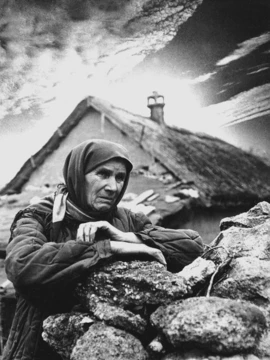
Grief counseling
Psychotherapy addressing emotional and cognitive responses to loss.
Grief counseling is a form of psychotherapy that helps people cope with the physical, emotional, social, spiritual, and cognitive responses to loss. While commonly associated with the death of a loved one, it may also address losses such as divorce, home foreclosure, or job loss. Counselors recognize that grief is expressed in personally unique ways shaped by family background, culture, life experiences, values, and beliefs.
Did You Know?
- Grief counseling sessions may include increasing an individual's personal and social resources to cope better with grief.
- The Grief Counseling Resource Guide from the New York State Office of Mental Health is an available online resource.
- In Christian contexts, faith-based grief support may involve a 'ministry of consolation' by clergy and trained lay volunteers.
Types of grief
Anticipatory grief refers to a sense of loss before the actual occurrence of loss, such as when a loved one has a terminal illness or when facing the imminent loss of a human function. Preparatory grief, a subtype of anticipatory grief, focuses on the perspective of the dying person. Normal grief is the natural experience of loss and emotions accompanying the death of a loved one, usually subsiding in intensity over time and often involving depressed mood, sleep disturbances, and crying. Complicated grief, also called prolonged grief, is grief that is prolonged and results in severe behavioral concerns such as suicidal ideation, addictions, risk-taking behavior, or symptoms of mental health concerns. Research indicates up to 10% of bereaved adults may experience prolonged grief. This type of grief may intensify over a long period, sometimes surfacing years later, and can unveil past traumas, phobias of death, or complicated emotions toward the deceased. There is no universal timeline for grieving, and complicated grief may require more in-depth counseling and psychotherapy.
Theories on the grief cycle
The most commonly acknowledged grief model is the Five Stages of Grief by Elizabeth Kübler-Ross, which posits that individuals tend to go through a cycle of denial, anger, bargaining, depression, and acceptance. Denial arises from shock and can manifest as numbness, nonchalance, or avoidance, serving as a survival instinct to pace emotional impact. Anger sets in as the reality of death is recognized, with individuals placing blame on others or themselves and possibly questioning their religion. Bargaining involves asking 'If Only' and 'What If' questions about what could have been. Depression involves sadness and hopelessness as the irreversibility of death is realized, though this depression refers to strong feelings rather than a mental disorder. Acceptance involves adjusting to life without the deceased, engaging in new activities or relationships, though it may not happen for some people. The stages are not always experienced in the exact order from denial to acceptance. In 1999, Joanne Jozefowski summarized five stages to rebuild a shattered life: impact, shock, denial, anxiety, fear, and panic.
Grief therapy
Grief counseling and grief therapy are not the same thing. Counseling helps people work through normal grief toward a healthy resolution. Therapy, a form of psychotherapy, is for severe or complicated traumatic grief reactions, often triggered by losing someone close or a community disaster. Its aim is to address psychological and emotional issues that show up as behavioral or physical changes, psychosomatic problems, delayed or extreme mourning, conflict, or sudden unexpected grief. Therapy can be done individually or in groups, and has been commonly used with parents of cancer patients. There is a debate among scholars about how effective grief therapy is and whether it can cause harm. Some researchers think people sometimes seek therapy when they do not have complicated grief, and this might turn a normal grieving process into a pathological one. Others believe therapy is very helpful for those with unusually long and complicated responses to loss. In 2007, an article in a psychology journal listed grief counseling and therapy as treatments that could harm clients, especially those with relatively normal bereavement reactions. That article was later criticized by a British psychological publication for lacking scientific rigor.
Trauma counseling
Sudden, violent, or unexpected loss or trauma imposes additional strains on coping, and when a community is affected by disaster, both the cost and sometimes the supports are greater. Weeping, painful feelings of sadness, anger, shock, guilt, helplessness, and outrage are not uncommon, especially for children who may have little experience managing strong affects. These feelings are part of a natural healing process that draws on the resilience of the person, family, and community. Research shows that resilience is ordinary rather than extraordinary, and most people who survive loss and trauma do not develop PTSD. However, some remain overwhelmed and trapped in their fight-or-flight state. Counseling for complex grief and trauma addresses not only complex post-traumatic stress disorder but also conditions of traumatic loss that are enduring or disabling, such as an adult periodically immobilized by intrusive recall of a parent's violent death in childhood. Because of the interconnectedness of trauma, PTSD, human development, resiliency, and integration of the self, an integrative approach using various skills and techniques is required. The post-traumatic self may not be the same person as before, and personality changes can cause intense shame, secondary shocks, and grief for the lost unaltered self. Counseling aims to maximize safety, trauma processing, and reintegration, regardless of the specific treatment approach.
More in Grief
Spotted an error? Know more?
Reader corrections go straight into our review queue. Suggest an edit · How this site is sourced