Gambling Hansel
A compulsive gambler receives three wishes from the Lord.
Last updated

via Wikipedia: Gambling Hansel · see source
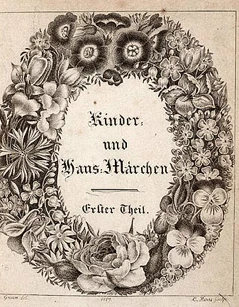
The Brothers Grimm included "Gambling Hansel" (German: De Spielhansl; KHM 82) in the 1812 first edition of their Children's and Household Tales. This German fairy tale shares motifs with Aarne–Thompson type 330A, known as The Smith's Three Wishes. Margaret Raine Hunt (1831–1912) translated the tale in 1884. The story follows a man who gambles away everything, then receives three wishes from the Lord after a night of testing.
Story
A man known only as Gambling Hansel gambled until he lost his house and all his possessions. The day before his creditors were to take his house, the Lord and Saint Peter asked him for shelter. Hansel said they could stay but could offer no bed or food. Saint Peter gave him three groschen to buy bread, but Hansel went to a house where other gamblers were gathered.
They persuaded him to play, and he lost the three groschen. The Lord and Saint Peter went to meet him, and Hansel pretended the money had fallen into the gutter. Saint Peter gave him another three groschen, and this time Hansel brought bread. The Lord asked for wine; Hansel claimed the casks were empty, but the Lord told him the best wine was still there.
Hansel went down and found it flowing. The next morning, the Lord granted him three wishes. Hansel asked for a pack of cards with which he would always win, dice with which he would always win, and a tree where every kind of fruit would grow and from which no one could descend unless he bade them. The Lord granted these wishes and departed with Saint Peter.
Analysis
The Brothers Grimm recorded two tales where characters try to outwit the Devil, Saint Peter, and God: Brother Lustig and Gambling Hansel. This story accounts for the many compulsive gamblers who ruin themselves financially and socially, because each carries a piece of the shattered Hansel within. It does not clarify why a God who knows the future would risk heaven by granting wishes to an addicted gambler, leading to his destruction, unless this relates to free will.
Did You Know?
- Gambling Hansel left Death stuck in a tree for seven years, during which time no one died.
- Hansel's soul broke into fragments that went into the gambling vagabonds living to this day.
More in German Fairy Tales
Sources
Compiled from Wikipedia and the sources listed below. Text from Wikipedia is available under CC BY-SA 4.0; this entry is adapted from it.
- Wikipedia: Gambling Hansel (CC BY-SA 4.0).
Spotted an error? Know more?
Reader corrections go straight into our review queue. Suggest an edit · How this site is sourced