Frequently Asked Questions
The most-asked questions about german cuisine.
What defines German cuisine as a whole?
German cuisine is a broad patchwork of regional cooking traditions built around hearty, seasonal ingredients such as pork, potatoes, root vegetables, and dense rye bread. Rather than a single national style, it is a mosaic of state-level specialties that shift noticeably from the coast to the Alpine south.
What are the most iconic dishes a newcomer should know?
Everyday staples include Bratwurst, Schnitzel, sauerkraut, and potato salad, while pretzels, Black Forest cake, and roast goose carry the broader fame. Regional standouts like Swabian Maultaschen, Bavarian white sausage, and Thuringian Rindfleisch add depth once you look past the national shorthand.
How important is bread in German food culture?
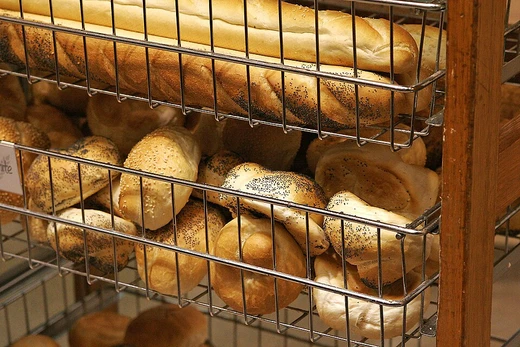
Bread is arguably the single most central element, with well over three thousand documented varieties ranging from dense, sour rye loaves to buttery morning Brötchen. UNESCO inscribed German bread culture on its intangible-heritage list in 2014, and most traditional meals still revolve around a good slice of it.
What is the Reinheitsgebot and why does it matter?
The 1516 Bavarian Beer Purity Law originally limited brewing ingredients to water, barley, and hops, with yeast acknowledged later once its role was understood. It shaped the identity of German beer and remains a cultural touchstone, though modern brewers are no longer legally bound to follow it.
Which regions are considered the main characters of German cuisine?
Bavaria (pretzels, white sausage, Alpine cheese), Swabia (Maultaschen, Spätzle), Thuringia (Bratwurst, Rindfleisch), and Saxony (hand pies, Eiersalat) are the most frequently cited. Franconia and the Rhineland also punch well above their weight with distinct local traditions.
Where should a complete beginner start exploring German food?
A practical first step is learning to make a basic Bratwurst with mustard and a warm pretzel, then moving to a simple Spätzle or potato salad. Picking one region—Bavaria is the most accessible—and working outward gives context before diving into more niche preparations.
What role does pork play in German cooking?
Pork is the dominant protein, appearing in everyday Bratwurst and Schnitzel as well as festive roast pork served with apple sauce. German per-capita pork consumption has historically been among the highest in Europe, making it a defining ingredient of the cuisine.
What are the most notable seasonal and holiday food traditions?
Christmas markets bring Lebkuchen, Glühwein, and roasted almonds, while the winter table centers on roast goose and potato dumplings. Summer is defined by outdoor grilling and beer-garden culture, and Easter adds decorated eggs and lamb to the mix.
How does German cuisine differ from its Austrian and Swiss neighbors?
The overlap is real—shared bread culture, similar sausage-making, and common root vegetables—but German cooking is more regionally fragmented and less unified than its neighbors. Austrian cuisine leans toward Viennese pastry and goulash, while Swiss cooking emphasizes cheese, fondue, and Alpine dairy.
Are there well-known chefs or figures associated with German food?
There is no single household-name chef the way France has, but the 1970s 'New German Cuisine' movement—chefs like Dieter Müller and the late Hans-Peter Haas—redefined what the tradition could be. In popular culture, TV host Tim Mälzer and generations of home-cookbook authors have shaped how ordinary Germans think about their own food.