Foreign body in alimentary tract
Foreign bodies often pass spontaneously but may require endoscopic removal.
Last updated
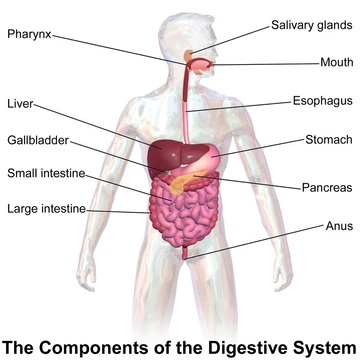
The alimentary tract is a common site for foreign bodies, which may enter through the mouth or the rectum. In children, coins are the most frequently swallowed objects, while adults more often experience esophageal food bolus obstruction from meat impaction. Swallowed items tend to lodge in the esophagus or stomach rather than the pharynx or duodenum.
Quick Facts
- Field
- Emergency medicine, gastroenterology
Facts from the source article.
Treatment
Most swallowed objects that have passed the pharynx will traverse the entire gastrointestinal tract without assistance. However, an object may become arrested, typically in the terminal ileum or rectum, or a sharp object may penetrate the bowel wall. Removal is indicated when the foreign body causes pain, vomiting, or bleeding. Swallowed batteries pose additional risks: mercury poisoning from mercury batteries and lead poisoning from lead batteries.
Although swallowed coins usually pass without incident, prolonged retention in the tract can lead to toxic compounds forming from the reaction of metals with gastric acid and digestive juices. Endoscopic retrieval is the first-line treatment for removal. Glucagon has been used to relax the lower esophageal sphincter and allow an esophageal foreign body to pass into the stomach, but evidence does not support a benefit from this treatment, and side effects may occur.
A self-administered study by six paediatric health-care professionals involved swallowing a Lego minifigure head; using a Stool Hardness and Transit (SHAT) score to normalize stool consistency, they obtained a Found and Retrieved Time (FART) score. The FART score ranged from 1.14 days to 3.04 days, with an average of 1.71 days. The study concluded that small objects like those swallowed by children are likely to pass in 1–3 days without complication.
Did You Know?
- For most objects, x-ray images from the front and side are taken to determine location and distinguish ingestion from aspiration.
- Objects made of plastic or wood may require visualization by ultrasound or CT scan.
More in Gastrointestinal Tract Disorders
Sources
Compiled from Wikipedia and the sources listed below. Text from Wikipedia is available under CC BY-SA 4.0; this entry is adapted from it.
- Wikipedia: Foreign body in alimentary tract (CC BY-SA 4.0).
- Word definitions: the , each quoted from its Wikipedia article.
Spotted an error? Know more?
Reader corrections go straight into our review queue. Suggest an edit · How this site is sourced