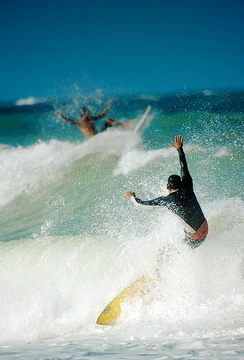
Recreation
Recreation is essential leisure activity for human well-being.

Recreation is a leisure activity, with leisure being time free from obligations. The human need to engage in recreation is a fundamental part of biology and psychology. People typically do these activities for enjoyment, amusement, or pleasure—in short, for fun.
The word "recreation" first appeared in English during the late 1300s. Its original meaning was "refreshment or curing of a sick person," and it comes from Latin, combining *re* ("again") and *creare* ("to create, bring forth, beget").
People divide their time among daily living, work, sleep, social duties, and leisure. Leisure is time free from prior commitments to physical or social needs, and it is a necessary condition for recreation. For many, leisure has increased thanks to longer lifespans and fewer hours spent on basic survival, though some argue that modern life creates more time pressure from too many tasks. Other factors boosting recreation's role include greater wealth, population trends, and the growing commercialization of recreational options. One view sees leisure as simply spare time not taken up by necessities. Another holds that leisure lets people reflect on values and realities missed in daily life, making it essential for personal growth and civilization. This line of thought even suggests that leisure is the purpose of work and a reward in itself, and that a nation's "leisure life" reflects its values and character. The Universal Declaration of Human Rights recognizes leisure as a human right.
Recreation is hard to separate from play, which is the usual term for children's recreational activity. Children often playfully imitate adult life. Some propose that play and recreation channel excess energy into socially acceptable outlets that satisfy both individual and societal needs without compulsion, providing pleasure. A traditional view holds that recreation "recharges the battery" to improve work performance. Work is usually done out of economic necessity and is organized within the economy, but it can also be pleasurable or self-imposed, blurring the line with recreation. Many entertainment activities are work for one person and recreation for another. Over time, a recreational activity can become work, or vice versa—a musician might play an instrument as a profession at one time and as recreation at another. Similarly, education and recreation can overlap, as in recreational mathematics.
Recreation offers many health benefits, which is why Therapeutic Recreation was developed. The National Council for Therapeutic Recreation Certification (NCTRC) is the recognized credentialing body for this profession; its certified professionals are called "Certified Therapeutic Recreation Specialists." The U.S. Department of Labor's Occupation Outlook lists the job title "Recreation Therapist." This therapy is used in rehabilitation, psychiatric facilities for youth and adults, and in caring for the elderly, disabled people, or those with chronic diseases. Recreational physical activity helps reduce obesity and the risk of osteoporosis and certain cancers—most notably colon and prostate cancer in men, and breast cancer in women. However, not all cancers are reduced; outdoor recreation is linked to a higher risk of melanoma. Extreme adventure recreation naturally carries its own hazards.
Recreation is essential to human life and takes many forms, shaped by individual interests and social context. Activities can be communal or solitary, active or passive, indoors or outdoors, healthy or harmful, and useful or detrimental to society. Some, like gambling, recreational drug use, or delinquent acts, may break societal norms and laws. The list of possible activities is nearly endless.
A major category of recreation is hobbies—regular activities done for pleasure, typically during leisure time, not professionally or for pay. Hobbies include collecting themed items, creative and artistic pursuits, sports, and other amusements. They encourage developing substantial skills and knowledge. Hobby lists change with new interests and fashions, making them diverse and lengthy. Hobbies follow societal trends: stamp collecting was popular in the 19th and 20th centuries when postal systems were the main means of communication, while video games are more popular now due to technological advances. The production and technology advances of the 19th century gave workers more leisure time for hobbies, and the effort people invest in hobbies has increased over time.
Bricolage and DIY refer to building, modifying, or repairing things without direct help from experts or professionals. Academic research describes DIY as behaviors where individuals...
- field
- Leisure studies, psychology, sociology
- known_for
- Essential element of human biology and psychology; recognized as a human right under the Universal Declaration of Human Rights
- etymology
- Late 14th century English, from Latin 'recreare' (to create again)
- prerequisite
- Leisure time free from physiologic or social needs
Lore & Background
Recreation is difficult to separate from the general concept of play, which is usually the term for children's recreational activity. Children may playfully imitate activities that reflect the realities of adult life. It has been proposed that play or recreational activities are outlets of or expression of excess energy, channeling it into socially acceptable activities that fulfill individual as well as societal needs, without need for compulsion, and providing satisfaction and pleasure for the participant. A traditional view holds that work is supported by recreation, recreation being useful to 'recharge the battery' so that work performance is improved.
Reader's Guide
Recreation has many health benefits, and, accordingly, Therapeutic Recreation has been developed to take advantage of this effect. The National Council for Therapeutic Recreation Certification (NCTRC) is the nationally recognized credentialing organization for the profession of Therapeutic Recreation. Professionals in the field of Therapeutic Recreation who are certified by the NCTRC are called 'Certified Therapeutic Recreation Specialists'. The job title 'Recreation Therapist' is identified in the U.S. Dept of Labor's Occupation Outlook. Such therapy is applied in rehabilitation, psychiatric facilities for youth and adults, and in the care of the elderly, disabled people, or people with chronic diseases. Recreational physical activity is important to reduce obesity, and the risk of osteoporosis and of cancer, most significantly in men that of colon and prostate, and in women that of the breast; however, not all malignancies are reduced as outdoor recreation has been linked to a higher risk of melanoma. Extreme adventure recreation naturally carries its own hazards. Leisure is a human right under the Universal Declaration of Human Rights.
Did You Know?
- The term recreation first appeared in English in the late 14th century, meaning 'refreshment or curing of a sick person'.
- Leisure is recognized as a human right under the Universal Declaration of Human Rights.
- Recreational physical activity is important to reduce obesity and the risk of osteoporosis and certain cancers, though outdoor recreation has been linked to a higher risk of melanoma.
- The National Council for Therapeutic Recreation Certification (NCTRC) credentials professionals as 'Certified Therapeutic Recreation Specialists'.
Frequently Asked Questions
What is recreation in the context of games and leisure?
Recreation refers to any leisure activity people pursue during their discretionary time, usually to feel enjoyment, amusement, or simple pleasure. It is widely regarded as a fundamental component of human biology and psychology rather than a mere luxury.
Where does the word 'recreation' come from?
The term first appeared in English around the late 1300s, initially describing the act of refreshing or healing a sick person. It traces back to the Latin 'recreare,' blending 're' (again) with 'creare' (to create or bring forth).
Is recreation officially recognized as a human right?
Yes. The Universal Declaration of Human Rights explicitly acknowledges recreation as a right belonging to every person, reflecting its essential role in overall human well-being.
Which academic disciplines study recreation?
Recreation is examined primarily through leisure studies, psychology, and sociology. Together these fields explore how recreational pursuits shape behavior, mental health, and social interaction.
What must be in place before an activity counts as recreation?
The key prerequisite is having leisure time that is genuinely free from physiological demands and social obligations. Without that unpressured window of discretionary time, the activity does not qualify as true recreation.
More in Games And Recreation 1-24
Spotted an error? Know more?
This is a living reference — every entry is fact-audited, and reader corrections feed straight into our audit queue. Suggest an edit · See this site's audit record