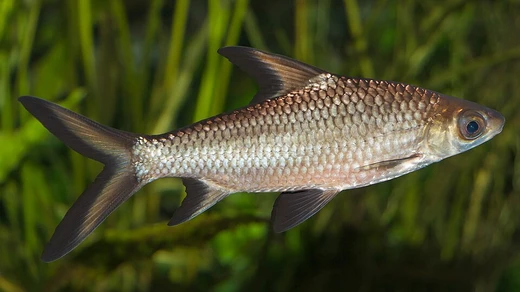
Barracuda
Large, predatory, ray-finned, saltwater fish of the genus Sphyraena.

Barracudas are large, predatory, ray-finned, saltwater fish belonging to the genus *Sphyraena*, which is the sole genus within the family Sphyraenidae, a taxonomic grouping established by Constantine Samuel Rafinesque in 1815. These fish inhabit tropical and subtropical oceans across the globe, with a range that extends from the eastern Atlantic Ocean to the Red Sea, the Caribbean Sea on the western side, and tropical regions of the Pacific Ocean. They typically dwell near the water's surface, often in proximity to coral reefs and seagrass beds, and are a popular target for sport-fishing enthusiasts. The common name "barracuda" comes from Spanish, with the original term possibly having Cariban roots. In appearance, barracudas are snake-like, featuring prominent, sharp-edged, fang-like teeth of varying sizes set into the sockets of their large jaws, reminiscent of piranhas. They bear a strong resemblance to pike, though the two are not related. Their large, pointed heads often exhibit an underbite. The gill covers lack spines and are covered with small scales. Two widely separated dorsal fins are present: the anterior fin has five spines, while the posterior fin has one spine and nine soft rays. This posterior dorsal fin is similar in size to the anal fin and sits directly above it. A prominent lateral line runs straight from head to tail. The spinous dorsal fin, normally retracted into a groove, is positioned above the pelvic fins. The caudal fin is moderately forked with a double-curved posterior edge and is attached to a stout peduncle. Pectoral fins are set low on the body. A large swim bladder allows the fish to conserve energy while cruising or remaining still. Most barracudas are dark gray, dark green, white, or blue on the upper body, with silvery sides and a chalky-white belly, though coloration varies by species. Some species display irregular black spots or a row of darker cross-bars on each side, and their fins may be yellowish or dusky. While primarily marine, certain species, such as the great barracuda, can inhabit brackish water. Some species grow quite large, reaching up to 165 centimeters in length. The genus *Sphyraena* contains 26 extant species, along with numerous fossil species, the earliest known being *Sphyraena bolcensis*.
- Scientific name
- Sphyraena
- Family
- Sphyraenidae
- Habitat
- Tropical and subtropical oceans worldwide
- Maximum speed
- Up to 27 mph (43 km/h)
- Number of species
- 26
Verified Timeline
Lore & Background
The common name "barracuda" is derived from Spanish, with the original word being of possibly Cariban origin. Barracudas are snake-like in appearance, with prominent, sharp-edged, fang-like teeth, much like piranha, all of different sizes, set in sockets of their large jaws. They carry a striking resemblance to pike, although they are not related. They have large, pointed heads with an underbite in many species. Their gill covers have no spines and are covered with small scales. Their two dorsal fins are widely separated, with the anterior fin having five spines, and the posterior fin having one spine and nine soft rays. The posterior dorsal fin is similar in size to the anal fin and is situated above it. The lateral line is prominent and extends straight from head to tail. The spinous dorsal fin is placed above the pelvic fins and is normally retracted in a groove. The caudal fin is moderately forked with its posterior edge double-curved and is set at the end of a stout peduncle. The pectoral fins are placed low on the sides. The swim bladder is large, allowing for minimal energy expenditure while cruising or remaining idle. In most cases, barracudas are dark gray, dark green, white, or blue on the upper body, with silvery sides and a chalky-white belly. Coloration varies somewhat between species. For some species, irregular black spots or a row of darker cross-bars occur on each side. Their fins may be yellowish or dusky. Barracudas live primarily in oceans, but certain species, such as the great barracuda, live in brackish water. Some species grow quite large (up to 65 inches or 165 cm in length), such as Sphyraena sphyraena, found in the Mediterranean Sea and eastern Atlantic; Sphyraena picudilla, ranging on the Atlantic coast of tropical America from North Carolina to Brazil and reaching Bermuda. Other barracuda species are found around the world, including Sphyraena argentea, found from Puget Sound southwards to Cabo San Lucas, and Sphyraena jello, from the seas of India and the Malay Peninsula and Archipelago.
Reader's Guide
Barracudas are ferocious, opportunistic predators, relying on surprise and short bursts of speed, up to 27 mph (43 km/h), to overtake their prey. Adults of most species are more or less solitary, while young and half-grown fish frequently congregate. Barracudas prey primarily on fish (which may include some as large as themselves). Common prey fish include jacks, grunts, groupers, snappers, small tunas, mullets, killifishes, herrings, and anchovies; often by simply biting them in half. They kill and consume larger prey by tearing chunks out of their prey. They also seem to consume smaller species of sustenance that are in front of them. Barracuda species are often seen competing against mackerel, needle fish and sometimes even dolphins for prey. Barracudas are usually found swimming in saltwater searching for schools of plankton-feeding fish. Their silver and elongated bodies make them difficult for prey to detect, especially when viewed head-on. Barracudas depend heavily on their eyesight when they are out hunting. When hunting, they tend to notice everything that has an unusual colour, reflection, or movement. Once a barracuda targets an intended prey item, its long tail and matching anal and dorsal fins enable it to move with swift bursts of speed to attack its prey before it can escape. Barracudas generally attack schools of fish, speeding at them head first and biting at them with their jaws. When barracudas age, they tend to swim alone. However, there are times when they tend to stay with the pack. Barracudas will sometimes swim in groups. In this case, they can relocate schools of fish into compact areas or lead them into shallow water to more easily feed on them. Some species of barracuda are reputed to be dangerous to swimmers. Barracudas are scavengers, and may mistake snorkelers for large predators, following them hoping to eat the remains of their prey. Swimmers have reported being bitten by barracudas, but such incidents are rare and possibly caused by poor visibility. Large barracudas can be encountered in muddy shallows on rare occasion. Barracudas may mistake things that glint and shine, like jewelry, for prey. One incident reported a barracuda jumping out of water and injuring a kayaker, but Jason Schratwieser, conservation director of the International Game Fish Association, said that the wound could have been caused by a houndfish. Fatalities are nevertheless rare. Deaths have been reported in 1947 in Florida, 1957 in North Carolina and 1960 in Florida, again. Barracudas are popular both as food and game fish. They are most often eaten as fillets or steaks. Larger species, such as the great barracuda, have been implicated in cases of ciguatera fish poisoning. Those who have been diagnosed with this type of food poisoning display symptoms of gastrointestinal discomfort, limb weakness, and an inability to differentiate hot from cold effectively. West Africans smoke them for use in soups and sauces. Smoking protects the soft flesh from disintegrating in the broth and gives it a smoky flavour. In Thai cuisine, barracuda meat is often used in curry sauce for khanom chin (Thai fermented rice noodles) or steamed in banana-leaf parcels as hor mok. In Chinese cuisine, it is commonly prepared by steaming.
Did You Know?
- The genus Sphyraena was named by Constantine Samuel Rafinesque in 1815.
- Barracudas can reach speeds up to 27 mph (43 km/h) in short bursts.
- The great barracuda has been implicated in cases of ciguatera fish poisoning, causing symptoms like gastrointestinal discomfort and inability to differentiate hot from cold.
- Barracudas have a large swim bladder that allows minimal energy expenditure while cruising or remaining idle.
- Fatal barracuda attacks on humans are rare, with reported deaths in 1947 in Florida, 1957 in North Carolina, and 1960 in Florida.
Frequently Asked Questions
What is a Barracuda?
Barracudas are large, predatory saltwater fish belonging to the genus Sphyraena in the family Sphyraenidae. There are 26 recognized species across the group.
Where do Barracudas live?
They inhabit tropical and subtropical waters worldwide, including the Caribbean, the Red Sea, and the eastern Atlantic. They typically hang near the surface around coral reefs and seagrass beds.
How fast can a Barracuda swim?
These fish can reach top speeds of roughly 27 miles per hour (about 43 km/h), making them one of the quicker open-ocean hunters.
Why do sport fishers target Barracudas?
Their aggressive strikes and high speed make them a thrilling catch for recreational anglers. They are among the most commonly pursued species in tropical waters.
How many species of Barracuda exist?
Scientists recognize 26 distinct species across the genus Sphyraena. They span a wide range of tropical and subtropical oceans, from the eastern Atlantic through to the Pacific.
More in Fish 1-24
Spotted an error? Know more?
This is a living reference — every entry is fact-audited, and reader corrections feed straight into our audit queue. Suggest an edit · See this site's audit record