Black fatigue
Term for exhaustion from systemic racism, later redefined.
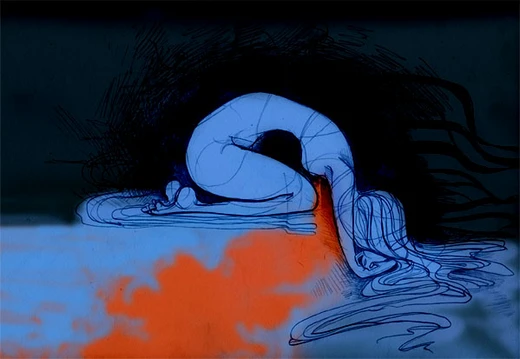
Black fatigue is an American expression that describes psychological and physical issues experienced by Black people in the United States due to factors such as systemic racism. The term was coined by writer Mary Frances Winters in 2020 with a neutral tone. In the mid-2020s, it was appropriated by Americans of various backgrounds and redefined as a sense of fatigue when interacting with Black individuals.
Quick Facts
- Coined by
- Mary Frances Winters
- Year coined
- 2020
- Original tone
- Neutral
- Year of redefinition
- mid-2020s
Facts from the source article.
Definition
Black fatigue is a term introduced by writer and DEI expert Mary Frances Winters in her 2020 book. She defines it as a generational stressor that causes physical, mental, and spiritual exhaustion in Black people. Winters attributes this fatigue to the feeling of not being heard by white people and the lack of racial progress in the United States. Racism is the root cause, and it can lead to mental health conditions like PTSD, depression, and anxiety. Winters describes it as the chronic exhaustion African Americans face from systemic racism, specifically "the multifaceted physical and psychological damage wrought by simply living, day by day, in a racist society." She notes that the issue is complex and not easily fixed. To address it, she recommends acknowledging the emotional toll racism takes on Black people and being careful to avoid microaggressions. A MetroHealth Medical Center expert adds that Black fatigue also includes the psychological toll from witnessing police killings of Black community members.
Other uses
Some communities, particularly followers of the MAGA movement, co-opted and informally redefined "Black fatigue" starting in April 2025 after the murder of Austin Metcalf, a White high school student, by Karmelo Anthony. The alt-right began using the new definition on platforms like Instagram, Twitter, and TikTok, often in comments sections. By October 2025, the redefined term was growing on social media, and its original meaning had largely been lost. The new interpretation describes White people feeling fatigue during interactions with Black people. It gained recognition after a viral TikTok video in which a female influencer criticized Black people's behavior, saying "Black fatigue is real" and expressing being fed up with what she called "ghetto ratchet behavior" and "victimhood." The video sparked controversy, and the woman later deleted it due to backlash. Rachel Stovall noted a surge in 2025 of internet users complaining about Black people in comments on videos of violent or antisocial behavior, accompanying their comments with the term.
Reactions and analysis
Mary Frances Winters told Rolling Stone she was "devastated" by the co-option of the term by right-wing groups but said it would not stop her campaigning for African Americans. Zari Taylor, an internet culture expert at New York University, described the co-option as part of a tactic that ridicules social justice phrases and eventually redefines them. Stacey Patton of NewsOne called White people who stole Black fatigue "criminals and failures" and labeled the social media usage "ideological warfare" and "racist rot." Nathan Abraha of ByBlacks.com urged Black people to protect the term's meaning, calling it a "lived reality" beyond a "buzzword." Some popular Black podcasters and influencers also changed the meaning, saying they are tired of hearing about social injustice rather than experiencing it; Black Westchester stated they did so to make White viewers "more comfortable." The San Antonio Observer described the co-opting as "flipping the script." Yellowhammer News podcast host Dale Jackson said those who co-opted the term are tired of Black people's bad behavior, not Black people generally. Up and Coming Weekly said the definition had "evolved" to mean emotional exhaustion of Black and White conservatives from facing accusations of racism and from crimes in Black communities.
More in Fatigue
Spotted an error? Know more?
Reader corrections go straight into our review queue. Suggest an edit · How this site is sourced