Hatshepsut
Second confirmed female pharaoh who ruled during a period of prosperity.
Last updated

Holger Uwe Schmitt · CC BY-SA 4.0
Hatshepsut (c. She was the Great Royal Wife of Pharaoh Thutmose II and Egypt's second confirmed woman to rule in her own right, after Sobekneferu. Her reign was a period of great prosperity and general peace, and she was one of the most prolific builders in Ancient Egypt.
Lore & Background
Hatshepsut was the eldest daughter of Thutmose I and his Great Royal Wife Ahmose. After her father's death, she married her half-brother Thutmose II at age fourteen or fifteen.
They had at least one daughter, Princess Neferure. Upon Thutmose II's death, the underage Thutmose III became pharaoh, and Hatshepsut initially served as regent. By Year 7 of his reign (c. To establish herself in the Egyptian patriarchy, she was depicted as a male pharaoh with masculine traits and male garb, emphasizing both male and female qualities to convey she was both mother and father to the realm.
Reader's Guide
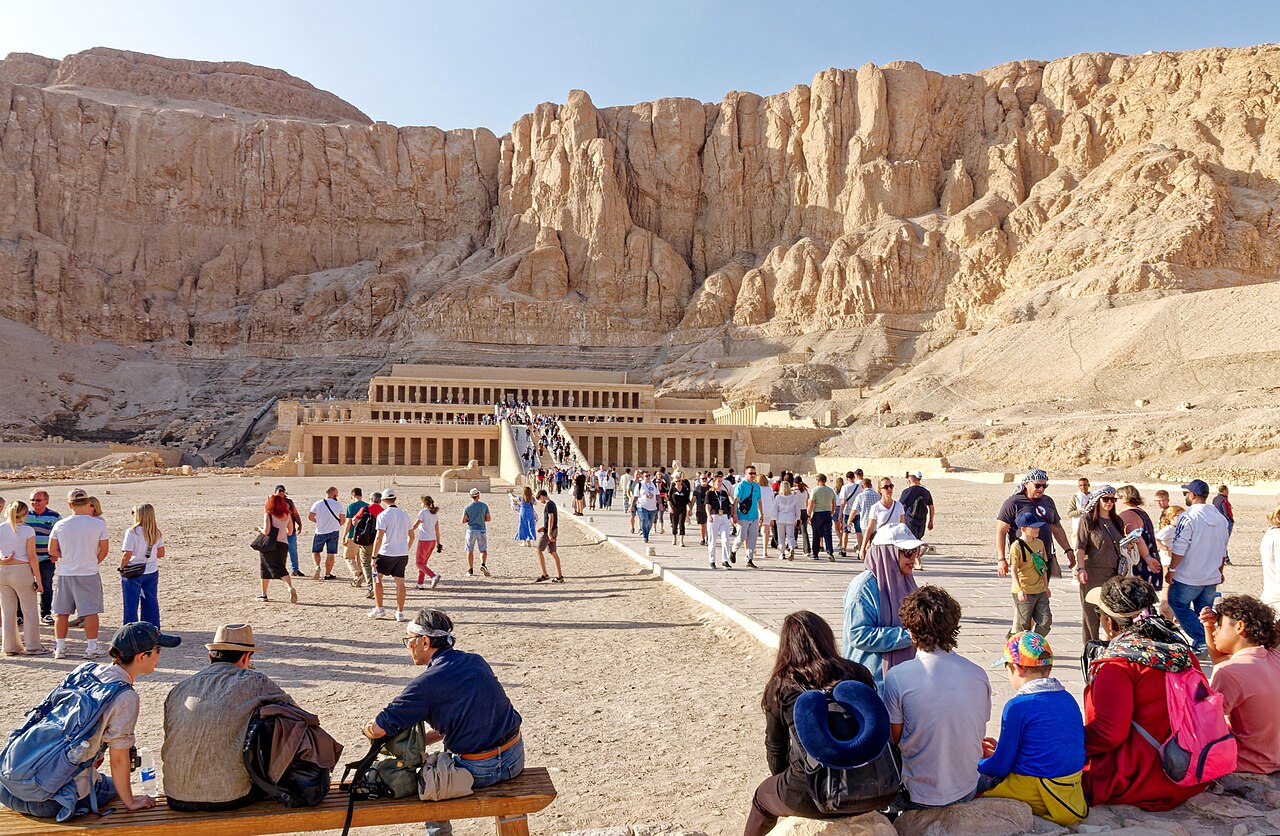
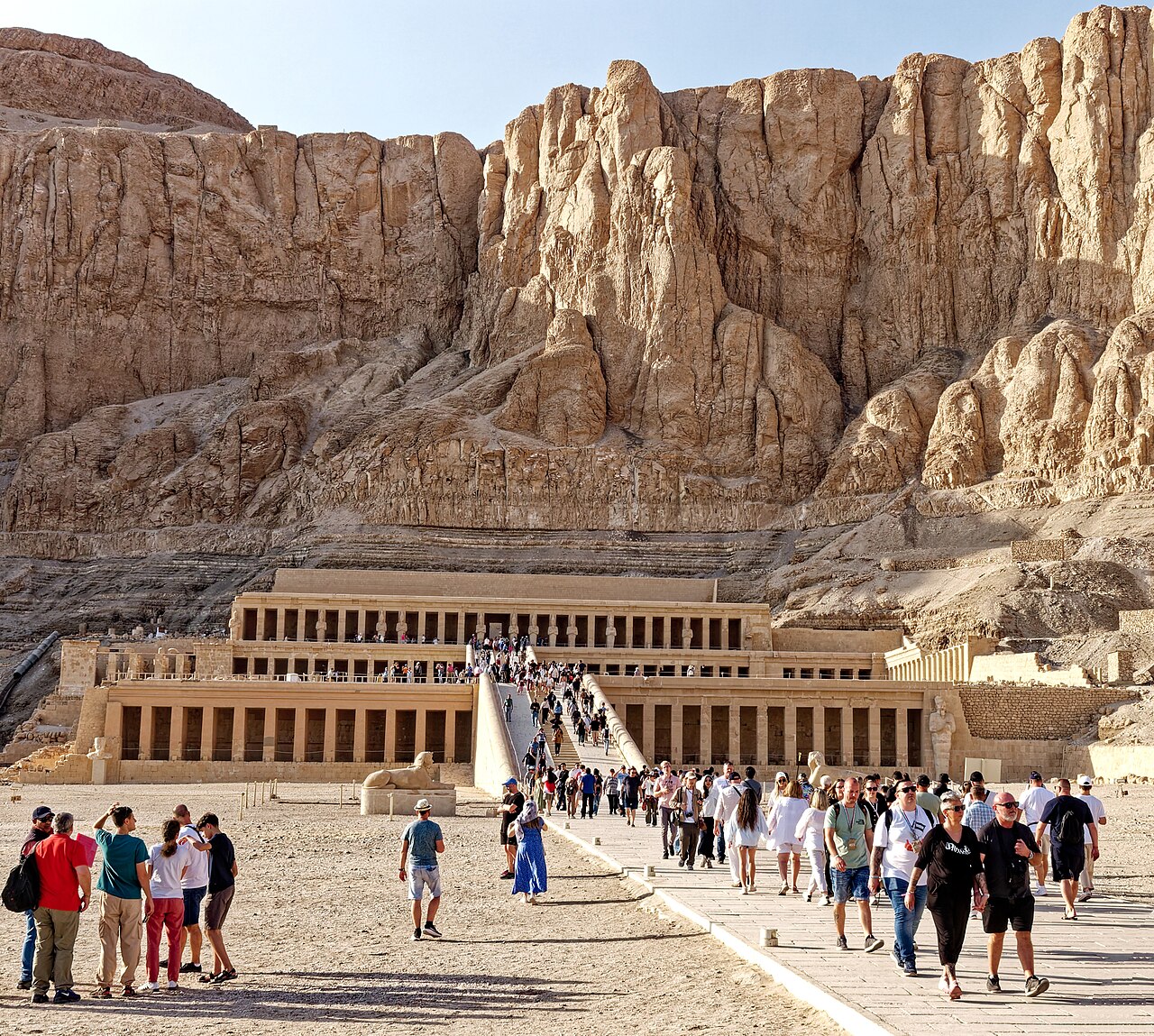
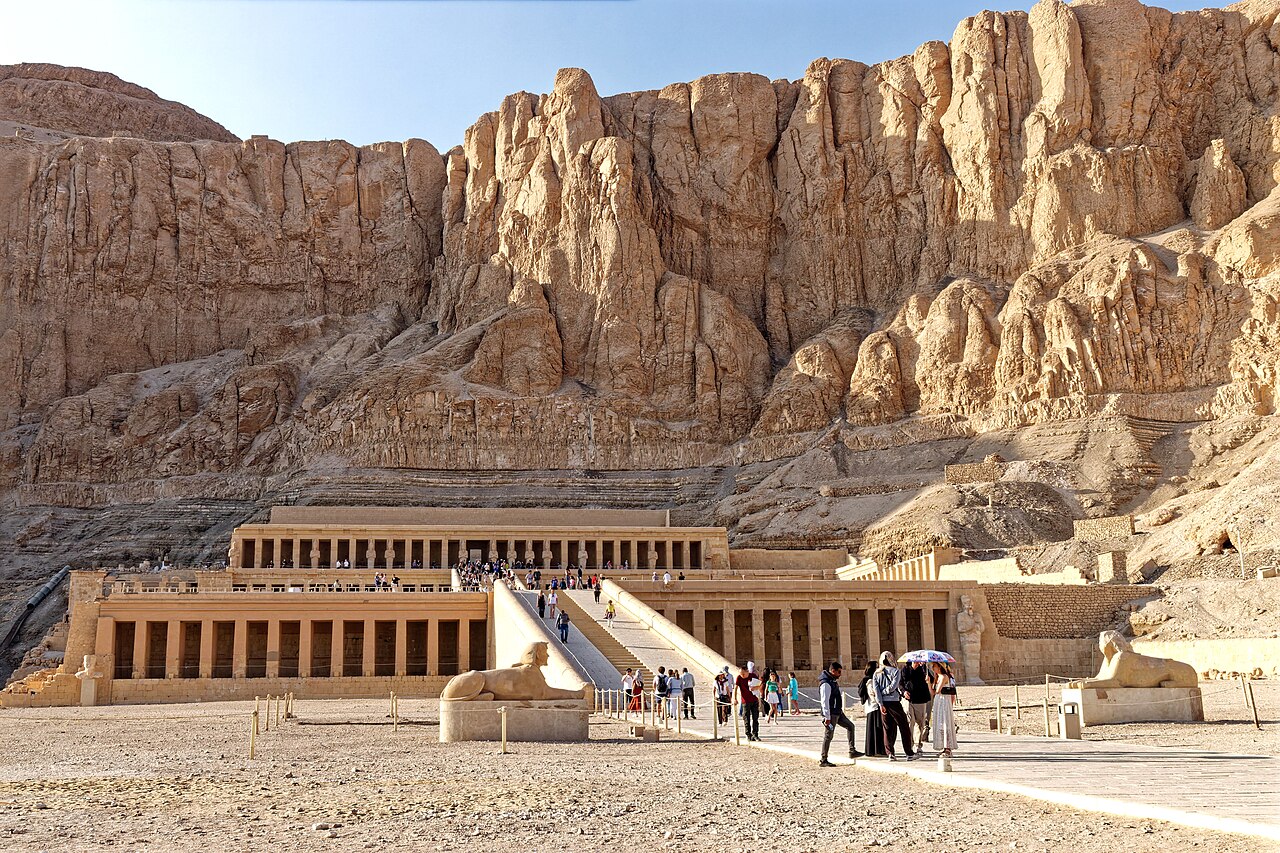
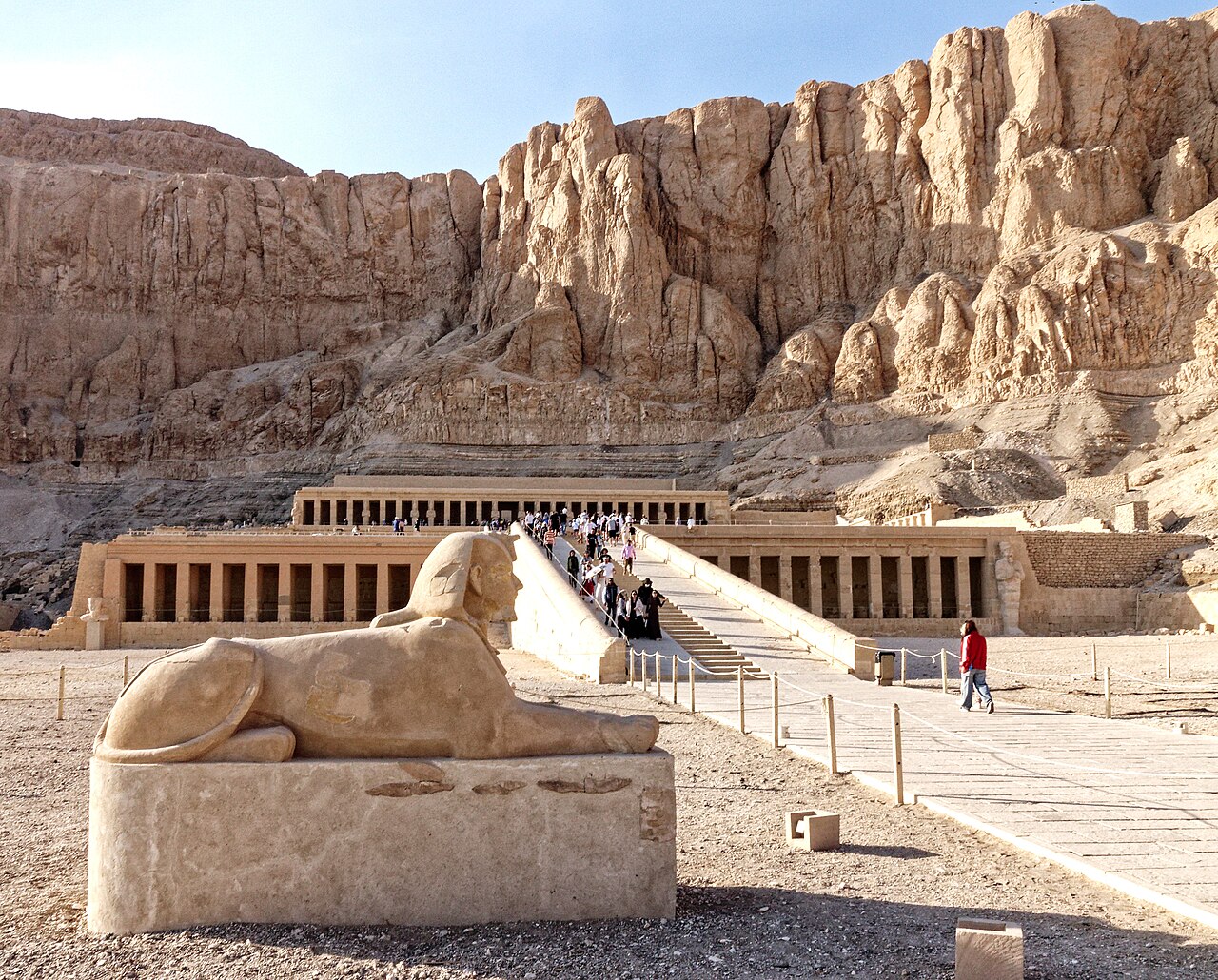
Hatshepsut's significance lies in her successful reign as a female pharaoh in a patriarchal society, during a time of peace and prosperity. She re-established trade networks disrupted by the Hyksos, notably sending an expedition to the Land of Punt that returned with myrrh trees and frankincense. As one of the most prolific builders in Ancient Egypt, she commissioned hundreds of projects, including the Karnak Temple Complex, the Red Chapel, the Speos Artemidos, and the Mortuary Temple of Hatshepsut at Deir el-Bahari.
She erected twin obelisks at Karnak, the tallest in the world at the time, and later ordered two more, one of which broke and remains as the Unfinished Obelisk. Her legacy was challenged after her death: toward the end of Thutmose III's reign and into that of Amenhotep II, her statues were destroyed, monuments defaced, and achievements ascribed to other pharaohs. Despite this, she is remembered as a powerful ruler who expanded trade and built extensively.
More in Explorers & Pioneers
Sources
Compiled from Wikipedia and the sources listed below. Text from Wikipedia is available under CC BY-SA 4.0; this entry is adapted from it.
- Wikipedia: Hatshepsut (CC BY-SA 4.0).
Spotted an error? Know more?
Reader corrections go straight into our review queue. Suggest an edit · How this site is sourced