Russian martial arts
Russian martial arts blend folk traditions with modern combat systems.
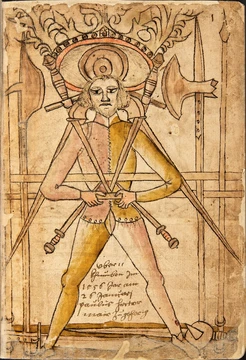
Russian martial arts encompass a range of styles and schools originating in Russia, with traditional fist fighting dating back to the 1st millennium AD. After being outlawed in the Russian Empire in 1832, these arts saw a resurgence following the dissolution of the Soviet Union. During the Soviet era, the government developed military hand-to-hand combat systems and combat sports, notably sambo, and later ethnographic study revived interest in folk styles.
Quick Facts
- Earliest known date
- 1st millennium AD
- Traditional fist fighting outlawed
- 1832
- Sambo development began
- early 1920s
Facts from the source article.
Did You Know?
- Russian fist fighting (Kulachniy boy) is traditional bare-knuckle boxing with earliest accounts dating to the 13th century.
- Systema (Система, meaning 'The System') includes training in hand-to-hand combat, grappling, knife fighting, and firearms training, without set kata.
- ARB (Armeyskiy Rukopashniy Boy, 'Army Hand-to-Hand Combat') incorporates functional elements from individual hand-to-hand combat and martial arts worldwide.
Sambo
Sambo (са́мбо) is a Russian martial art and combat sport whose name is an acronym for SAMozashchita Bez Oruzhiya, meaning 'self-defense without weapons'. Its development began in the early 1920s by the Soviet Red Army to improve hand-to-hand combat, merging techniques from Japanese judo, international wrestling styles, and traditional folk wrestling such as Armenian kokh, Georgian chidaoba, Romanian trântă, Tatar köräş, Uzbek kurash, Mongolian khapsagay, and Azerbaijani gulesh. The pioneers were Viktor Spiridonov and Vasili Oshchepkov; Oshchepkov died in prison during the 1937 political purges after accusations of being a Japanese spy, having trained in judo under its founder Kano Jigoro. Their two independent styles cross-pollinated into what is now sambo. Anatoly Kharlampiev, a student of Oshchepkov, is often considered the founder of sport sambo, which was recognized as an official sport by the USSR All-Union Sports Committee in 1938.
More in European Martial Arts
Spotted an error? Know more?
Reader corrections go straight into our review queue. Suggest an edit · How this site is sourced