Mining in ancient Rome
Roman mining combined hydraulic and shaft techniques with slave labor.
Mining in ancient Rome employed hydraulic mining and shaft mining techniques, along with equipment such as the Archimedes screw, to extract materials used for pipes and construction. Quarries utilized trial trenching and tools like wedges to break rock, with transport aided by cairns and slipways. The workforce consisted largely of slaves and lower-class individuals, who endured dangerous and inhumane conditions that often led to accidents and suicidal ideation.
Quick Facts
- Shaft dimensions
- 3-6 sqft
- Distance from iulia livica
- six miles
Facts from the source article.
Technology
The Romans used hushing, a hydraulic mining method that employed water to erode rock. Water was funneled through holes into the area, supplied via aqueducts and stored in a tank that flooded the area when opened. Fire was then used to heat the rock, which was quenched with water to crack it through thermal shock. Ground sluicing, using tunneling or excavation equipment to mine stream beds, was also practiced; an example has been excavated from a site on the Segre River, six miles from the Roman city of Iulia Livica in the Pyrenees. Shaft sinking was the most dangerous and difficult form of mining, used only for the most valuable metals due to its high cost. This technique involved digging tunnels underground, with access provided by shafts usually around 3-6 sqft and lined with wood, which also served for ventilation. Roman mines were notorious for poor ventilation, with poisonous gases and noxious air common, especially in silver mines. Underground mining required tunnels and shafts, but water had to be extracted first through hand lifting or devices such as the Archimedes screw or water wheel. Adits served as entrances and provided drainage and ventilation. Stoping was used to dig out all ore, leaving an open space. After extraction, trip hammers powered by water crushed the ore, and mercury separated gold from surrounding materials. Baskets collected the ore for transport to processing areas. Surface mining was used when rock embedded in the surface was visible; panning was employed where streams had eroded rock, useful for finding pure gold and ore veins. Strip mining removed exposed ore from hills, using water to remove soil and material.
Materials and usage
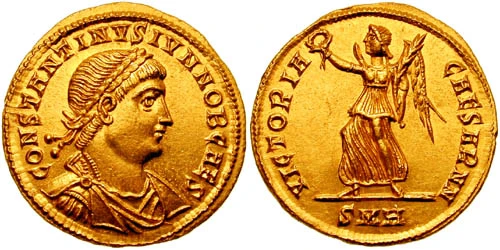
Roman mines supplied the empire with its currency, and coin production correlated with increased lead output. During stable periods with high coin production, lead production was high; during crises such as the fall of the Roman Republic, coin and lead production decreased. Lead was used for water pipes and bullae, contributing to high rates of lead poisoning. Metals were used as medicine for sarcomas, rashes, and leprosy, and as a deodorant. Alumen, a liquid substance, bound dyes to fabrics for painting and was applied by surgeons to wounds to dry tissues and aid healing. Aluminum mixed with water created cement. Most stone was produced locally due to high transport costs; Roman quarries produced red and black tufa, as well as white or soft stone, used in construction.
Types
Roman quarries were usually built near seas or rivers. After finding a suitable site, rock was withered away through trial trenching. A line of holes was chiseled into the rock surface, and wedges were inserted to pull the rock apart. Workers then shaped the area with stone blocks. Stone cairns supplied material for slipway ramps, used to access the quarry and carry out material; cranes may have also been used. Work animals such as camels, donkeys, wagons, or ships assisted. Workers may have slept and lived in huts placed by quarries; one quarry had a village of 16 huts, 15 arranged in a circle. Another quarry used an L-shaped building with many rooms and five multi-room sections, likely serving as a dining and social area. Some quarries had watchtowers for long-distance communication or overseeing prisoner labor. At the quarry at Wadi Abu Ma'amel, forts, temples, baths, and cemeteries were present; slipway routes ended in a flat pedestal, and chippings of black porphyry covered the loading ramp. Mines gathered unprocessed metal for smelting, used for crafts, construction, weapons, tools, and currency. Only low-status individuals or slaves worked in mines due to danger; the punishment damnatio ad metalla condemned slaves and criminals to mine work, with conditions so miserable that many wished to die. Child slaves were common, considered useful for crawling through narrow spaces.
Administration
During the Roman Empire, mines and quarries were organized into districts governed by the lex metallis dicta, which set rules and punishments. Slaves who stole ore were flogged and banned from further work; freedmen had their property confiscated and lost the privilege of working. Sabotage led to banishment for both groups. The lex metalli vispascensis allowed for fee collection and gave certain groups the ability to monopolize their industry. Toll stations may have been placed around mining sites to mark borders, collect fines, and manage traffic and trade.
More in Economy of Ancient Rome
Spotted an error? Know more?
Reader corrections go straight into our review queue. Suggest an edit · How this site is sourced