
Bangor Blue Ox
Independent minor league team in Bangor, Maine, 1996–1997.

Peterpaulchase · CC BY-SA 4.0
The Bangor Blue Ox were a minor league baseball team based in Bangor, Maine, that played in the Northeast League from 1996 to 1997. The Northeast League later merged with the Northern League to form the Can-Am League in 2005. As an independent league team with no Major League Baseball affiliation, the Blue Ox played their home games at Mahaney Diamond on the University of Maine campus in Orono. The team was part of the Northeast League's expansion into New England and was intended to encourage the city of Bangor to build a new ballpark, a goal that was never realized.
Quick Facts
- Firstseason
- 1996
- Lastseason
- 1997
- City
- Orono, Maine
- Ballpark
- Larry Mahaney Diamond
- Class Level
- Independent (1996–1997)
- League
- Northeast League (1996–1997)
- Nickname
- Bangor Blue Ox (1996–1997)
- Leaguechamps
- none
Facts from the source article.
Lore & Background
The Bangor Blue Ox were established in 1996 when the Northeast League expanded into New England, adding teams in West Warwick, Rhode Island, and Bangor—a city that had not hosted professional baseball in over 80 years. The team played its home games at Mahaney Diamond on the University of Maine campus, a college facility not designed for permanent minor league use. The Blue Ox hoped that their presence would spur construction of a new ballpark in Bangor, but that never materialized.
In their inaugural season, the Blue Ox finished second in the Northern Division with a 46–33 record, led by former Major Leaguer Oil Can Boyd, who went 10–0 with a 3.22 ERA in a comeback attempt. Boyd also pitched for the Blue Ox in 1997. Despite on-field success, attendance was low—35,652 fans in 1996 (about 900 per game) and 35,591 in 1997, both next-to-last in the league. The team also featured other former Major Leaguers, including pitcher Mike Smith in 1996 and Fernando Ramsey, Bob Zupcic, Joe Grahe, and George Tsamis in 1997.
After the 1997 season, with no new stadium forthcoming, the team was sold and moved to Quebec City for the 1998 season, where the franchise continues as the Quebec Capitales (also known as the Quebec City Capitales). The Blue Ox were managed in 1996 by Dick Phillips, a former Major League infielder/outfielder, and in 1997 by Roger LaFrancois, a former catcher/first baseman who had appeared in eight games for the Boston Red Sox in 1982.
Reader's Guide
The Bangor Blue Ox represent a brief but notable chapter in independent minor league baseball, illustrating the challenges of sustaining a professional team in a small market without a dedicated ballpark. Their existence was tied to the Northeast League's expansion into New England and the hope that a team would catalyze municipal investment in a new stadium—a hope that went unfulfilled. Despite a winning record in their first season and the presence of former Major League talent like Oil Can Boyd, the Blue Ox struggled at the box office, drawing fewer than 36,000 fans each year. Their move to Quebec City after just two seasons underscores the economic realities of independent baseball, where community support and infrastructure are critical. The franchise's survival as the Québec Capitales demonstrates that the Blue Ox's legacy is not one of failure but of relocation and adaptation. The team also highlights the role of independent leagues in providing opportunities for former Major Leaguers to extend their careers, as seen with Boyd, Mike Smith, and others. For historians, the Blue Ox are a case study in the interplay between local boosterism, league expansion, and the practical limits of temporary facilities.
Did You Know?
- Pitcher Oil Can Boyd went 10–0 with a 3.22 ERA for the Blue Ox in 1996 and also pitched for the team in 1997, but did not return to the Major Leagues.
- The team was sold and moved to Quebec City after the 1997 season, becoming the Quebec Capitales (or Quebec City Capitales).
- Bangor had not seen a professional baseball team in over 80 years before the Blue Ox arrived in 1996.
A New Chapter for Bangor Baseball
The Bangor Blue Ox emerged from a broader ambition by the Northeast League to push its footprint beyond New York. The independent circuit had launched in 1995 with all six of its clubs based in the Empire State, but by the following year only three of those original franchises remained. Seeking growth, league officials turned their eyes toward New England and selected West Warwick, Rhode Island, and Bangor, Maine, as expansion destinations for 1996, with Elmira added to restore the six-team format. For Bangor, the arrival of the Blue Ox was especially significant: the city had not hosted a professional baseball club in more than eighty years. The league and the new franchise shared a mutual hope that the team's presence would pressure the city into constructing a dedicated ballpark. Until such a facility materialized, the Blue Ox called Larry Mahaney Diamond, a field on the University of Maine campus in neighboring Orono, their home. Because the Northeast League operated as an independent circuit, none of its clubs carried a Major League Baseball affiliation, meaning the Blue Ox existed entirely outside the traditional farm-system structure.
Veteran Arms and a Competitive Roster
The Blue Ox fielded a roster that, while independent-league in status, carried genuine Major League pedigree. In 1996, the starting rotation was anchored by Oil Can Boyd, a 36-year-old former major leaguer attempting a late-career resurgence. Boyd posted a remarkable 10-0 record with a 3.22 ERA, though his comeback ultimately did not carry him back to the big leagues. The 1996 squad finished third in the league with a 46-33 mark. The following year, as the Northeast League absorbed the remnants of the defunct North Atlantic League and expanded to eight clubs, the Blue Ox went 40-43 to place sixth. Beyond Boyd, the roster featured several players with prior big-league stints: pitcher Mike Smith, who had spent five seasons with the Reds, Pirates, and Expos; outfielder Bob Zupcic, a four-year veteran of the Red Sox and White Sox; pitcher Joe Grahe, who logged seven seasons across the Angels, Rockies, and Phillies; and in 1997, catcher Fernando Ramsey (one season with the Cubs) and pitcher George Tsamis (one season with the Twins). Each season was helmed by a manager with his own major-league playing history.
The Box Office and the Ballpark Problem
Despite respectable win totals, the Blue Ox struggled to fill the seats at Mahaney Diamond. In their inaugural 1996 campaign, the club drew 35,652 fans across the season—averaging barely nine hundred per game and ranking next-to-last in the Northeast League for attendance. The 1997 season offered no relief: 35,591 total spectators again placed the Blue Ox near the bottom of the expanded eight-team circuit. The underlying issue was structural. Larry Mahaney Diamond, while a perfectly serviceable college baseball field on the University of Maine campus in Orono, was never designed or intended to function as a permanent professional ballpark. The original vision had been that the Blue Ox's arrival would motivate the city of Bangor to invest in a new, purpose-built stadium. That promise never materialized. As of 2021, the city still had not constructed a dedicated professional baseball facility. The mismatch between a temporary college field and the demands of a sustained minor-league operation left the franchise in a precarious position, with no long-term home in sight.
Relocation and the Franchise's Long Shadow
The end of the 1997 season brought a definitive verdict on the Blue Ox's future in Maine. With Bangor showing no signs of committing to a new ballpark and attendance figures remaining stagnant, the franchise's prospects in the state were effectively over. The team was sold to new ownership and relocated to Quebec City, where it would begin play in the 1998 season. Remarkably, the franchise itself did not disappear; it continues to exist today as the Québec Capitales, a direct institutional descendant of the Bangor Blue Ox. The Northeast League, meanwhile, has since rebranded as the Can-Am League, carrying forward the independent baseball tradition in which the Blue Ox had competed. For Bangor, the two-season experiment from 1996 to 1997 remains a brief but notable chapter—the city's only professional baseball team in over eighty years—and a reminder of a promise to build a new stadium that, more than two decades later, still remains unfulfilled.
Gallery
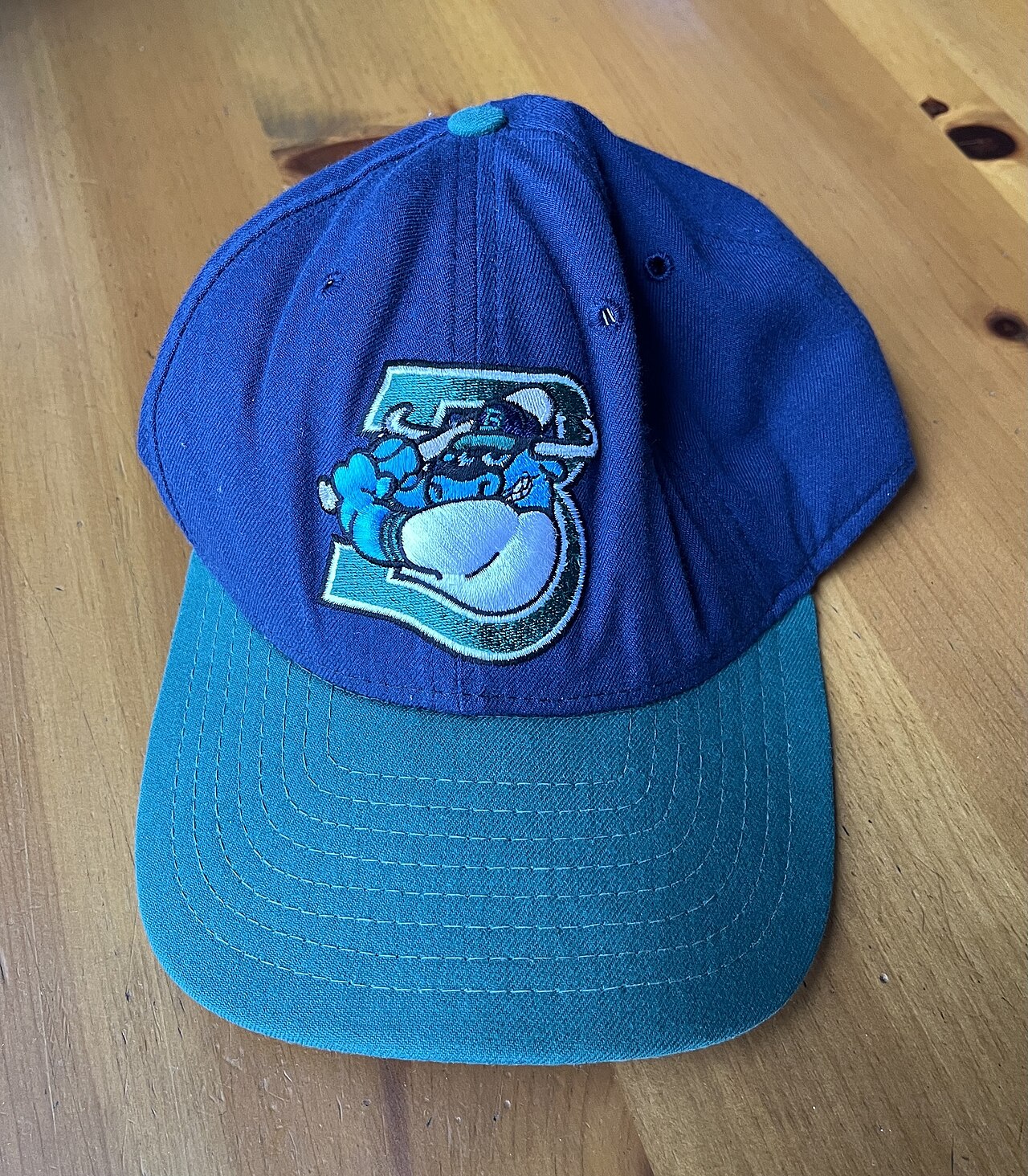
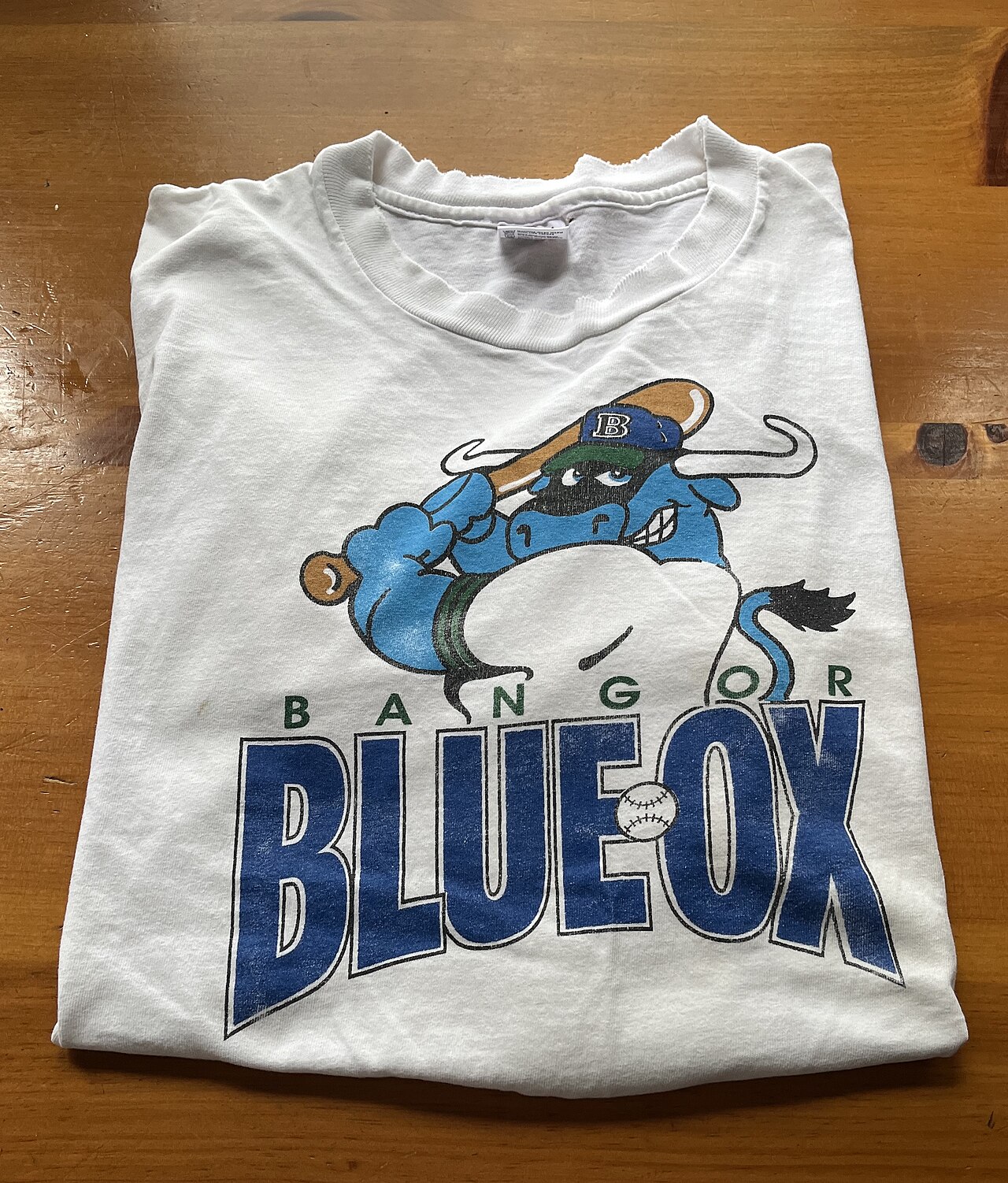
Frequently Asked Questions
What was the Bangor Blue Ox?
The Bangor Blue Ox were an independent minor league baseball club based in Bangor, Maine, that competed in the Northeast League during the 1996 and 1997 seasons. They had no Major League Baseball affiliation and were part of the league's push to extend its footprint into the New England region.
Where did the Bangor Blue Ox play their home games?
The Blue Ox hosted their home slate at Mahaney Diamond, a field located on the University of Maine campus in Orono, Maine, just across the Penobscot River from downtown Bangor.
What was the Bangor Blue Ox's best season?
Their strongest year came in 1996, when they posted a 46–33 record to capture second place in the Northeast League's Northern Division. The following campaign saw them drop to 40–43 and finish fifth in that same division before the franchise ceased operations.
Who is the most notable player in Bangor Blue Ox history?
The standout name in Blue Ox lore is pitcher Oil Can Boyd, who went a perfect 10–0 with a 3.22 ERA during the 1996 season. He came back to the mound for the team once more in 1997.
Why did the Bangor Blue Ox fold after only two seasons?
The franchise was originally conceived as a bargaining chip to pressure the city of Bangor into committing to a new dedicated ballpark, a project that never materialized. Without that infrastructure investment, the team simply could not sustain itself and disappeared after the 1997 season.
More in Defunct independent baseball league teams 1-24
Spotted an error? Know more?
Reader corrections go straight into our review queue. Suggest an edit · How this site is sourced