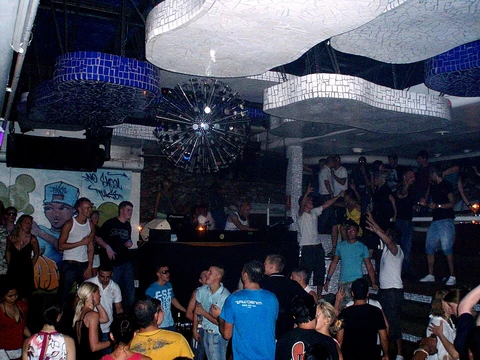
Latin dance
A dance category blending Indigenous, European, and African roots.
Last updated
Latin dance is a mix of dance styles from cultures around the world, including West African, African American, and European influences.[1] Five dances—Cha-cha-cha, Rumba, Samba, Paso Doble, and Jive—make up the Latin dance category used in international dancesport competitions.[2] Salsa, mambo, merengue, rumba, bachata, bomba, and plena are examples of social Latin dances, also called Street Latin.[3]
Quick Facts
- Field
- Partner dance competition and social dance
- Origins
- Latin America, with influences from Indigenous American, European, and African traditions
- Influences
- Aztec
- Guarani
- Aymara
- Inca
- Tehuelche
- European settlers
- African slaves
Facts from the source article.
Key facts and history
When African slaves were forced to Europe in the 1500s, their culture brought styles such as basic, simple movements and intricate movements like fast rotation and ripples of the body.[4] Indigenous American, European, and African sources all contributed to the formation of Latin dance.[5] Upon returning to Portugal and Spain in the sixteenth century, seagoing explorers recounted stories about the native peoples they had encountered.[5] In the sixteenth century, after Europeans brought Aztec and Inca influences back home, they blended their own dance styles with those influences.[5]
African influences have permanently shaped the movement and rhythms found in Latin dance.[4] The Cuban danzón serves as an example of a dance that is now only of historical interest.[3]
What the cited sources add
According to Young, salsa is by far the most popular Latin dance style and is also the most popular partnered dance in the world.[6] Young states that merengue is the national dance of the Dominican Republic.[6] Young notes that kizomba is not technically a Latin dance, since it originated in Angola in Africa rather than in Latin America.[6] Bianca Gavrila describes cha-cha as a flirty dance, making a short dress or separate skirt and top suitable.[7]
Gavrila explains that jive derives from the jitterbug, a swing dance that originated in the 1930s.[7] Gavrila notes that paso doble is the dance of the matador, the cape, and the flamenco.[7]
References
- Wikipedia, "Latin dance" (CC BY-SA 4.0), which cites: Drake-Boyt, "Latin Dance", ABC-CLIO, 2011; Young, "Latin Dances List: 30 Popular Styles, Names & History", Salsa Vida (we also read that source) en.wikipedia.org
- Wikipedia, "Latin dance" (CC BY-SA 4.0), which cites: Lavelle, Doris 1983. Latin & American dances. 3rd ed, Black, London, p108.; The reason jive is included with the Latin dances is that its dance style is similar: "... a non-progressive dance which can be danced in a small space when the (original not read by us) en.wikipedia.org
- Wikipedia, "Latin dance" (CC BY-SA 4.0), which cites: Santos, John. 1982. The Cuban Danzón (liner notes). New York, Folkways Records FE 4066 (original not read by us) en.wikipedia.org
- Wikipedia, "Latin dance" (CC BY-SA 4.0), which cites: Guide, "African People and Culture", www.africaguide.com; "Recent from Latin Dancing Shoes", LT Dancers (original not read by us) en.wikipedia.org
- Wikipedia, "Latin dance" (CC BY-SA 4.0), which cites: "History of Latin Dance", LoveToKnow (original not read by us) en.wikipedia.org
- Young, "Latin Dances List: 30 Popular Styles, Names & History", Salsa Vida. facts only, no text reused. salsavida.com
- Bianca Gavrila (11-30-2019)"What Style of Dress Should You Wear for Each Latin Dance?"https://dancesportlife.com/blog/fashion-and-makeup/dress-style/. facts only, no text reused. dancesportlife.com
Each numbered sentence above was checked against the source it cites before publication. Sentences citing Wikipedia adapt text from the English Wikipedia article Latin dance (contributors), used under CC BY-SA 4.0; this entry is available under the same licence. Other sources were used for facts only; no text or images are copied from them.
More in Dance Forms
Sources
Compiled from Wikipedia and the sources listed below. Text from Wikipedia is available under CC BY-SA 4.0; this entry is adapted from it.
- Wikipedia: Latin dance (CC BY-SA 4.0).
Spotted an error? Know more?
Reader corrections go straight into our review queue. Suggest an edit · How this site is sourced