Frequently Asked Questions
The most-asked questions about cypriot cuisine.
What is Cypriot cuisine in a nutshell?
Cypriot cuisine is the culinary tradition of the island of Cyprus, weaving together Mediterranean, Greek, Turkish, Levantine, and Arab influences into a distinct food culture. It is built around olive oil, fresh vegetables, lamb, seafood, and the island's signature cheese, halloumi.
What are the most iconic Cypriot dishes?
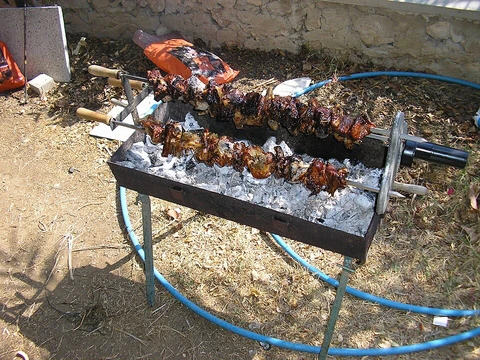
Halloumi (grilled or pan-fried cheese), souvlaki, moussaka, kleftiko (slow-roasted lamb buried in embers), and fakes (a thick lentil-and-meat stew) are widely regarded as the signature dishes. For dessert, loukoumades (honey-drizzled doughnut balls) and various baklava preparations are staples.
How does Cypriot cuisine differ from Greek cuisine?
While the two share many ingredients and techniques, Cypriot cooking tends to carry stronger Levantine spice profiles, a heavier reliance on halloumi, and unique preparations like kleftiko and fakes that are less common on the mainland. The island's trade history and relative isolation also gave it distinct wine and olive-oil traditions.
What is halloumi and why is it so central to Cypriot food?
Halloumi is a semi-hard, brined cheese traditionally made from sheep's and goat's milk (sometimes with cow's milk) that holds its shape when grilled or pan-fried. It is so closely tied to the island that the EU granted it protected geographical status, and it appears in salads, sandwiches, and as a standalone dish across the cuisine.
What are the main regional or cultural variations within Cypriot cuisine?
Greek Cypriot and Turkish Cypriot traditions overlap heavily but diverge in spice blends, bread styles, and celebratory dishes; Turkish Cypriot cooking leans more on rice pilafs and spiced stews, while Greek Cypriot cooking emphasizes olive-oil-based preparations. Coastal communities also favor seafood-centric meals distinct from the inland, lamb-and-vegetable tradition.
What drinks are most associated with Cypriot food culture?
Commandaria, a sweet dessert wine made from sun-dried grapes and sometimes called the world's oldest named wine, is the island's most celebrated beverage. Tsipouro (a grape-based spirit), local reds and whites from Maratha or Xynisteri grapes, and strong Greek-style coffee round out the typical table.
What does a traditional Cypriot meal look like?
A typical spread begins with a meze course of small plates—olives, marinated vegetables, cheese, and dips—followed by a main of grilled meat, kleftiko, or a vegetable stew. The meal is usually long, communal, and accompanied by bread, wine, and conversation, with dessert and coffee closing the table.
What are the most well-known Cypriot sweets and pastries?
Loukoumades (small fried dough balls drizzled with honey and cinnamon), pistachio or walnut baklava, and kourabiedes (buttery shortbread cookies) are the most recognizable. Pistachio-based confections and halva also feature prominently, especially during Easter and Christmas celebrations.
Where should a newcomer start to understand Cypriot cuisine?
Tasting a classic meze platter at a traditional taverna in Nicosia, Larnaca, or Paphos gives the broadest introduction in a single sitting. Pairing that with a visit to a local covered market—such as the Larnaca or Limassol markets—to see the raw ingredients and cheeses firsthand rounds out the experience.
What are some notable cultural moments or traditions tied to Cypriot food?
The Easter kleftiko feast, in which whole lamb is buried in hot embers and slow-cooked for hours, is one of the most deeply rooted culinary rituals on the island. The spring halloumi harvest and the autumn Commandaria grape-picking are also celebrated as cultural events that draw both locals and visitors.