Ride cymbal
A sustained-sound cymbal used to keep a steady beat.
Last updated
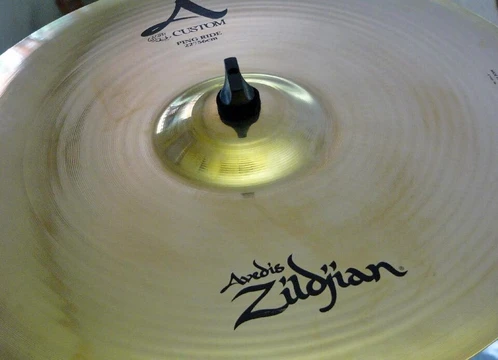
The ride cymbal is a drum set standard, designed to keep a steady beat with its long, sustained sound rather than the sharp accent of a crash. It sits on the far right, over the floor tom. A solid strike produces a shimmering tone, while hitting the bell gives a clear ping. It can perform any hi-hat rhythm except open and closed sounds.
Quick Facts
- Common diameter
- about 20 in / 50.8 cm
- Standard diameter range
- 18 in to 22 in / 55.9 cm
- Available diameter range
- 8 in to 26 in / 66 cm
- Thickest and loudest size
- about 22 inches
- Flat ride developed by
- Paiste
- Flat ride decade introduced
- 1960s
- Notable flat ride users
- Roy Haynes
- Jack DeJohnette
- Jo Jones
- Charlie Watts
Facts from the source article.
Types
The term ride may depict either the function or characteristic of the instrument, and most cymbal makers manufacture specific cymbals for the purpose. Some drummers use a china cymbal, a sizzle cymbal, or a specialized tone such as a swish or pang as a ride cymbal. When playing extremely softly, with brushes, or in a studio, even a thin crash may serve as a ride cymbal. Cymbals designated crash/ride or ride/crash serve as either a large slow crash or secondary ride, or in very small kits as the only suspended cymbal.
Bell-less ride cymbals, known as flat rides, have a dry crash and clear stick definition; quieter, they are popular in jazz drumming. Swish and pang cymbals are exotic ride and crash/ride cymbals similar to china cymbals in tone. A sizzle cymbal, thinner and one size larger than the main ride, was common in some styles of early rock music as a secondary ride cymbal.
Sound
A ride cymbal produces a long, shimmering tone when hit, unlike a crash cymbal’s quick decay. The typical size is around 20 inches in diameter, with 18 to 22 inches being the usual range. Thinner, smaller rides sound darker and more shimmering, while thicker, larger ones handle louder playing better. You can find rides as large as 26 inches and as small as 16 inches easily, and even 8-inch models exist.
The heaviest, loudest rides are usually about 22 inches; bigger ones are only made in medium or medium-thin weights. In rock and jazz, drummers often strike the ride in a steady rhythmic pattern to accompany the music, sometimes switching between the ride and hi-hat for different song sections. The stick tip changes the sound: wood tips give a smoother, quieter hit, while nylon tips produce a sharper “ping.” The bell, the raised center, makes a brighter, shorter note and is often treated like a separate cymbal.
In metal and harder rock, some rides feature an oversized bell, which makes it easier to hit accurately at fast tempos and delivers a louder, more brilliant tone.
Pattern
The ride cymbal's modern role traces back to jazz drummer Baby Dodds and his press roll technique. While other drummers kept their press rolls short on the backbeats, Dodds started his rolls on those beats but let them carry through to the next beat, creating a smoother sense of time.
The Percussive Arts Society credits this approach with evolving into the standard jazz ride-cymbal pattern. In rock and other genres, the basic ride pattern is a steady, even pulse. For jazz, that same pattern is typically played with a swing feel.
More in Cymbals
Sources
Compiled from Wikipedia and the sources listed below. Text from Wikipedia is available under CC BY-SA 4.0; this entry is adapted from it.
- Wikipedia: Ride cymbal (CC BY-SA 4.0).
Spotted an error? Know more?
Reader corrections go straight into our review queue. Suggest an edit · How this site is sourced