Viktor Bout
Russian arms dealer convicted in U.S., swapped for Brittney Griner.

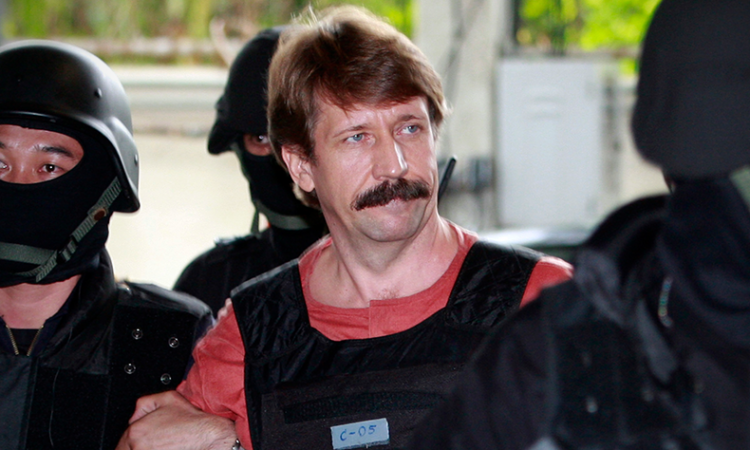
Drug Enforcement Administration · Public domain
Viktor Anatolyevich Bout, born 13 January 1967, is a Russian arms dealer and politician. Starting as a translator in the Soviet military, he later ran companies that smuggled weapons from Eastern Europe into Africa and the Middle East throughout the 1990s and early 2000s. He became known as the "Merchant of Death" after British minister Peter Hain presented a 2003 UN report detailing Bout’s vast operations, broad customer base, and readiness to violate embargoes. In 2011, a Manhattan federal jury found him guilty of conspiring to kill U.S. citizens and officials, delivering anti-aircraft missiles, and supporting a terrorist group; he received the minimum sentence of 25 years in prison. In 2022, Bout was swapped for American basketball player Brittney Griner, who had been sentenced to nine years in Russia for carrying 0.7 grams of cannabis oil. Bout had served ten years before his release in December 2022. After returning to Russia, he joined the Liberal Democratic Party and won a seat in the Ulyanovsk Oblast Legislative Assembly in July 2023.
Bout’s early life is unclear. Both UN documents and Bout himself say he was born in Dushanbe, Tajik SSR (now Tajikistan’s capital), likely on 13 January 1967, though other dates exist. He has an older brother, Sergei. After the Soviet Union dissolved in 1991, Bout became a Russian citizen. The UN Security Council Committee on Liberia reports he holds at least four passports. Some sources call him a Tajik national or Tajik-born.
His military service is not fully documented. He graduated from the Soviet Military Institute of Foreign Languages in the late 1980s, becoming fluent in Portuguese, English, French, Arabic, and Persian. He also learned Esperanto at age 12 in a Dushanbe club. His personal website says he served as a translator with the rank of lieutenant. In a radio interview, he said he retired with “an officer’s rank.” Other reports call him a former major, and some claim he left the army as a lieutenant colonel when the Soviet Union collapsed, then started an air freight business. Additional sources say he was a GRU major, a Soviet Air Forces officer, a graduate of military intelligence training, or a KGB operative. Bout was involved in a Soviet operation in Angola in the late 1980s, assisting the MPLA during the civil war, though he says he was there only a few weeks. In Africa, he learned Xhosa and Zulu and spent two years in Mozambique.
After the Soviet collapse, Bout—as a former soldier—was well placed to buy surplus Soviet military gear, including three Antonov An-12 planes. According to his website, he founded Air Cess in Liberia in 1995, the only company linked to him that officially names him as its head. He operated four Antonov An-8 planes in Angola, the only country allowing civilian use of that model. His companies legally flew freight for the French government, the UN, and the U.S., including flowers, frozen chicken, peacekeepers, French soldiers, and African leaders. Bout admits traveling to Afghanistan many times in the 1990s but denies dealing with al-Qaeda or the Taliban. Starting in 1994, he made shipments for Afghanistan’s pre-Taliban government, later the Northern Alliance, and knew commander Ahmad Shah Massoud. The CIA described Bout’s planes as carriers of small arms and ammunition into Afghanistan. In 1995, he helped negotiate the release of Russian hostages during the Airstan incident. A 2000 UN report noted that Bulgarian arms companies exported large quantities of weapons between 1996 and 1998 using forged end-user certificates from Togo, and that Air Cess, owned by Bout, was the main transporter of those weapons from Burgas airport. This was the first official mention of Bout in such a context.
- born
- 13 January 1967 (most likely), Dushanbe, Tajik SSR, Soviet Union
- field
- Arms trafficking, politics
- nationality
- Russian (also holds multiple passports; some sources refer to him as Tajik-born)
- known_for
- Arms smuggling as the 'Merchant of Death'; 2011 U.S. conviction; 2022 prisoner e
Verified Timeline
Lore & Background
Viktor Bout's origins are unclear. United Nations documents and Bout himself both state his birthplace as Dushanbe, Tajik SSR, Soviet Union (now the capital of Tajikistan), and that his date of birth is most likely 13 January 1967, although several other dates are possible. He has an older brother named Sergei Bout. Bout served in the Soviet Armed Forces. There is no definite information on his military career except that he graduated from the Soviet Military Institute of Foreign Languages in the late 1980s. Bout's training allowed him to become a polyglot and master five foreign languages: Portuguese, English, French, Arabic, and Persian. He is reported to be fluent in Esperanto, which he learned at age 12 in the early 1980s as a member of the Dushanbe Esperanto club. Bout's personal website stated that he served in the Soviet Army as a translator, holding the rank of lieutenant. It is unknown what rank Bout held while in military. In a radio interview with Radio Echo Moskvy, Bout himself said he retired with "an officer's rank." Other reports identified Bout as a former major. Bout is thought to have been discharged from the Soviet Army upon its dissolution in 1991 with the rank of lieutenant colonel, whereupon he started an air freight business. Other sources state he was a major in the GRU, an officer in the Soviet Air Forces, that he graduated from a Soviet military intelligence training program, or an operative of the KGB. Bout was involved with a Soviet military operation in Angola in the late 1980s assisting the People's Movement for the Liberation of Angola (MPLA) in the Angolan Civil War. He has stated that he was in Angola only for a few weeks. During this time in Africa he went on to learn the Xhosa and Zulu languages. His time in Africa also included a two-year stint in Mozambique. According to Bout's personal website, he founded an air freight business, Air Cess, in Liberia in 1995. Air Cess is the only company connected to Bout that has ever officially recognized him as the head.
Reader's Guide
Viktor Bout's significance lies in his role as a major arms trafficker who exploited the chaos following the Soviet Union's collapse to supply weapons to conflict zones in Africa and the Middle East, often bypassing United Nations embargoes. His network, epitomized by the 'Merchant of Death' label, highlighted the challenges of regulating private arms sales and the use of front companies. His 2008 arrest in a U.S. sting operation, conviction in 2011, and eventual release in a high-profile prisoner exchange for Brittney Griner in 2022 underscored the intersection of international law enforcement, diplomacy, and geopolitics. Bout's subsequent entry into Russian politics as a member of the Liberal Democratic Party of Russia and his election to the Legislative Assembly of Ulyanovsk Oblast in 2023 reflect his continued influence and the complex legacy of a figure who operated at the margins of global security.
Did You Know?
- Bout learned Esperanto at age 12 in the early 1980s as a member of the Dushanbe Esperanto club.
- He is reported to be fluent in five foreign languages: Portuguese, English, French, Arabic, and Persian, plus Esperanto.
- Bout's personal website stated he served in the Soviet Army as a translator holding the rank of lieutenant.
- In a 2003 New York Times interview, Bout said, 'I woke up after Sept. 11 and found I was second only to Osama.'
- The U.S. government and its contractors paid Bout-controlled firms roughly $60 million to fly supplies into Iraq in support of American forces, according to a 2007 Los Angeles Times report.
Gallery
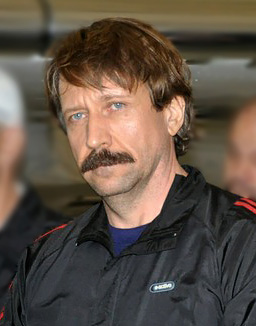
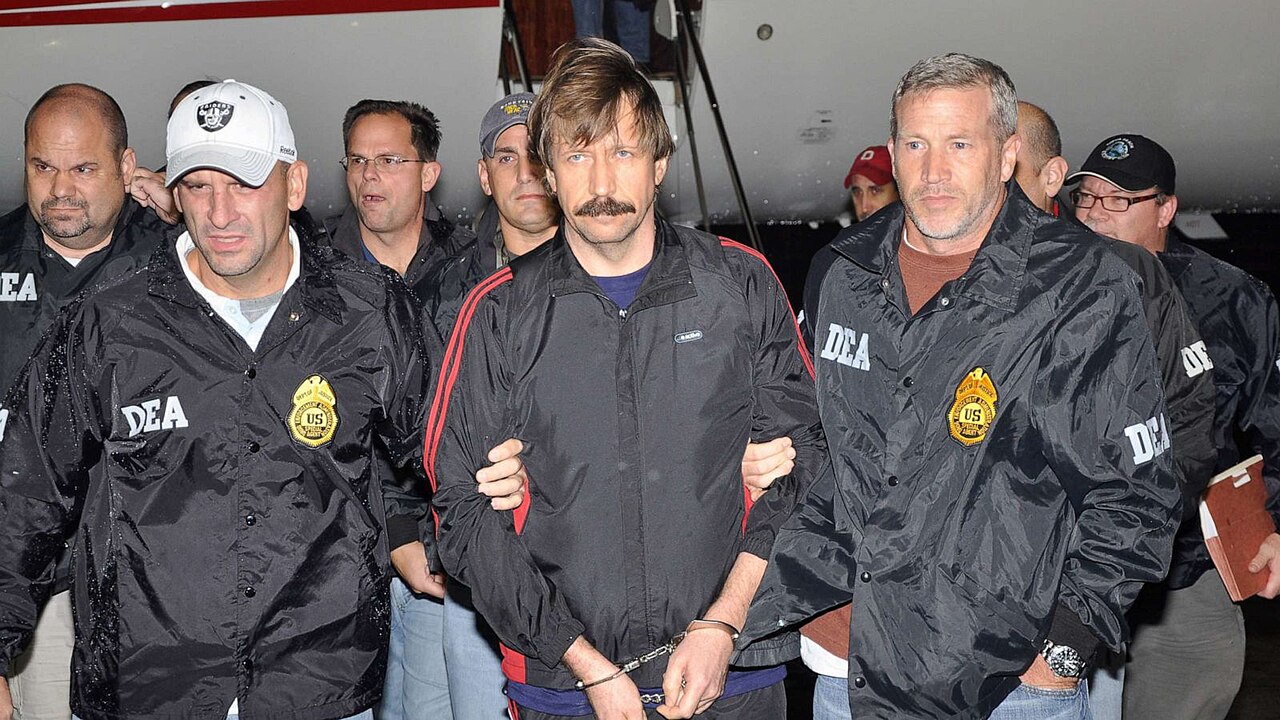
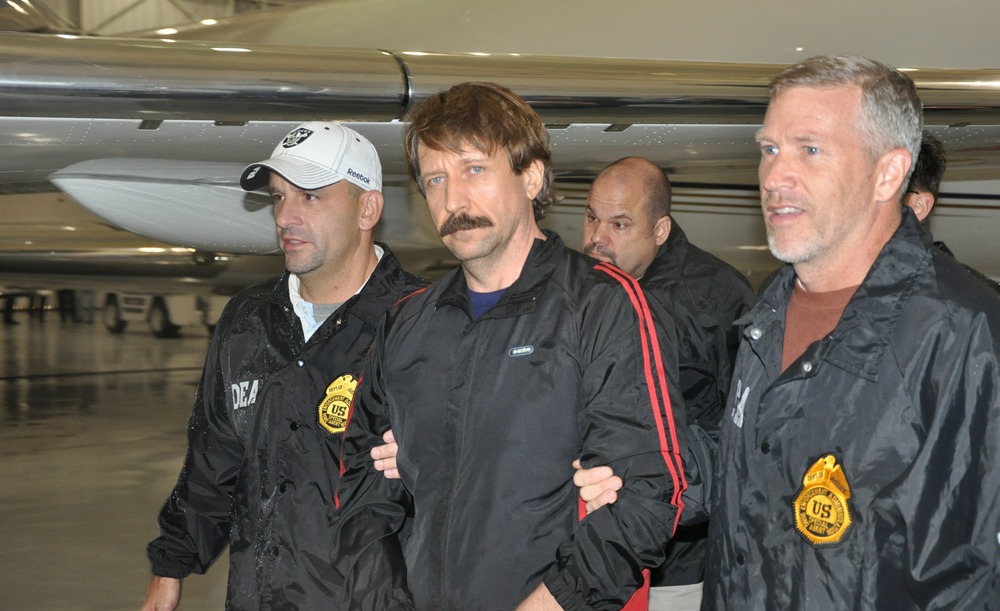
Frequently Asked Questions
Who is Viktor Bout?
Viktor Anatolyevich Bout (born January 13, 1967, in Dushanbe) is a Russian arms trafficker who built a vast network for moving weapons into war-torn regions of Africa and the Middle East. He earned the global nickname "Merchant of Death" and was later convicted in a U.S. federal court in 2011.
Why is Viktor Bout nicknamed the "Merchant of Death"?
A 2003 UN report highlighted how his operations funneled weapons into embattled nations while openly flouting international trade restrictions. The moniker captured the breadth and audacity of his smuggling network across multiple continents during the 1990s and early 2000s.
What crime was Viktor Bout convicted of in the United States?
A federal jury in 2011 found him guilty of conspiring to murder American citizens and government officials. The conviction stemmed from his long history of arms trafficking and his willingness to sell to parties the U.S. had sanctioned.
How did Viktor Bout get out of American prison?
In 2022, he was freed through a bilateral prisoner swap in which the U.S. handed him over to Russia in return for the release of basketball player Brittney Griner, who had been held in a Russian detention facility. The exchange drew enormous international attention.
What did Viktor Bout do before entering the arms trade?
He worked as a military translator for the Soviet armed forces, a position that equipped him with multilingual abilities and logistical knowledge he later leveraged in smuggling. He was born in Dushanbe, Tajik SSR (now Tajikistan), and is a Russian national, though his Central Asian birthplace is sometimes noted.
More in Criminals And Outlaws 1-24
Spotted an error? Know more?
This is a living reference — every entry is fact-audited, and reader corrections feed straight into our audit queue. Suggest an edit · See this site's audit record