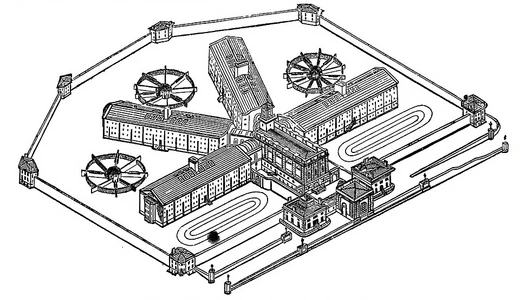
Torture
Torture is the deliberate infliction of severe pain or suffering.
A perpetrator deliberately inflicting severe pain or suffering on a helpless individual who is under their control is the conventional understanding of torture.[1] While few states openly admit to it, the practice of torture occurs in the majority of countries.[2]
Quick Facts
- Definition
- Deliberate infliction of severe pain or suffering
- Common method
- Beatings
- Primary victims
- Poor and marginalized people suspected of crimes
- Legal status
- Prohibited under international law for all states under all circumstances
- Modern prevalence
- Practiced in or by most countries
Facts from the source article.
Key facts and history
Torture was legally and morally acceptable in most ancient, medieval, and early modern societies.[3] Torture remained legal in Europe during the seventeenth century, but its practice declined.[4] Archaeological findings from Early Neolithic Europe, dating back approximately 7,000 years, provide evidence of torture.[5] During the early medieval period in Europe, torture was uncommon, but its frequency increased in the years between 1200 and 1400.[5]
During the Algerian War, which lasted from 1954 to 1962, it is estimated that 300,000 individuals were subjected to torture.[6] In Latin America during the Cold War, both communist and anti-communist governments employed torture; regimes backed by the United States are estimated to have had between 100,000 and 150,000 torture victims.[6]
What the cited sources add
The OMCT report states that Israel's Supreme Court clarified in 2019 that interrogational torture is lawful in certain circumstances in Israel's legal system.[7] Torture has been legally allowed in Israel since 1987, resulting in many thousands of Palestinians being tortured by ISA interrogators with impunity.[7] The Encyclopedia Iranica account explains that among Achaemenid royal inscriptions only the Bisotun inscription refers to the use of torture.[8] That source also reports that in the Bisotun inscription mutilation is a well-attested example of torture, with victims deprived of ears, nose, an eye, and tongue.[8]
The OMCT report describes that the Public Committee Against Torture in Israel complained in 2013 of torture including sleep deprivation, beating, and painful positions.[7]
References
- Wikipedia, "Torture" (CC BY-SA 4.0), which cites: Nowak 2014, p. 396–397; Carver Handley 2016, p. 38; Oette 2024, p. 51, 85; Evans 2023, p. 21; Oette 2024, p. 51, 85; Carver Handley 2016, p. 38; Evans 2023, p. 21; Oette 2024, p. 51, 85 (original not read by us) en.wikipedia.org
- Wikipedia, "Torture" (CC BY-SA 4.0), which cites: Kelly 2019, p. 2; Hajjar 2013, p. 40; Evans 2023, p. 21; Evans 2023, p. 21; Barnes 2017, p. 26–27; Carver Handley 2016, p. 38; Rejali 2020, p. 84–85; Kelly 2019, p. 2; Einolf 2007, p. 104; Einolf 2023 (original not read by us) en.wikipedia.org
- Wikipedia, "Torture" (CC BY-SA 4.0), which cites: Einolf 2007, p. 104; Hajjar 2013, p. 40; Barnes 2017, p. 26–27; Cakal 2023, p. 248, 250; Evans 2020, p. History of Torture; Evans 2020, p. History of Torture (original not read by us) en.wikipedia.org
- Wikipedia, "Torture" (CC BY-SA 4.0), which cites: Einolf 2007, p. 104; Beam 2020, p. 392; Einolf 2007, p. 104; Beam 2020, p. 392; Hajjar 2013, p. 40; Wisnewski 2010, p. 25; Einolf 2007, p. 104; Wisnewski 2010, p. 25; Hajjar 2013, p. 40; Beam 2020, p. 392 (original not read by us) en.wikipedia.org
- Wikipedia, "Torture" (CC BY-SA 4.0), which cites: Jacobs, "Torture in the Achaemenid Period", Encyclopedia Iranica, 16 March 2017; Frahm 2006, p. 81; Beam 2020, p. 392; Einolf 2007, p. 104; Hajjar 2013, p. 40; Beam 2020, p. 392; Beam 2020, p. 392; Einolf 2007, p. 104 (we also read that source) en.wikipedia.org
- Wikipedia, "Torture" (CC BY-SA 4.0), which cites: Einolf 2007, p. 104; Hajjar 2013, p. 40; Pérez-Sales 2016, p. 279–280; Barnes 2017, p. 26–27; Einolf 2007, p. 104; Wisnewski 2010, p. 25; Einolf 2007, p. 104; Einolf 2007, p. 104; Hajjar 2013, p. 40; Einolf 2007, p. 104 (original not read by us) en.wikipedia.org
- "It's now (even more) official: torture is legal in Israel", OMCT, 21 March 2019. facts only, no text reused. omct.org
- Jacobs, "Torture in the Achaemenid Period", Encyclopedia Iranica, 16 March 2017. facts only, no text reused. iranicaonline.org
Each numbered sentence above was checked against the source it cites before publication. Sentences citing Wikipedia adapt text from the English Wikipedia article Torture (contributors), used under CC BY-SA 4.0; this entry is available under the same licence. Other sources were used for facts only; no text or images are copied from them.
More in Crime & Justice
Spotted an error? Know more?
Reader corrections go straight into our review queue. Suggest an edit · How this site is sourced