Creepypasta
Internet horror legends shared as copy-pasted stories.
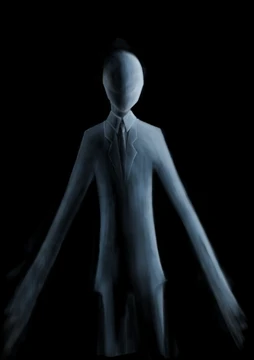
A creepypasta is a horror-related legend shared across the Internet, often taking the form of brief, user-generated paranormal stories intended to frighten readers. The term has become a catch-all for any horror content posted online, with subjects ranging from ghosts and cryptids to haunted video games and television shows. Creepypastas gained mainstream notoriety after the 2014 Slender Man stabbing, in which two 12-year-old girls attacked a friend, believing the fictional character was real.
Quick Facts
- Creepypasta.com created
- 2008
- Notable stabbing incident
- 2014 Slender Man stabbing in Wisconsin
- Second stabbing incident
- 2015 Indiana stabbing by 12-year-old girl
Facts from the source article.
Did You Know?
- The word creepypasta first appeared on 4chan around 2007 as a variant of the slang copypasta.
- Creepypastas are a form of modern day folklore, spread through digital channels rather than word of mouth.
- Unlike copypastas, all creepypastas are horror fiction and may include videos, images, hyperlinks, and GIFs.
History
The earliest creepypasta is debated; some scholars see similarities in 1990s chain emails that spread hoaxes and urban legends. Horror stories such as the Rake, created by 4chan users in 2005, have been retroactively considered creepypastas, while others point to the 2001 story "Ted the Caver" as the first. 4chan was the first major source of creepypastas, and its culture shaped the genre's characteristics. Dedicated creepypasta websites began appearing in the late 2000s: Creepypasta.com in 2008, and the Creepypasta Wiki and Reddit's r/nosleep in 2010. The definition has since expanded to include most short horror fiction first published online, with authorship becoming increasingly important.
Cultural impact
Creepypastas have inspired numerous short films, games, feature-length films, and merchandise, including Always Watching: A Marble Hornets Story, Slender Man, and Beware the Slenderman. In 2026, the backrooms served as the basis for the A24-produced film Backrooms, directed by Kane Parsons. Fan content and independent mythos have emerged from creepypastas, such as the SCP Foundation, the Backrooms, and The Mandela Catalogue, the latter being an example of analog horror.
Some creepypastas have been archived by the American Folklife Center as part of documenting web culture. Folklorists view them either as digital-age legends or as anti-legends that subvert audience expectations. A planned live-action web series curated by Clive Barker, titled Clive Barker's Creepy Pasta, was never produced after Machinima shut down. The television series Channel Zero on Syfy based each season on a different creepypasta.
Genres
Some creepypastas exploit childhood nostalgia, distorting it into something horrific. Lost episodes of television shows are a popular trope, often focusing on suicide or implying harm to the viewer; examples include Squidward's Suicide, Suicidemouse.avi, and Dead Bart. A SpongeBob SquarePants episode had to re-edit a scene referencing Squidward's Suicide. Video game creepypastas feature games with grotesque or violent content that may spill into the real world, often caused by ghosts or artificial intelligence; notable examples are Sonic.exe, Ben Drowned, Herobrine, and Lavender Town Syndrome. Electronic literature incorporates digital elements to convey meaning, with some creepypastas using interactive questions, such as Please Answer Carefully. These Waves of Girls may be considered an early creepypasta work.
Belief as real
Narrative techniques and popularity among children sometimes cause creepypastas to be mistaken for true stories. The mix of fantasy and reality appeals to younger readers, and themes of uncertainty can cause confusion. In the 2014 Slender Man stabbing in Wisconsin, two 12-year-old girls attempted to kill another girl to appease Slender Man; one had been experiencing auditory hallucinations from schizophrenia. After the attack, Creepypasta.com issued a statement clarifying its stories are fictional. In 2015, a 12-year-old girl in Indiana fatally stabbed her stepmother, believing the creepypasta clown character Laughing Jack had directed her; she had been experiencing dissociative identity disorder.
More in Creepypastas
Spotted an error? Know more?
Reader corrections go straight into our review queue. Suggest an edit · How this site is sourced