Henry Purcell
English Baroque composer and organist of the middle Baroque era.
Last updated

via Wikipedia: Henry Purcell · see source
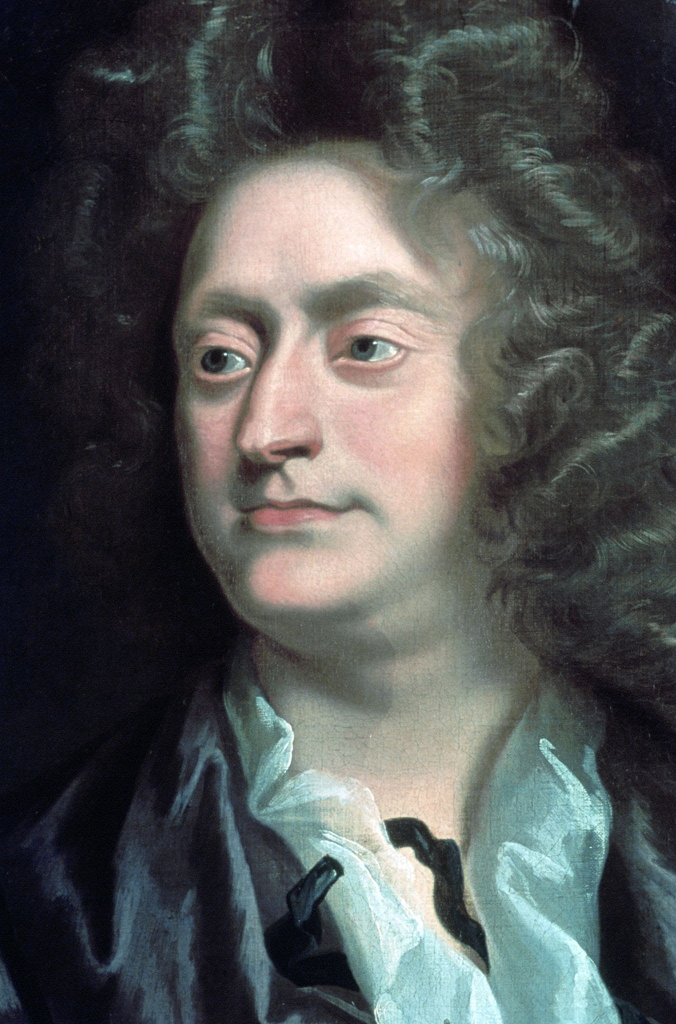
Henry Purcell (c. 10 September 1659 – 21 November 1695) worked as a composer and organist during the middle Baroque period. His output was enormous: he wrote over one hundred songs, the tragic opera Dido and Aeneas, and incidental music for a version of Shakespeare’s A Midsummer Night’s Dream retitled The Fairy Queen. Though his musical style drew on Italian and French influences, it remained distinctly English. Purcell is widely regarded as one of England’s finest composers.
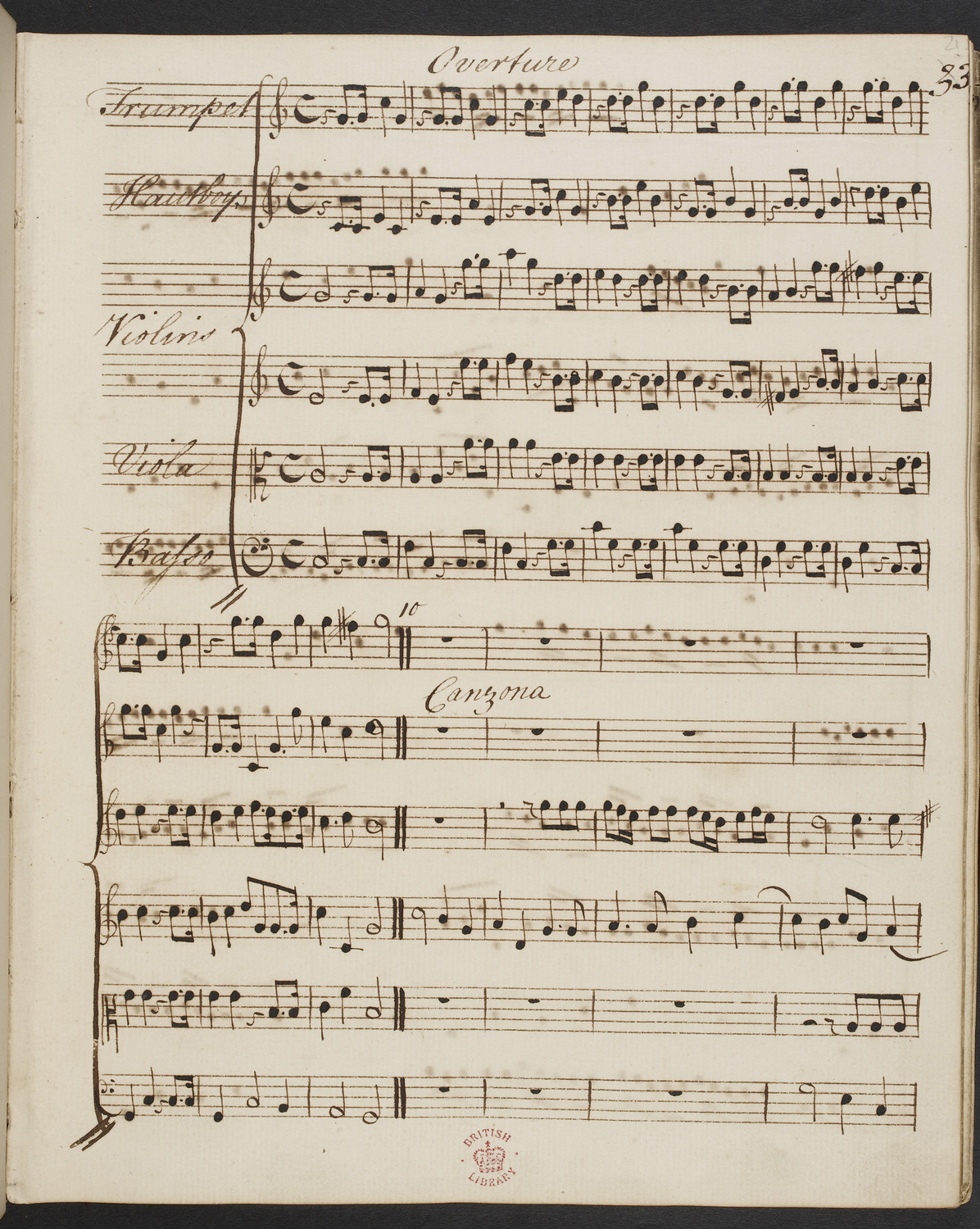
Early life
Purcell was born in 1659 on St Ann’s Lane in Westminster, just a few hundred yards west of Westminster Abbey. His father, also named Henry Purcell, had an older brother Thomas, a musician who sang at the coronation of King Charles II as a gentleman of the Chapel Royal. The elder Henry had three sons: Edward, Henry and Daniel, the youngest of whom also became a prolific composer and, after Henry’s death, wrote much of the final act of The Indian Queen. When the father died in 1664, young Henry came under the care of his uncle Thomas, who treated him with great kindness.
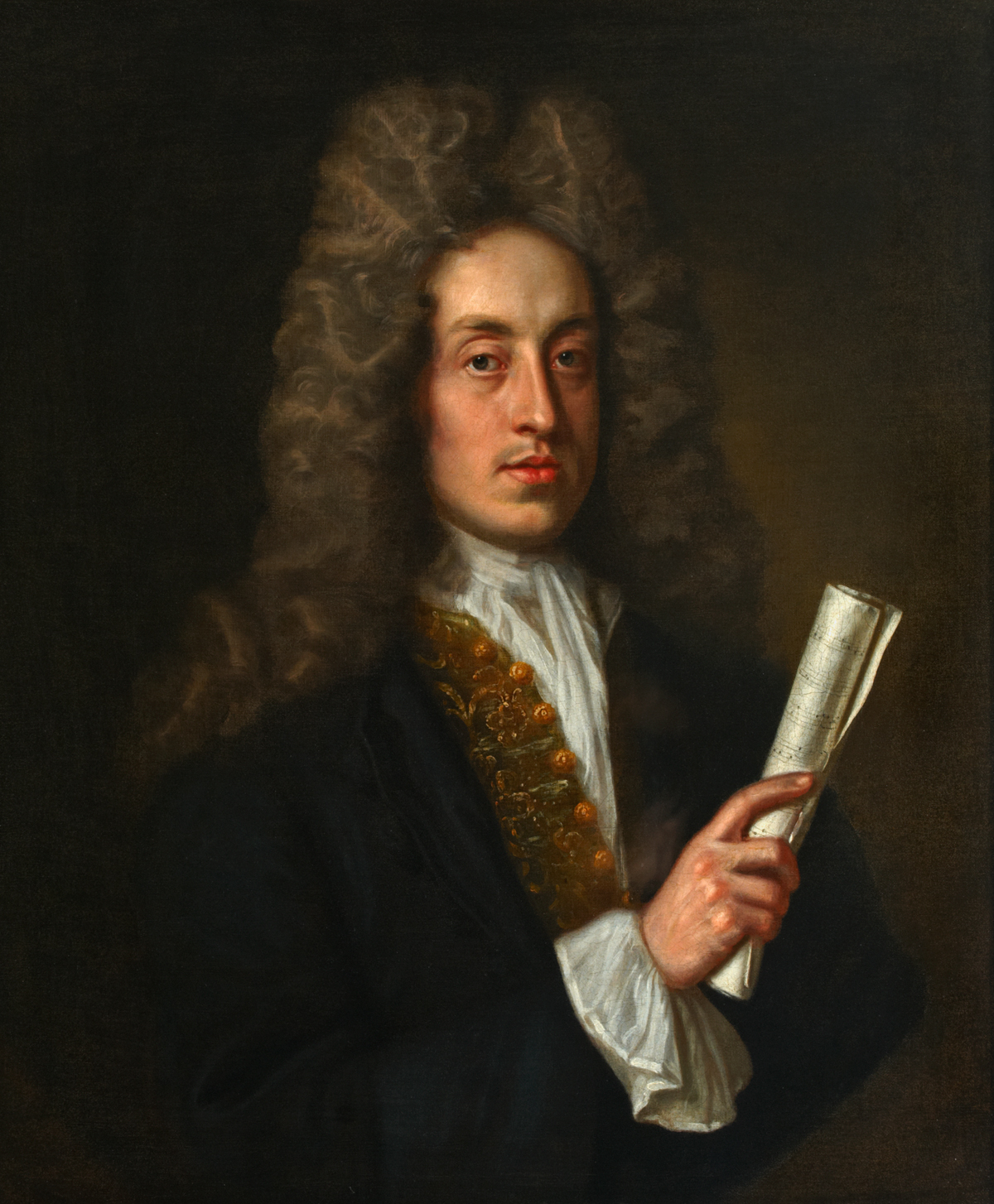
Thomas arranged for Henry to become a chorister and study first under Captain Henry Cooke, Master of the Children, and later under Cooke’s successor Pelham Humfrey, a pupil of Lully. The composer Matthew Locke, a family friend, likely influenced the young Purcell, especially through his semi-operas. When Henry’s voice broke in 1673, he left the Chapel Royal choristers and became an assistant to John Hingston, the king’s keeper of wind instruments.
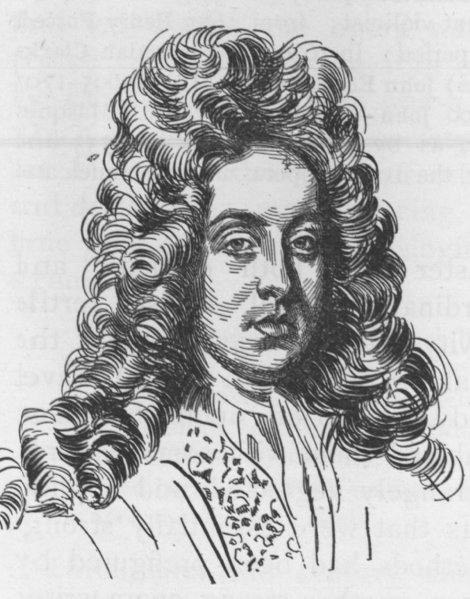
Early career
Purcell is said to have been composing by age nine, though the earliest work definitely his is a birthday ode for the king written in 1670, when he was eleven. Dates for his compositions are often uncertain despite extensive research. The three-part song Sweet tyranness, I now resign is thought to be a childhood work. After Humfrey’s death, Purcell studied under John Blow.
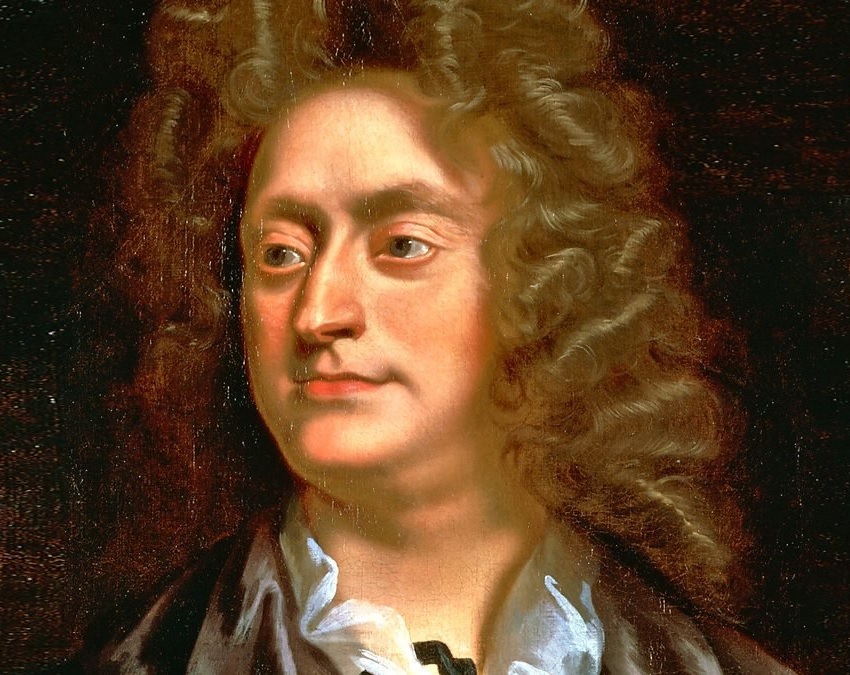
He attended Westminster School and in 1676 became a copyist at Westminster Abbey. His earliest known anthem, Lord, who can tell, dates from 1678; its text is a psalm for Christmas Day and for morning prayer on the fourth day of the month. In 1679, Purcell wrote songs for John Playford’s Choice Ayres, Songs and Dialogues and an unnamed anthem for the Chapel Royal. A letter from his uncle Thomas reveals that this anthem was written for the Rev.
Lore & Background
Purcell was born in St Ann's Lane, Old Pye Street, Westminster, in 1659. After his father's death in 1664, the infant Henry was placed under the guardianship of his uncle Thomas, who showed him great affection and kindness. Thomas arranged for Henry to be admitted as a chorister and to study first under Captain Henry Cooke, Master of the Children, and afterwards under Cooke's successor Pelham Humfrey, who had been a pupil of Lully.
The composer Matthew Locke was a family friend and probably also had a musical influence on the young Henry. When Henry's voice broke in 1673, he left his post as a chorister in the Chapel Royal and became an assistant to the organ-builder John Hingston, who held the post of keeper of wind instruments to the King. Purcell is said to have been composing at nine years old, but the earliest work that can be identified as his with certainty is an ode for the King's birthday, written in 1670, when he was eleven. After his teacher Humfrey's death, Purcell continued his studies under John Blow.
In 1679, Blow resigned his office as organist of Westminster Abbey in favour of Purcell. Soon after Purcell's marriage in 1682, on the death of Edward Lowe, he was appointed organist of the Chapel Royal, an office he held simultaneously with his position at Westminster Abbey. His first printed composition, Twelve Sonatas, was published in 1683.
Reader's Guide
Purcell's chamber opera Dido and Aeneas forms a very important landmark in the history of English dramatic music. It was written to a libretto furnished by Nahum Tate and performed in 1689 in cooperation with Josias Priest, a dancing master and choreographer. It is occasionally considered the first genuine English opera, though that title is usually given to Blow's Venus and Adonis; in each work, the action does not progress in spoken dialogue but in Italian-style recitative. Dido and Aeneas never found its way to the theatre at the time, though it appears to have been very popular in private circles.
The complete work remained in manuscript until 1840 when it was printed by the Musical Antiquarian Society under the editorship of Sir George Macfarren. In 1691, Purcell wrote the music for what is sometimes considered his dramatic masterpiece, King Arthur, or The British Worthy. In 1692, he composed The Fairy-Queen (an adaptation of Shakespeare's A Midsummer Night's Dream), the score of which (his longest for theatre) was rediscovered in 1901 and published by the Purcell Society.
In 1695, he wrote songs for Dryden and Davenant's version of Shakespeare's The Tempest, probably including 'Full fathom five' and 'Come unto these yellow sands'. Purcell's Te Deum and Jubilate Deo were written for Saint Cecilia's Day, 1694, the first English Te Deum ever composed with orchestral accompaniment. This work was annually performed at St Paul's Cathedral until 1712, after which it was performed alternately with Handel's Utrecht Te Deum and Jubilate until 1743. In the final six years of his life, Purcell wrote music for forty-two plays.
Frequently Asked Questions
What is Dido and Aeneas?
Dido and Aeneas is Purcell's tragic opera and one of his most celebrated works. It retells the classical tale of Dido's love and loss and remains a staple of the English operatic repertoire.
How did Henry Purcell die and how old was he?
Purcell passed away on 21 November 1695, at roughly 36 years of age. His death cut short an extraordinarily prolific career that included over a hundred songs, operas, and stage works.
More in Composers & Musicians
Sources
Compiled from Wikipedia and the sources listed below. Text from Wikipedia is available under CC BY-SA 4.0; this entry is adapted from it.
- Wikipedia: Henry Purcell (CC BY-SA 4.0).
Spotted an error? Know more?
Reader corrections go straight into our review queue. Suggest an edit · How this site is sourced