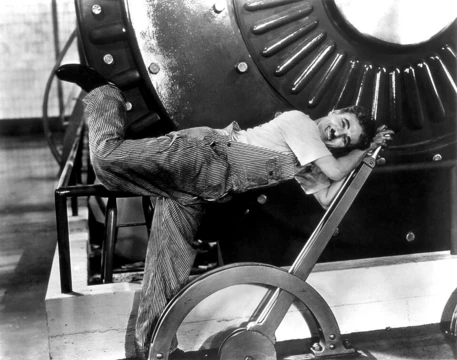
Totò
Italian actor, comedian, screenwriter, dramatist, poet, singer and lyricist.

Totò, whose stage name became a household word in Italy, was born Antonio Vincenzo Stefano Clemente on 15 February 1898 in the poor Naples district of Rione Sanità. His mother, Anna Clemente, was Sicilian; his father, the Neapolitan marquis Giuseppe de Curtis, did not legally recognize him. Deeply affected by this, Totò arranged at age 35 for the marquis Francesco Maria Gagliardi Focas to adopt him in exchange for a life annuity. When his biological father finally acknowledged him in 1937, Totò had inherited titles from two noble families, eventually claiming an impressive string of them.
His mother hoped he would become a priest, but by 1913, at fifteen, he was already performing comedy in small theatres under the pseudonym Clerment. He began by imitating Gustavo De Marco’s characters and, in minor venues, met famous artists like Eduardo and Peppino De Filippo. After serving in the Italian Army during World War I, he returned to acting. He mastered the *guitti* style—Neapolitan scriptless comedians rooted in Commedia dell’Arte—and developed his signature moves: puppet-like, disjointed gestures, exaggerated facial expressions, and a surreal, often cynical humor that played on primal urges like hunger and lust.
In 1922, Totò moved to Rome for larger theatres, performing *avanspettacolo*, a vaudeville mix of music, ballet, and comedy that preceded the main show. By the 1930s, he led his own company touring Italy. His first film, *Fermo con le mani*, came in 1937, followed by 96 more. Many movies were built around his performances, with his name often in the title—*Toto Tours Italy*, *Toto the Sheik*, *Cops and Robbers*, *Totò Tarzan*, *Toto the Third Man*, *Toto in Color* (one of Italy’s first color films, 1952), *Big Deal on Madonna Street*, and *The Law Is the Law*. He also showed dramatic range in Pier Paolo Pasolini’s *The Hawks and the Sparrows* and the posthumously released episode “Che cosa sono le nuvole” from *Caprice Italian Style*.
He worked alongside nearly every major Italian actor of his era, forming notable teams with Aldo Fabrizi and Peppino De Filippo. De Filippo was one of the few to share a movie title with Totò, as in *Toto, Peppino, and the Hussy* and *Toto and Peppino Divided in Berlin*. The radical, naive immorality of his roles often stirred controversy in Italy’s Catholic, conservative society. His 1964 parody *What Ever Happened to Baby Toto?*, for instance, included a humorous nod to cannabis at a time when drugs were seen as exotic and dangerous.
In the 1950s, Totò began writing poetry, most famously *’A Livella*, where a rich man and a poor man meet after death to debate their differences. He also wrote songs; *Malafemmena*, dedicated to his wife Diana after their separation, became a Neapolitan classic.
His personal life was marked by tragedy. After a relationship ended, the singer and dancer Liliana Castagnola committed suicide. Totò buried her in his family’s chapel and named his only daughter, Liliana (born 1933 to his wife Diana Bandini Rogliani, whom he married in 1935), after her. In 1954, his mistress Franca Faldini gave birth to a son, Massenzio, who died hours later. During a 1956 tour, he lost most of his eyesight from an untreated eye infection, yet he rarely let the handicap affect his schedule or performance.
Totò died at 69 on 15 April 1967 in Rome after several heart attacks. Public demand was so overwhelming that three funeral services were held: one in Rome, one in Naples, and a third in his birthplace, Rione Sanità, where a local Camorra boss arranged for an empty casket to be carried through the packed streets.
- field
- Actor, comedian, screenwriter, dramatist, poet, singer and lyricist
- nationality
- Italian
- known_for
- Comic characters in theatre and comedy films from the 1940s to the 1960s, nickna
Verified Timeline
Lore & Background
Totò was born the illegitimate son of Anna Clemente, a Sicilian woman from Palermo, and the Neapolitan marquis Giuseppe de Curtis. His father did not legally recognize him, and Totò regretted growing up without a father. At age 35, in 1933, he managed to have the marquis Francesco Maria Gagliardi Focas adopt him in exchange for a life annuity. When Marquis de Curtis finally recognized him in 1937, Totò had become an heir of two noble families, ultimately claiming an impressive slew of titles. His mother wanted him to become a priest, but as early as 1913, at age 15, he was already acting as a comedian in small theatres under the pseudonym Clerment. His early repertoire mostly consisted of imitations of Gustavo De Marco's characters. He served in the Italian Army during World War I and then went back to acting. He learned the art of the guitti, the Neapolitan scriptless comedians, heirs to the tradition of the Commedia dell'Arte, and began developing the trademarks of his style, including a puppet-like, disjointed gesticulation, emphasized facial expressions, and an extreme, sometimes surrealistic, sense of humor, largely based on emphasizing primitive urges such as hunger and sexual desire.
Reader's Guide
In 1922, Totò moved to Rome to perform in bigger theatres. He performed in the genre of avanspettacolo, a vaudevillian mixture of music, ballet and comedy preceding the main act. He became adept at these shows (also known as rivista – Revue), and in the 1930s he had his own company, with which he travelled across Italy. In 1937, he appeared in his first movie Fermo con le mani, and later starred in 96 other films. Many of his movies have his name "Totò" in the title. Some of his best-known films include Fear and Sand, Toto Tours Italy, Toto the Sheik, Cops and Robbers, Toto and the Women, Totò Tarzan, Toto the Third Man, Toto in Color (one of the first Italian color movies, 1952, in Ferraniacolor), Big Deal on Madonna Street, Toto, Peppino, and the Hussy, and The Law Is the Law. Pier Paolo Pasolini's The Hawks and the Sparrows and the episode "Che cosa sono le nuvole" from Caprice Italian Style showed his dramatic skills. He paired in several films with Aldo Fabrizi and Peppino De Filippo. De Filippo was one of the few actors to have his name appear in movie titles along with that of Totò, for example in Toto, Peppino, and the Hussy and Toto and Peppino Divided in Berlin. Totò's 1964 film What Ever Happened to Baby Toto? included a humorous celebration of cannabis in an era when drugs were perceived by the Italian audience as something exotic, depraved and dangerous.
Did You Know?
- Totò's full legal name after 1946 was Antonio Griffo Focas Flavio Angelo Ducas Comneno Porfirogenito Gagliardi De Curtis di Bisanzio, and he claimed titles including His Imperial Highness, Palatine Count, Knight of the Holy Roman Empire, Exarch of Ravenna, Duke of Macedonia and Illyria, Prince of Constantinople, Cilicia, Thessaly, Pontus, Moldavia, Dardania, Peloponnesus, Count of Cyprus and Epirus, Count and Duke of Drivasto and Durazzo.
- At age 35, Totò arranged for a marquis to adopt him in exchange for a life annuity so he could inherit noble titles, because he regretted growing up without a father who had not legally recognized him.
- Totò's 1964 film What Ever Happened to Baby Toto? included a humorous celebration of cannabis, which was controversial in Italy's conservative Catholic society.
- During a tour in 1956, Totò lost most of his eyesight due to an eye infection he ignored to avoid cancelling his show and disappointing his fans.
- After his death, there were three funeral services: one in Rome, one in Naples, and a third where the local Camorra boss arranged for an empty casket to be carried through the streets of the Rione Sanità.
Career & Achievements
Totò's career spanned theatre, film, poetry, and songwriting. In 1922, he moved to Rome to perform in bigger theatres in the avanspettacolo genre. He had his own company in the 1930s, with which he travelled across Italy. He appeared in his first movie Fermo con le mani in 1937, and later starred in 96 other films. Some of his best-known films include Fear and Sand, Toto Tours Italy, Toto the Sheik, Cops and Robbers, Toto and the Women, Totò Tarzan, Toto the Third Man, Toto in Color (one of the first Italian color movies, 1952, in Ferraniacolor), Big Deal on Madonna Street, Toto, Peppino, and the Hussy, and The Law Is the Law. He worked with directors like Pier Paolo Pasolini on The Hawks and the Sparrows. During the 1950s, he started to compose poetry. The best-known is probably 'A Livella, in which an arrogant rich man and a humble poor man meet after their deaths and discuss their differences. Totò was also a songwriter: Malafemmena (Wayward Woman), dedicated to his wife Diana after they separated, is considered a classic of the Neapolitan popular music.
Early Life & Education
Totò was born Antonio Vincenzo Stefano Clemente on 15 February 1898 in the Rione Sanità, a poor district of Naples, the illegitimate son of Anna Clemente (1881–1947), a Sicilian woman from Palermo, and the Neapolitan marquis Giuseppe de Curtis (1873–1944). His father did not legally recognize him. Totò's mother wanted him to become a priest, but as early as 1913, at the age of 15, he was already acting as a comedian in small theatres, under the pseudonym Clerment. His early repertoire mostly consisted in imitations of Gustavo De Marco's characters. He served in the Italian Army during World War I and then went back to acting.
Defining Moments & Turning Points
Several moments defined Totò's life and career. In 1933, at age 35, he managed to have the marquis Francesco Maria Gagliardi Focas adopt him in exchange for a life annuity, so that when Marquis de Curtis finally recognized him in 1937, Totò had become an heir of two noble families. In 1946, the Tribunal of Naples recognized his numerous titles, changing his full name to Antonio Griffo Focas Flavio Angelo Ducas Comneno Porfirogenito Gagliardi De Curtis di Bisanzio, with titles including His Imperial Highness, Palatine Count, Knight of the Holy Roman Empire, Exarch of Ravenna, Duke of Macedonia and Illyria, Prince of Constantinople, Cilicia, Thessaly, Pontus, Moldavia, Dardania, Peloponnesus, Count of Cyprus and Epirus, Count and Duke of Drivasto and Durazzo. A personal tragedy was the suicide of his lover, chanteuse and dancer Liliana Castagnola, after their relationship ended. He buried Liliana in his family's chapel, and named his only daughter Liliana (born 10 May 1933 to his wife, Diana Bandini Rogliani, whom he married in 1935). Another tragedy was the premature birth of his son Massenzio in 1954, who died a few hours later. During a tour in 1956, he lost most of his eyesight due to an eye infection that he had ignored to avoid cancelling his show. Totò died at the age of 69 on 15 April 1967 in Rome after a series of heart attacks. Due to overwhelming demand, there were three funeral services: the first in Rome, a second in Naples, and a third where an empty casket was carried along the streets of the Rione Sanità quarter by the local Camorra boss.
Beyond the Stage: Audio, Podcasts & Personal Life
Totò had a reputation as a playboy. One of his lovers, the well known chanteuse and dancer Liliana Castagnola, committed suicide after their relationship ended. He buried Liliana in his family's chapel, and named his only daughter Liliana (born 10 May 1933 to his wife, Diana Bandini Rogliani, whom he married in 1935). Another personal tragedy was the premature birth of his son Massenzio in 1954, who died a few hours later. He was the son of Totò's mistress Franca Faldini. During a tour in 1956, he lost most of his eyesight due to an eye infection that he had ignored to avoid cancelling his show and disappointing his fans. Totò died at the age of 69 on 15 April 1967 in Rome after a series of heart attacks. Due to overwhelming demand, there were no fewer than three funeral services: the first in Rome, a second in his birth city of Naples—and a few days later, in a third one by the local Camorra boss, an empty casket was carried along the packed streets of the popular Rione Sanità quarter where he was born.
Frequently Asked Questions
Who is Totò?
Totò was an Italian actor, comedian, poet, and singer who became one of the country's most beloved stage and screen performers. He is best remembered for his physical comic characters in theatre and film from the 1940s through the 1960s.
What is Totò's famous nickname?
He is widely known as 'il principe della risata,' meaning 'the prince of laughter.' The title captures his reputation as a master of physical, almost wordless humor who could fill a theatre with spontaneous, infectious comedy.
What other creative fields did Totò work in besides acting?
In addition to performing, he wrote screenplays, plays, poetry, and song lyrics. He also took on dramatic film roles under the guidance of celebrated Italian directors, showing a range well beyond pure slapstick.
How long did Totò's peak career last?
His most recognized output spans roughly two decades, from the 1940s into the 1960s, during which he starred in numerous successful comedy films. His theatrical comic characters were a staple of Italian stage entertainment throughout that entire period.
Why is Totò important to the tradition of physical comedy?
He is commonly cited as one of the most popular Italian performers of all time, and his body of work remains a touchstone for the tradition of physical, clowning-style humor in European theatre and cinema. Fans of slapstick and physical comedy often point to his characters as a high-water mark for the art form in Italy.
More in Clowning & Physical Comedy 1-21
Spotted an error? Know more?
This is a living reference — every entry is fact-audited, and reader corrections feed straight into our audit queue. Suggest an edit · See this site's audit record