Frequently Asked Questions
The most-asked questions about clownfish and damselfish.
What exactly are clownfish and damselfish?
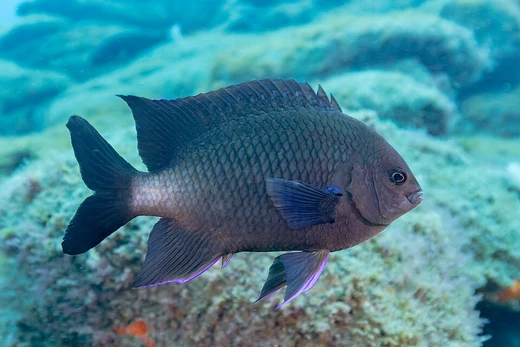
Clownfish are a small subgroup (subfamily Amphiprioninae) within the larger damselfish family Pomacentridae, which encompasses over 300 species of small, colorful reef fish. All clownfish are damselfish, but the vast majority of damselfish are not clownfish.
Why are clownfish so culturally famous?
The 2003 Pixar film Finding Nemo and its sequel Finding Dory introduced the orange-and-white striped Ocellaris clownfish to a global audience. Since then, the name "clownfish" has become a household term far beyond the aquarium hobby.
What is their relationship with sea anemones?
Most clownfish species live in a mutualistic partnership with specific anemone species, gaining protection from predators among the stinging tentacles while providing the anemone with cleaning and nutrients. A specialized mucus coating on the clownfish's skin prevents it from being stung.
How do clownfish determine sex?
All clownfish are born male, and the largest, most dominant individual in a group will change sex to become the breeding female. If that female dies or is removed, the next-largest male will undergo the same sex reversal to take her place.
Where in the wild can you find them?
Clownfish are native to the coral reefs of the Indo-Pacific, ranging from the Red Sea and East African coast across to the Pacific islands. The broader damselfish family has a wider distribution, with species found in tropical and subtropical waters worldwide.
How many species are there?
The Amphiprion genus (true clownfish) contains roughly 28 recognized species, while the entire damselfish family Pomacentridae includes more than 300 species across multiple genera. New species continue to be described from deep-water and remote reef surveys.
Why do clownfish have white stripes?
The white bands are thought to serve as disruptive coloration, breaking up the fish's outline so predators have a harder time targeting a specific body part. The exact pattern also helps individuals of the same species recognize each other among anemone tentacles.
Are they easy to keep in a home aquarium?
Clownfish are among the most popular marine aquarium fish because they are hardy, colorful, and relatively tolerant of varying water conditions. However, they can be quite territorial and aggressive toward other small fish, so tank setup and species selection matter.
How do damselfish behavior differ from clownfish?
Many non-clownfish damselfish are highly territorial over a patch of reef or algae, aggressively chasing away intruders, and some display a brief electric-blue body flash when agitated. Clownfish tend to be more social and group-oriented, clustering around a shared anemone rather than defending a single spot.
Where should a newcomer start learning about them?
A good first step is learning the distinction between the Amphiprion genus and the broader Pomacentridae family, then exploring the anemone partnerships and sex-change behavior that make clownfish unique. Reef-keeping forums, field guides, and nature documentaries focused on the Great Barrier Reef or the Coral Triangle are all useful entry points.