
Richard Barthelmess

via Wikipedia: Randolph Scott · see source
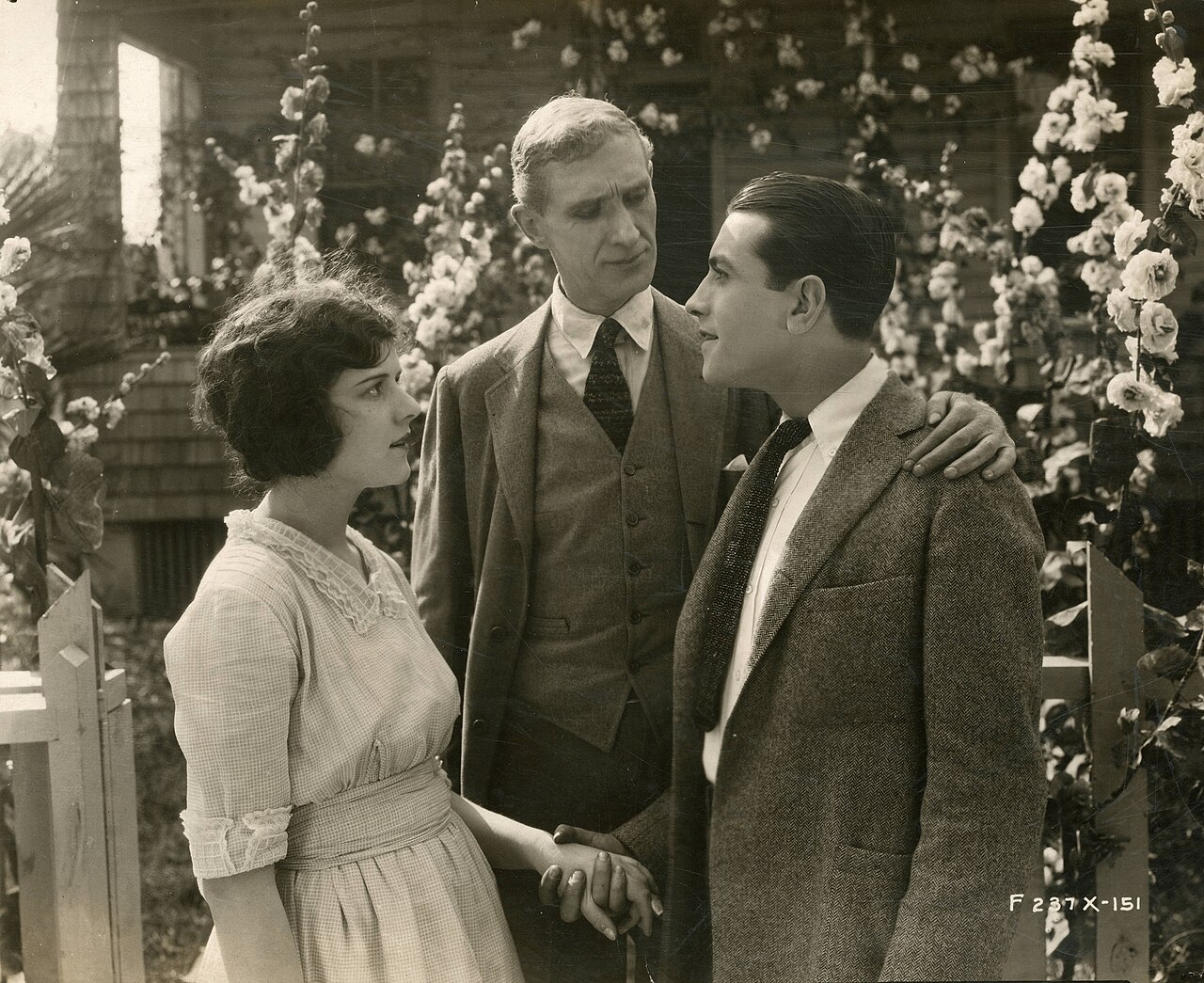
Richard Semler Barthelmess was born in New York City in 1895 to a stage actress mother and a father who died when he was an infant. Growing up in the theatre, he performed small walk-on roles from an early age, while also receiving a formal education at the Hudson River Military Academy and Trinity College. By 1919, he had accumulated five years of stock company experience. A family friend, Russian actress Alla Nazimova, whom his mother had taught English, convinced him to pursue acting professionally. He made his uncredited screen debut in the 1916 serial *Gloria’s Romance* and later appeared in supporting roles opposite Marguerite Clark. His performance in *War Brides* alongside Nazimova caught the attention of director D.W. Griffith, who cast him in important roles, most notably opposite Lillian Gish in *Broken Blossoms* (1919) and *Way Down East* (1920). Barthelmess co-founded the Inspiration Film Company with Charles Duell and Henry King, producing *Tol’able David* (1921), in which he played a teenage mailman discovering courage; the film was a major success. By 1922, *Photoplay* declared him the idol of every girl in America, and fan letters praised his dark hair and soulful eyes. He became one of Hollywood’s highest-paid performers, starring in *The Patent Leather Kid* (1927) and *The Noose* (1928), earning a Best Actor nomination at the first Academy Awards for both films, plus a special citation for producing the former. With the arrival of sound, he continued as a lead in talkies such as *Son of the Gods*, *The Dawn Patrol*, *The Last Flight*, *The Cabin in the Cotton*, and *Heroes for Sale*, often choosing socially conscious material. His popularity faded in the 1930s as he aged out of boyish leads, and he shifted to character roles, notably as Rita Hayworth’s disgraced pilot husband in *Only Angels Have Wings* (1939). He retired from film in 1942, served as a lieutenant commander in the Navy Reserve during World War II at Pearl Harbor, and lived off real estate investments. Barthelmess married three times: to Mary Hay, with whom he had a daughter; briefly engaged to Katherine Young Wilson; and finally to Jessica Stewart Sargent, adopting her son. He died of throat cancer in 1963 in Southampton, New York, and was interred at Ferncliff Cemetery. A founder of the Academy of Motion Picture Arts and Sciences, he received a Hollywood Walk of Fame star
- field
- Film actor
- nationality
- American
- known_for
- Starring in D.W. Griffith's Broken Blossoms and Way Down East; co-founder of the Academy of Motion Picture Arts and Sciences; Academy Award nominee for The Patent Leather Kid and The Noose
Verified Timeline
Quick Facts
- Birth Date
- 1895-05-09
- Birth Place
- New York City, U.S.
- Death Date
- 1963-08-17
- Death Place
- Southampton, New York, U.S.
- Resting Place
- Ferncliff Cemetery
- Education
- Trinity College
- Occupation
- Actor
- Years Active
- 1916–1942
- Spouse
- Mary Hay · 1920 · 1927 · end=divorced / Jessica Stewart Sargent · 1928
- Children
- 2
Facts from the source article.
Lore & Background
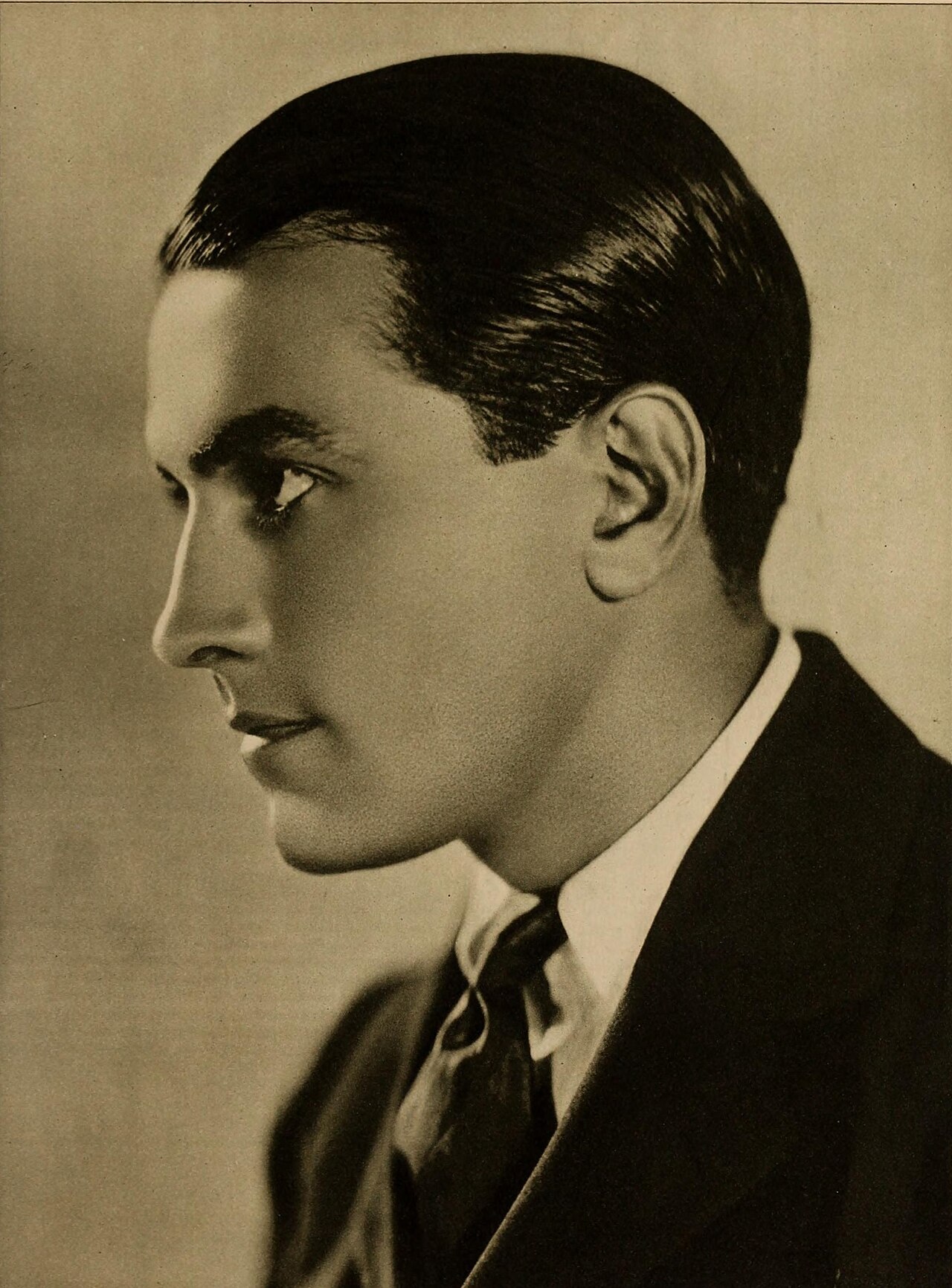
Richard Barthelmess was a strikingly handsome man with black hair and soulful eyes, a combination that made him the idol of many young American women during the 1920s. He stood as a leading man of the silent era, often cast in boyish roles that showcased his earnest, sensitive demeanor. His professional range extended from playing a teenage mailman in *Tol’able David* to portraying a disgraced pilot in *Only Angels Have Wings*. He was a founder of the Academy of Motion Picture Arts and Sciences and received a Best Actor nomination at the first Academy Awards for his work in two films: *The Patent Leather Kid* and *The Noose*. Born in New York City to a stage actress, he grew up around the theatre, performing small walk-on parts from childhood. After his father’s death, he was educated at a military academy and later at Trinity College. He gained five years of stock company experience before making his screen debut as an uncredited extra in 1916. His breakthrough came when his performance in *War Brides* caught the eye of D.W. Griffith, who cast him opposite Lillian Gish in *Broken Blossoms* and *Way Down East*. Barthelmess co-founded his own production company and often selected controversial or socially conscious film projects. He died of throat cancer in 1963 at age 68.
Reader's Guide
Richard Barthelmess was a prominent American film actor whose career spanned the silent and early sound eras. He first gained significant attention for his performances opposite Lillian Gish in two D. W. Griffith films, establishing him as a leading man. Demonstrating entrepreneurial initiative, he co-founded his own production company, which produced the successful feature *Tol'able David*, where he played a teenage mailman. By the early 1920s, he was widely regarded as a major heartthrob, with a large female following drawn to his dark hair and expressive eyes. His popularity translated into high earnings, and he was among the founders of the Academy of Motion Picture Arts and Sciences in 1927. At the first Academy Awards ceremony, he received a Best Actor nomination for his work in two separate films, also earning a special citation for producing one of them. As sound films arrived, he successfully transitioned to talkies, often choosing roles in socially conscious or controversial projects. However, his appeal as a youthful lead diminished over time, and he shifted to character parts, notably playing a disgraced pilot in a later film. After retiring from acting in 1942, he served in the Navy Reserve during World War II and never returned to the screen, instead managing real estate investments. His contributions were later recognized with a star on the Hollywood Walk of Fame and the George Eastman Award.
Did You Know?
- He was nominated for the Academy Award for Best Actor for two films in the same year: The Patent Leather Kid and The Noose.
- He served as a lieutenant commander in the United States Navy Reserve during World War II, stationed at Pearl Harbor Naval Shipyard.
Roots and Upbringing
His father, George Grant Scott, held a distinction that set the household apart: he was the very first person to earn a certified public accountant license in the state of North Carolina. His mother, Lucille Crane Scott, came from a well-to-do North Carolina family rooted in Luray, Virginia. The family's comfortable financial position allowed young Randolph to attend private institutions, including the prestigious Woodberry Forest School. From a remarkably young age he demonstrated a natural gift for physical competition, throwing himself into football, baseball, horse racing, and swimming with equal enthusiasm. This blend of academic privilege and athletic drive would shape the disciplined, self-made quality that later defined his public persona, even as his life trajectory would eventually veer far from the accounting profession his father had championed.
Service in the Great War
There the battalion fought alongside the American Fourth Corps in the Toul sector and the Thiaucourt zone. He arrived in New York on June 6 and was honorably discharged at Camp Mills on June 13. Crucially, the skills he honed in service—horsemanship and firearms proficiency—would prove directly useful in his later screen roles.
The Long Road to the Screen
Scott's path to Hollywood was neither swift nor straightforward. For the next couple of years he survived as an uncredited extra and bit player, appearing in productions such as The Far Call, John Ford's The Black Watch, and Cecil B. DeMille's Dynamite, and even serving as Gary Cooper's dialect coach on The Virginian. On DeMille's recommendation he turned to the stage, working with the Pasadena Playhouse in roles ranging from a minister to Metellus Cimber in Julius Caesar to Hector Malone in Shaw's Man and Superman.
From B-Westerns to Box-Office Royalty
Paramount quickly found Scott's niche. He went on to star in roughly ten low-budget Westerns loosely adapted from Zane Grey novels, some of which were essentially retitled remakes that reused silent-era stock footage. Yet Scott's range extended well beyond the saddle.
Gallery
More in Classic Hollywood Icons 1-24
Related in Classic Hollywood Icons
Links follow this subject's own source article.
Spotted an error? Know more?
This is a living reference — every entry is fact-audited, and reader corrections feed straight into our audit queue. Suggest an edit · See this site's audit record