
Negotiation
Dialogue to resolve differences and reach mutual agreement.

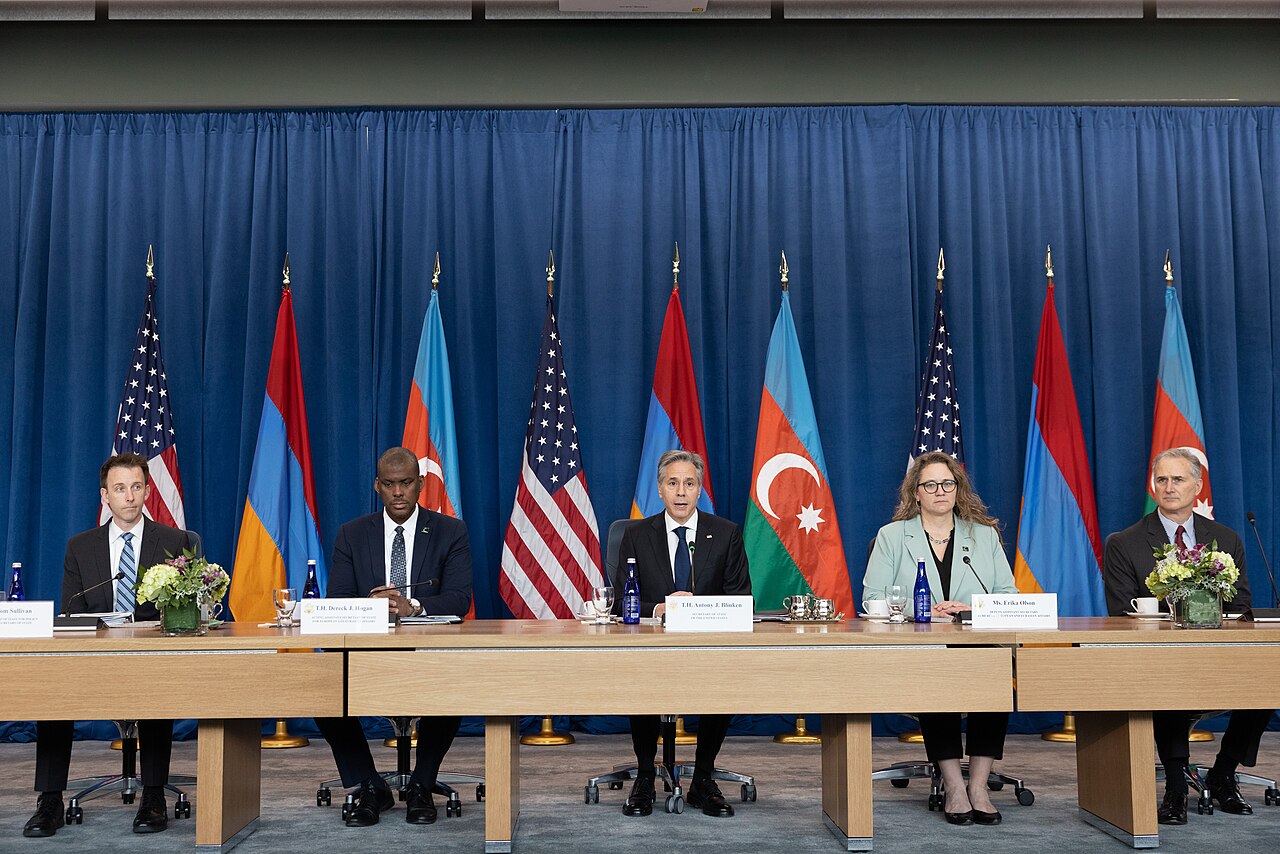
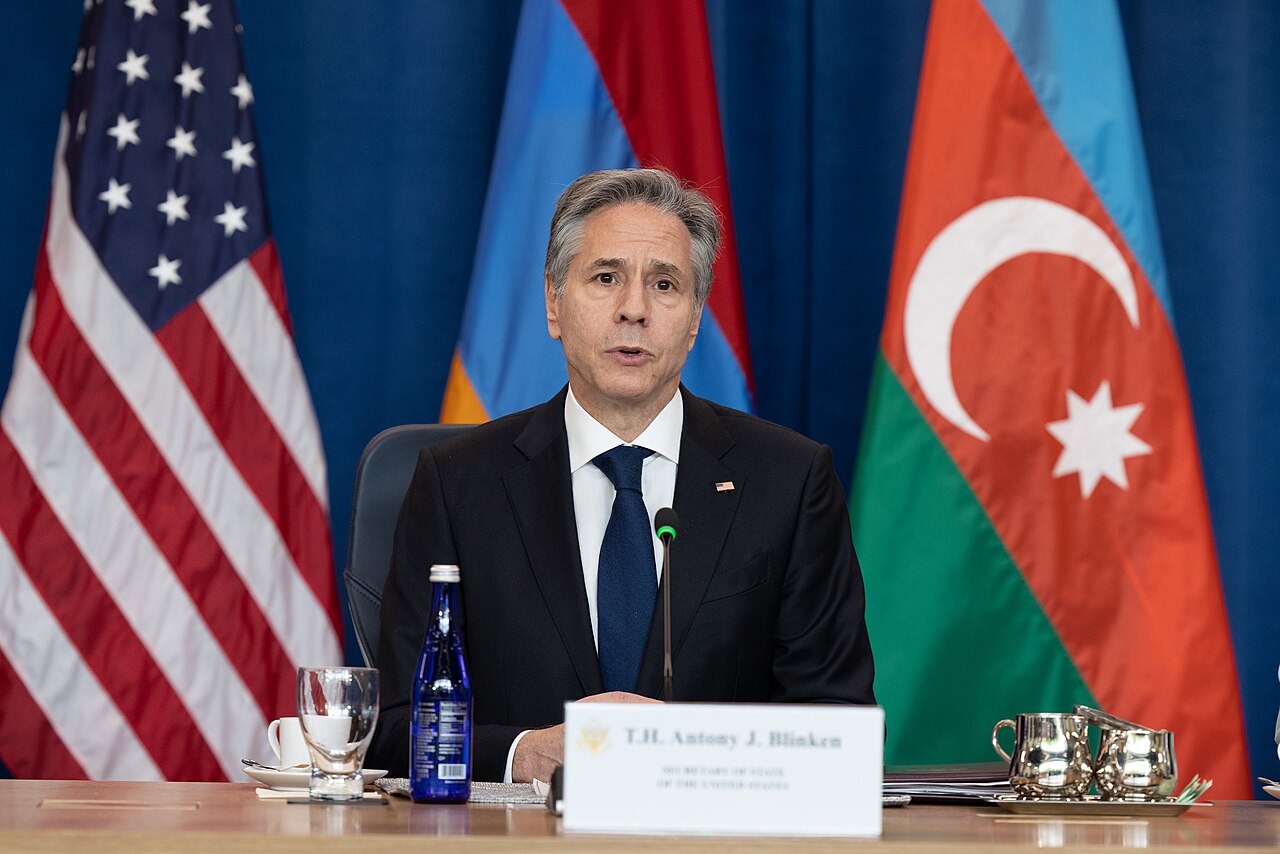
U.S. Department of State · Public domain
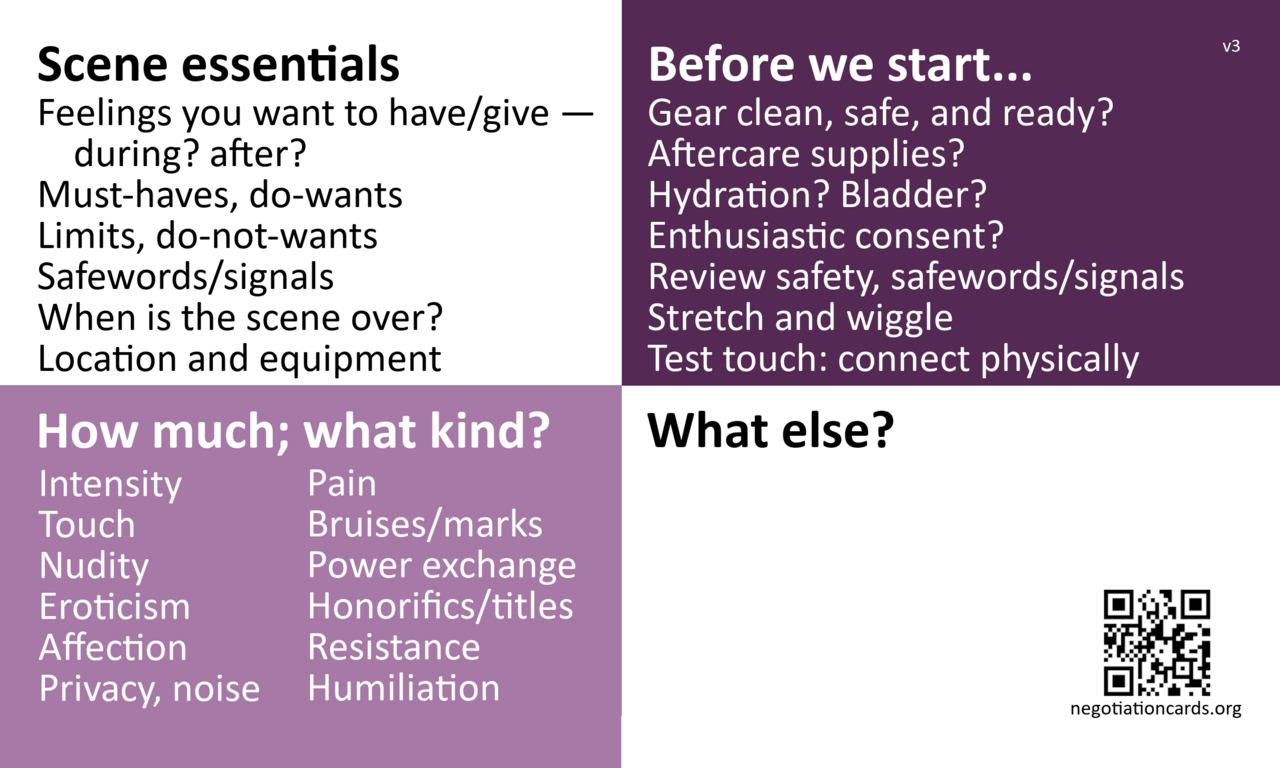
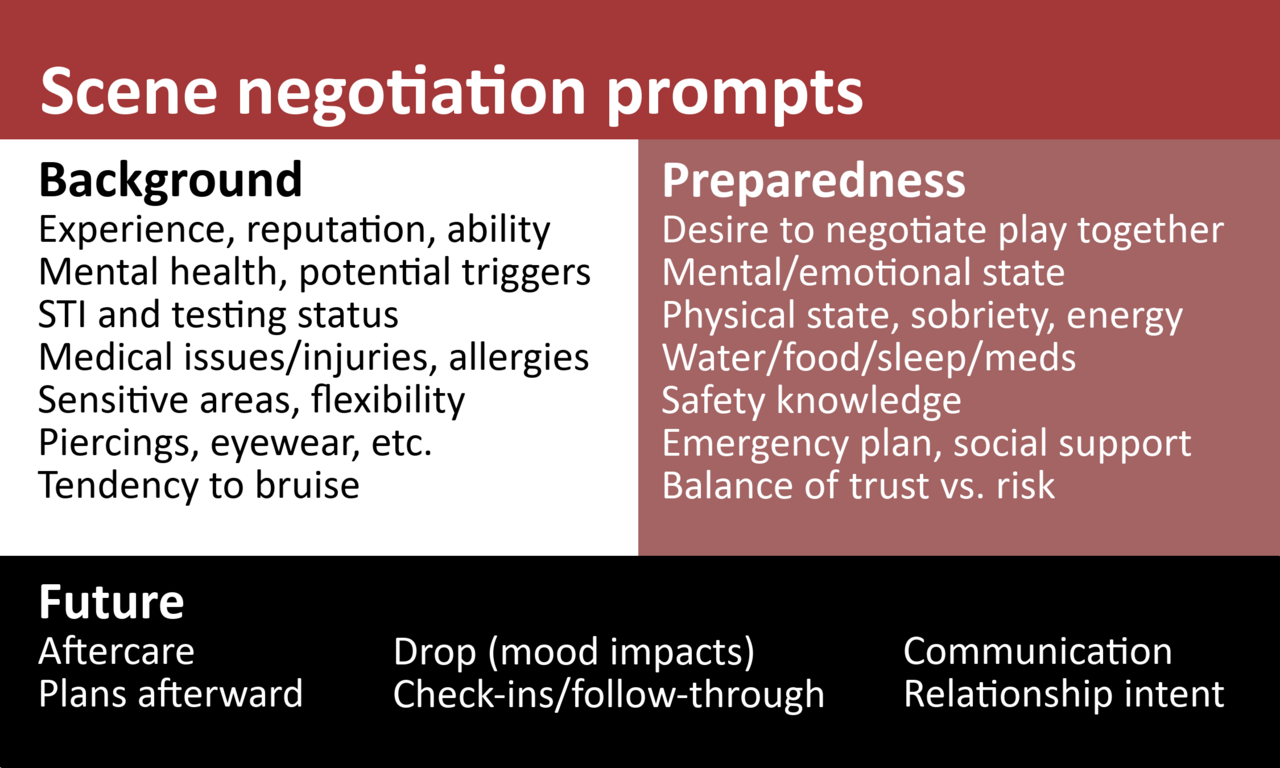
Negotiation is a conversation between two or more people aimed at settling disagreements, securing an advantage for one side or a group, or reaching results that address different interests. The goal is for the parties to find common ground on issues that matter to them. The outcome may benefit everyone involved or just some of them. To improve their chances of making a deal, avoiding conflict, building connections, or increasing shared gains, negotiators need to clarify what they themselves need and want, while also grasping what the other parties are after. In distributive negotiations—often called compromises—each side states a position and then makes concessions to reach an agreement. How much the parties trust one another to follow through on the deal is a key factor in whether the negotiation succeeds.
People negotiate every day, often without realizing it. These exchanges happen in organizations like businesses, nonprofits, and governments, as well as in buying and selling, legal cases, and personal matters such as marriage, divorce, parenting, and friendships. Some negotiators are specialists. Examples include union negotiators, leveraged buyout negotiators, peace negotiators, and hostage negotiators. They may also go by other titles, such as diplomats, legislators, or arbitrators. Negotiations can even be carried out by algorithms or machines, a practice called automated negotiation, which requires accurate modeling of both the participants and the process.
**Etymology** The term “negotiation” first appeared in the early 1400s, coming from the Old French *negociacion*, which itself came from the Latin *negotiatio*, derived from *neg-* (meaning “no”) and *otium* (meaning “leisure”). These roots originally referred to “business, trade, traffic.” By the late 1570s, the word had taken on the meaning “to communicate in search of mutual agreement,” marking a shift from simply conducting business to bargaining over it.
**Types** Negotiation takes many forms depending on the context. It can involve United Nations conferences to set international rules, meetings between warring sides to end a conflict, business representatives coming together to finalize a deal, or parents discussing how to handle childcare. Mediation is a type of negotiation where a third party assists the conflicting sides, usually because they cannot negotiate on their own. This differs from arbitration, where the parties agree to accept a third party’s decision. Workplace negotiations can affect an entire organization’s performance.
Negotiation theorists generally recognize two main types: distributive and integrative. Which type occurs depends on the negotiators’ mindset and the situation. For instance, one-off encounters where no lasting relationship exists tend to lead to distributive negotiation, while ongoing relationships usually call for integrative negotiation. Theorists do not always agree on the exact labels or definitions for these two categories.
**Distributive negotiation** The total benefits and drawbacks to be divided in a negotiation can be thought of as a “negotiation pie.” The process can cause this pie to grow, shrink, or stay the same. If the parties can expand the pie, a win-win outcome becomes possible, provided both sides gain from the expansion. In practice, this approach is often hindered by the “small pie bias,” where people psychologically underestimate the pie’s size. Similarly, the “incompatibility bias” can lead to underestimating the chance to enlarge it. On the other hand, the pie may also shrink during negotiations, for example due to high negotiation costs.
Distributive negotiation—also called win-lose, compromise, positional, or hard-bargaining negotiation—aims to split a fixed set of benefits. It operates under zero-sum conditions, meaning any gain for one party comes at the other’s expense. Haggling over prices in an open market, like buying a car or a house, is a typical example. In this type, each side often takes an extreme or rigid position they know won’t be accepted, then tries to give up as little as possible before reaching a deal. Distributive bargainers see negotiation as dividing a fixed amount of value. This form usually involves people who have not had a prior relationship and are unlikely to have one soon, though nearly all negotiations contain some distributive element. Because prospect theory shows that people focus more on avoiding losses than on gaining benefits, distributive negotiation tends to be more hostile and less likely to produce an agreement.
**Integrative negotiation** Integrative negotiation goes by names like interest-based, merit-based, win-win, or principled negotiation. It uses techniques to improve both the quality and the likelihood of reaching an agreement by recognizing that different parties often value different outcomes. While distributive negotiation assumes a fixed amount of value to be divided, integrative negotiation tries to create value during the process—expanding the pie—by, for example, trading off one item for another (logrolling) or by constructing new options.
- field
- Communication, Conflict Resolution, Business
- known_for
- Dialogue to resolve differences and reach mutual agreement
- types
- Distributive, Integrative, Text-based, Integrated, Mediation
Lore & Background
The word 'negotiation' originated in the early 15th century from Old French negociacion, from Latin negotiatio, combining neg- 'no' and otium 'leisure,' meaning 'business, trade, traffic.' By the late 1570s, it had shifted to mean 'to communicate in search of mutual agreement.' Negotiation can take various forms, including conferences between United Nations members, meetings between combatants to end military conflict, business transactions, and conversations between parents about childcare. Mediation is a form where a third party helps conflicting parties negotiate, contrasted with arbitration where parties commit to accepting a third party's decision.
Reader's Guide
Negotiation is a fundamental process in human interaction, ranging from daily personal exchanges to high-stakes international diplomacy. The source article distinguishes two primary types: distributive negotiation, which operates under zero-sum conditions with a fixed pie of benefits, and integrative negotiation, which attempts to expand the pie through trade-offs and creative problem-solving. The success of a negotiation depends heavily on trust between parties and the ability to understand each other's needs. Professional negotiators include union negotiators, peace negotiators, hostage negotiators, diplomats, legislators, and arbitrators. Automated negotiation, conducted by algorithms or machines, requires correct modeling of participants and process. The principle that 'nothing is agreed until everything is agreed' is often used in complex negotiations like those in the World Trade Organization.
Did You Know?
- The word 'negotiation' originated from Latin neg- 'no' and otium 'leisure,' meaning 'business, trade, traffic.'
- Distributive negotiation is also known as win-lose game, compromise, or hard-bargaining negotiation.
- Integrative negotiation attempts to 'expand the pie' by compensating losses with gains from another item.
- Mediation involves a third party helping conflicting parties negotiate when they cannot do so alone.
Gallery

Frequently Asked Questions
Who is Negotiation?
In the Civil Law And Remedies canon, Negotiation is the structured conversation through which two or more parties settle disputes, secure favorable terms, or design outcomes that address multiple stakeholders' needs. It shows up in court-adjacent settings, corporate dealings, and everyday personal matters such as family arrangements.
What are Negotiation's powers/role?
Its core function is to guide conflicting parties toward a mutually acceptable agreement without a judge or arbitrator imposing a verdict. It operates as a voluntary, dialogue-driven mechanism for resolving differences and crafting either binding or non-binding outcomes.
How does Negotiation's story end?
The arc concludes when the parties either reach a settlement that satisfies their respective interests or walk away when no acceptable compromise can be found. In legal proceedings, a successful negotiation often replaces full litigation, saving time and cost for everyone involved.
Why is Negotiation important?
It is the primary tool in civil law for resolving disputes efficiently because it preserves party autonomy and allows tailored solutions a court could never order. Its constant presence in business, family law, and organizational settings makes it one of the most frequently exercised remedies in practice.
What types or forms does Negotiation take?
The canon recognizes several modes, including distributive (zero-sum) bargaining, integrative (value-creating) bargaining, text-based exchanges, integrated approaches, and mediation-facilitated sessions. Each form suits different conflict dynamics and stakeholder configurations.
More in Civil Law And Remedies 1-20
Spotted an error? Know more?
This is a living reference — every entry is fact-audited, and reader corrections feed straight into our audit queue. Suggest an edit · See this site's audit record