
Agra
Mughal capital and home of the Taj Mahal.

Diego Delso · CC BY-SA 4.0
Agra is a city situated on the banks of the Yamuna River in the Indian state of Uttar Pradesh, lying within the Western Uttar Pradesh and Braj regions. It is the fourth-most populous city in the state, with a population of approximately 1.6 million, and ranks as the twenty-third most populous in India. The city’s historical significance is rooted in two distinct phases: an ancient settlement on the river’s eastern bank, linked to Hindu mythology and the Mahabharata, and a modern city founded by the Mughals on the western bank. The earlier settlement was largely destroyed by Mahmud of Ghazni and was described as a village before the reign of Sikandar Khan Lodi. In 1504–1505, Sultan Sikandar Lodi of the Delhi Sultanate rebuilt Agra on the eastern bank, making it his capital and a major center of Islamic learning. After his death, his son Ibrahim Lodi ruled from Agra until his defeat by Babur at the First Battle of Panipat in 1526.
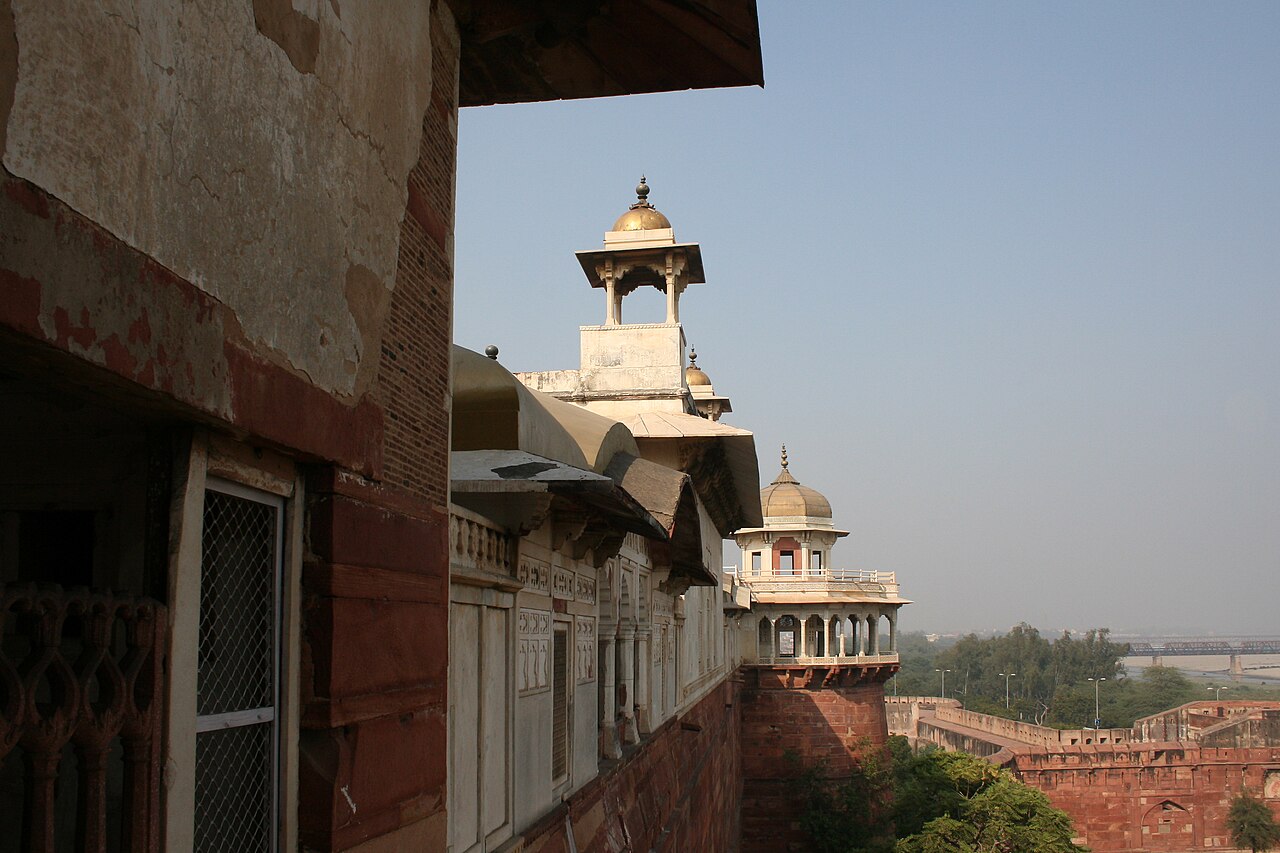
The Mughal era marked Agra’s golden age. Babur, the dynasty’s founder, took the city and laid out the Aram Bagh, the first formal Mughal garden in India. Agra became the foremost city of the subcontinent and the capital of the Mughal Empire under Babur, Humayun, Akbar, Jahangir, and Shah Jahan, until Aurangzeb moved the court to Delhi in 1658. During this period, the city flourished as a hub of learning, arts, commerce, and religion. Major constructions included the Agra Fort, the Sikandra complex, and the Taj Mahal, built between 1632 and 1648 by Shah Jahan in memory of his wife Mumtaz Mahal. The city was also known as Akbarabad, a name given by Shah Jahan in honor of his grandfather. After the Mughal decline, Agra fell to the Marathas and later to the East India Company. Post-independence, it developed into an industrial center with a strong tourism industry, alongside manufacturing of footwear and leather goods. The Taj Mahal and Agra Fort are UNESCO World Heritage Sites. Agra has a climate of mild winters, hot dry summers, and a monsoon season, and is renowned for its Mughlai cuisine. It forms part of the Golden Triangle tourist circuit with Delhi and Jaipur, and the Uttar Pradesh Heritage Arc with Lucknow and Varanasi. The origin of the name “Agra” is uncertain; the most accepted derivation is from the Hindi word for salt pan, referring to the region’s brackish soil, while another links it to a Sanskrit term meaning “front” or
- population
- roughly 1.6 million
- state
- Uttar Pradesh, India
- notable_period
- Mughal era, early 16th to mid-17th century
- known_for
- Taj Mahal, Agra Fort, Mughal capital
- UNESCO_sites
- Taj Mahal and Agra Fort
Lore & Background
Under Sikandar Lodi, Agra was rebuilt and made the seat of government, growing into a large, flourishing town with a royal presence and becoming a major center of Islamic learning. The Mughal golden age began when Babur acquired the city after defeating the Lodis. Babur laid out the first formal Mughal garden in India, the Aram Bagh, on the banks of the Yamuna. Agra became the foremost city of the subcontinent and the capital of the Mughal Empire under Babur, Humayun, Akbar, Jahangir, and Shah Jahan. During this period, it was a center for learning, arts, commerce, and religion. Key monuments from this era include the Agra Fort, Sikandra, and the Taj Mahal, built by Shah Jahan for his wife Mumtaz Mahal. After the Mughal decline, the city fell to the Marathas and later the East India Company. Post-independence, Agra developed into an industrial town with a booming tourism industry, footwear, leather, and other manufacturing. The city is part of the Golden Triangle tourist circuit with Delhi and Jaipur, and the Uttar Pradesh Heritage Arc with Lucknow and Varanasi. It is famous for its Mughlai cuisine and features mild winters, hot dry summers, and a monsoon season.
Reader's Guide
Agra's significance lies in its role as the foremost city of the Indian subcontinent during the Mughal Empire, a period that produced enduring architectural and cultural landmarks. The Taj Mahal and Agra Fort are UNESCO World Heritage Sites, drawing global tourism. The city is part of the Golden Triangle tourist circuit with Delhi and Jaipur, and the Uttar Pradesh Heritage Arc with Lucknow and Varanasi. After independence, Agra developed into an industrial town with a booming tourism industry, along with footwear, leather, and other manufacturing. Its Mughlai cuisine is famous, and its climate features mild winters, hot dry summers, and a monsoon season. The name Agra may derive from the Hindi word for salt pan, referring to the region's brackish soil, or from Sanskrit meaning 'front' in reference to forests associated with Krishna.
Did You Know?
- The name Agra may derive from the Hindi word 'agar' meaning salt pan, due to the region's brackish soil.
- During the Mughal era, Agra was also known as Akbarabad, a name coined by Shah Jahan in honor of his grandfather Akbar.
- Agra is part of the Golden Triangle tourist circuit, along with Delhi and Jaipur.
The Mughal Capital
Agra's most celebrated chapter unfolded when the Mughal dynasty took hold of the city in the early sixteenth century. Babur himself was drawn to the Yamuna's banks, where he planted the Aram Bagh, India's first formal Mughal garden, though his memoirs reveal he nearly abandoned the plan, repelled by the arid, waterless landscape. Under successive emperors—Humayun, Akbar, Jahangir, and Shah Jahan—Agra rose to become the preeminent city of the subcontinent and the seat of imperial power. It pulsed with scholarship, artistic production, trade, and religious life.
Monuments of a Golden Age
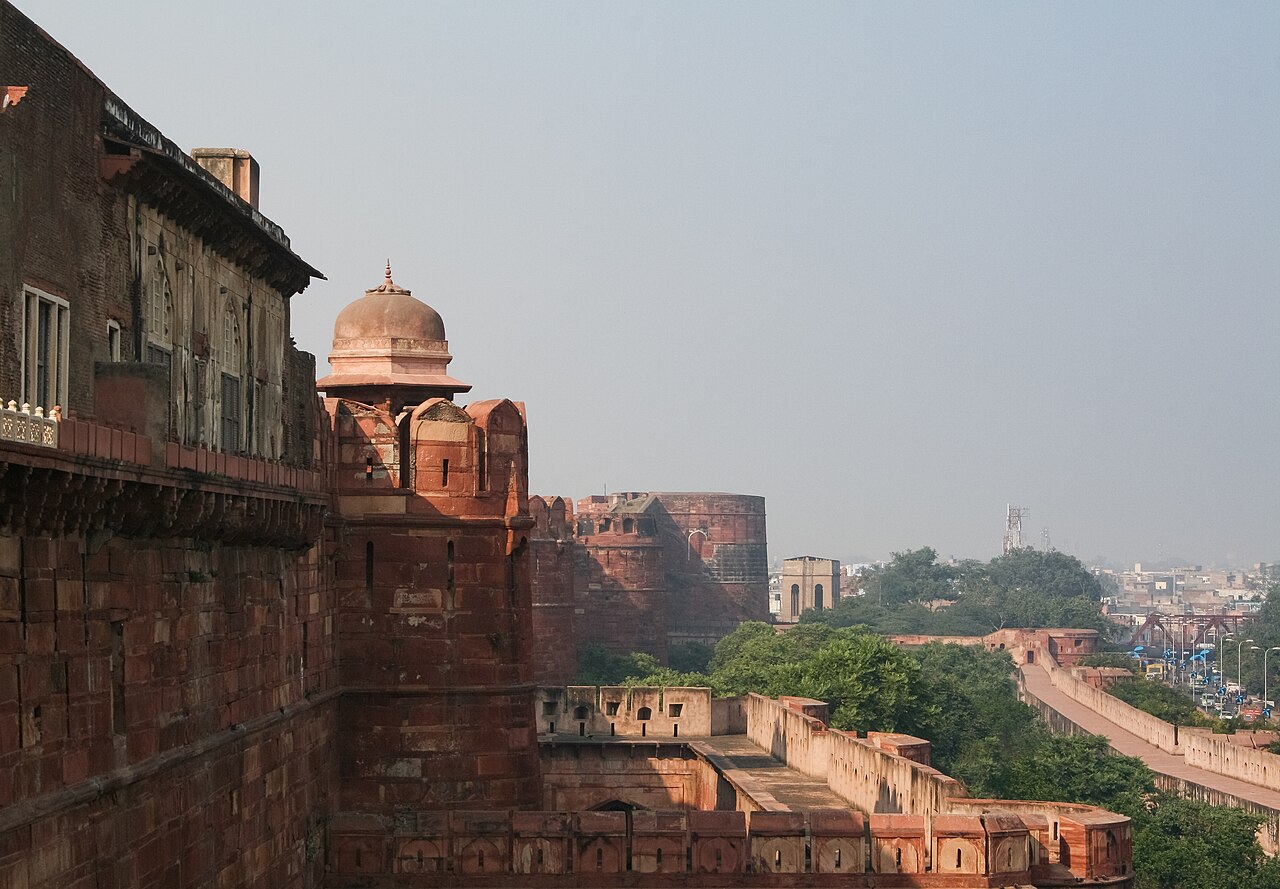
Among Agra's enduring treasures, the Taj Mahal stands as the crown jewel. Alongside the Taj, the massive Agra Fort and the red-sandstone complex at Sikandra form a constellation of structures that together earned UNESCO World Heritage recognition for the Taj Mahal and the Fort. The Aram Bagh, laid out by Babur on the Yamuna's edge, is recognized as the first formal Mughal garden on Indian soil. Together these sites trace a continuous thread of imperial ambition, personal grief, and artistic mastery that made Agra the cultural heart of the subcontinent for over a century.
Two Cities, One River
Agra's geography tells a story of two distinct urban identities divided by the Yamuna. The ancient settlement on the eastern, or left, bank carries echoes so old they dissolve into the mythic world of Krishna and the Mahabharata. A 17th-century chronicler, Abdullah, recorded that before Sultan Sikandar Lodi's era the site was little more than a village, and the fort had even served as a prison for the king of Mathura. The city's fortunes were shattered by Mahmud of Ghazni's assault, after which its status declined for generations. Both banks together compose the layered identity of a city that has been rebuilt, conquered, and reinvented across millennia.
Agra Today: Industry, Tourism & Identity
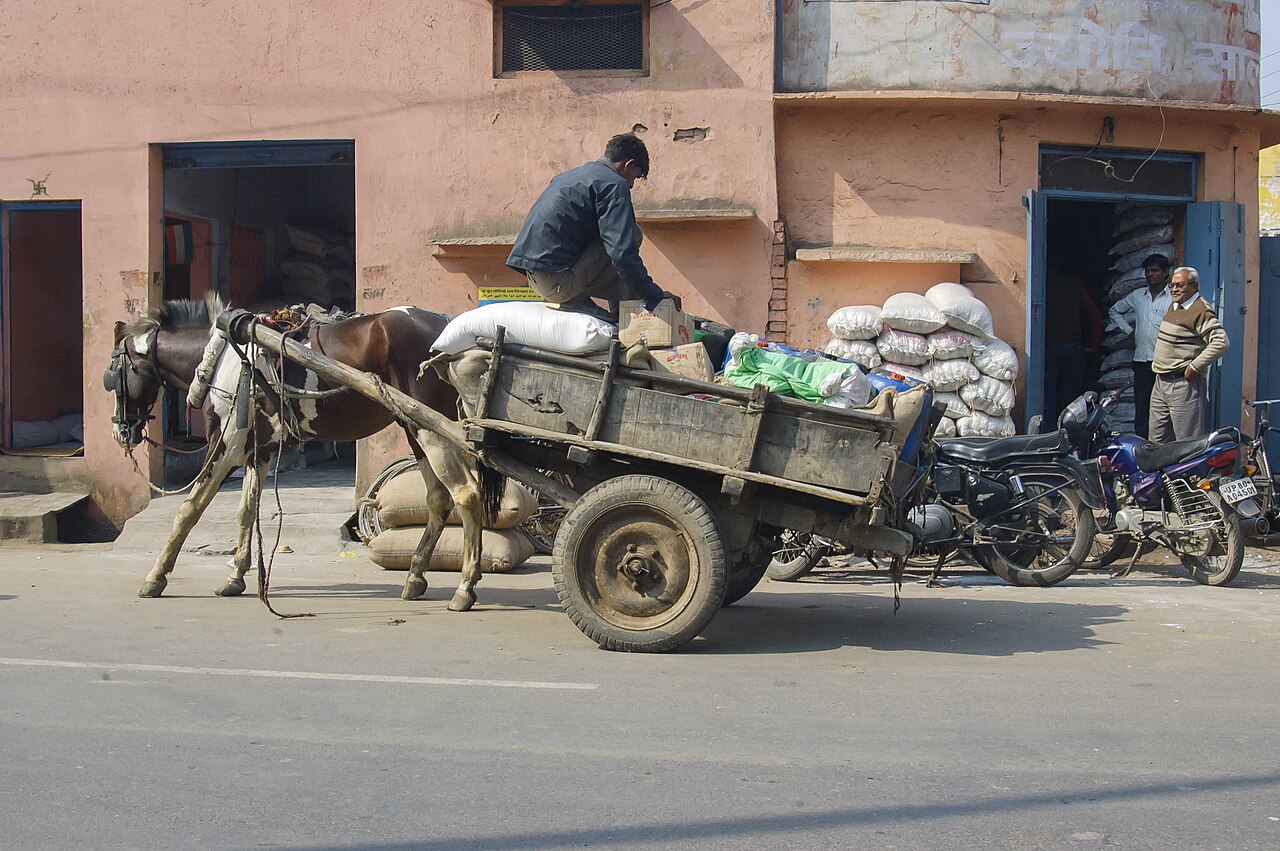
The city belongs to the Braj region and experiences mild winters, scorching dry summers, and a distinct monsoon season. Since independence, Agra has evolved into a vibrant industrial hub, with manufacturing in footwear, leather, and other goods running parallel to a booming tourism sector. It anchors two major tourist circuits: the Golden Triangle alongside Delhi and Jaipur, and the Uttar Pradesh Heritage Arc together with Lucknow and Varanasi. The city is also celebrated for its Mughlai cuisine, a culinary echo of its imperial past. As for its name, the most widely accepted origin is the Hindi word agar, meaning salt pan, a reference to the brackish soil where salt was once harvested by evaporation; an alternative reading ties it to the Sanskrit agra, 'front,' evoking the first grove where Krishna played with the gopis of Vrindavan.
Gallery
Frequently Asked Questions
What is Agra?
Agra is a riverbank city in western Uttar Pradesh, India, sitting along the Yamuna in the Braj region. It is home to roughly 1.6 million residents and is best recognized for its extraordinary Mughal-era architecture.
What is Agra most famous for?
Agra is globally synonymous with the Taj Mahal and Agra Fort, two UNESCO World Heritage Sites that anchor the city's identity. These Mughal monuments make it one of the most photographed and visited destinations in the world.
What historical role did Agra play?
Agra functioned as the capital of the Mughal Empire from the early 1500s through the mid-1600s, serving as the seat of power for five successive emperors: Babur, Humayun, Akbar, Jahangir, and Shah Jahan. During that span it was the political and administrative heart of one of the era's largest empires.
Why is Agra important to city fans and travelers?
Agra's dense cluster of Mughal monuments gives it a unique architectural legacy that few other cities can match. Its two UNESCO-listed sites draw millions of visitors annually who come to study, photograph, and experience the peak of Mughal design.
Where exactly is Agra located?
Agra sits on the banks of the Yamuna river in the Indian state of Uttar Pradesh, specifically in the western portion of the state within the broader Braj cultural region.
More in Cities Of The World 1-24
Spotted an error? Know more?
This is a living reference — every entry is fact-audited, and reader corrections feed straight into our audit queue. Suggest an edit · See this site's audit record