Legend of the Demon Cat
A cat's revenge unravels a Tang dynasty tragedy.

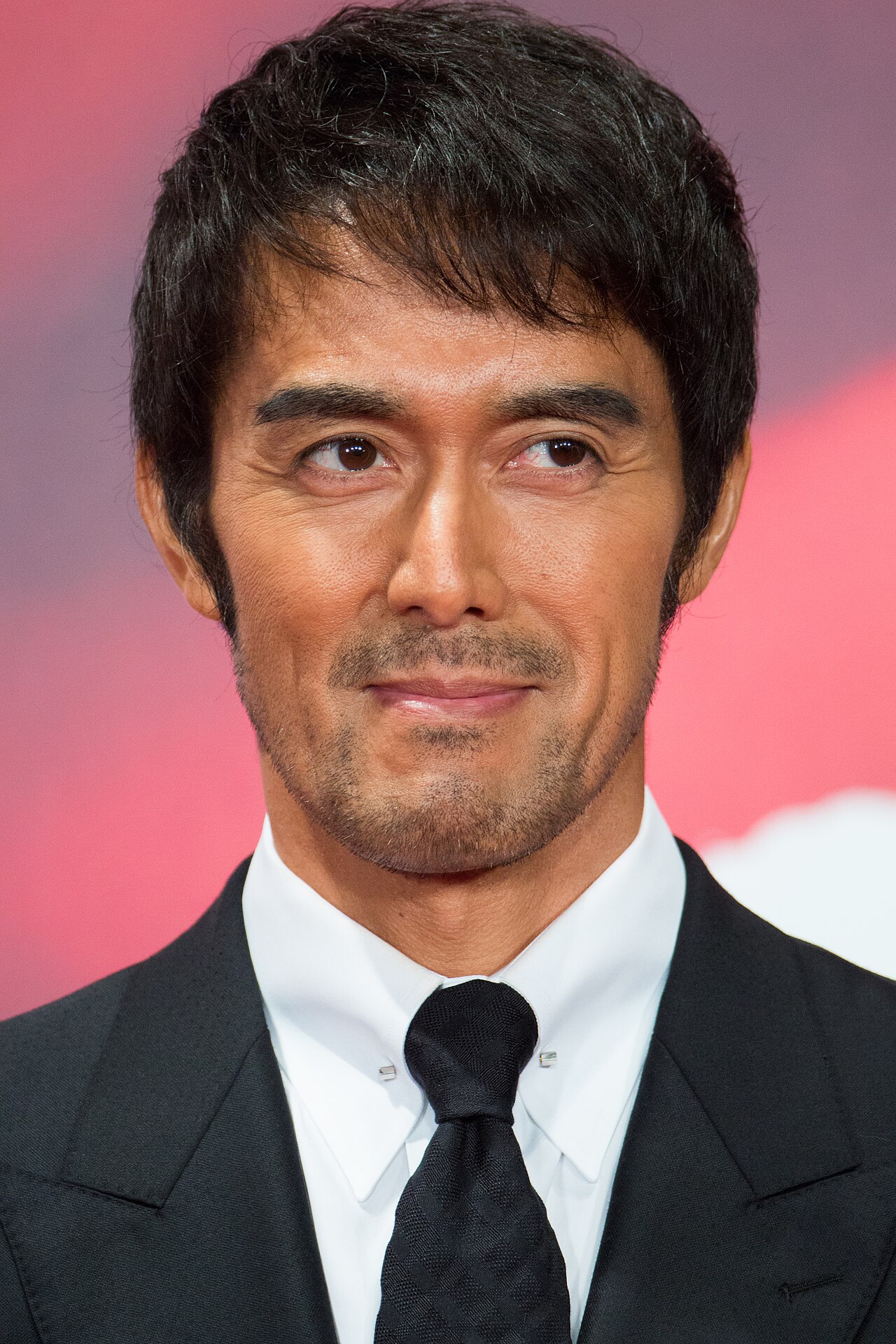
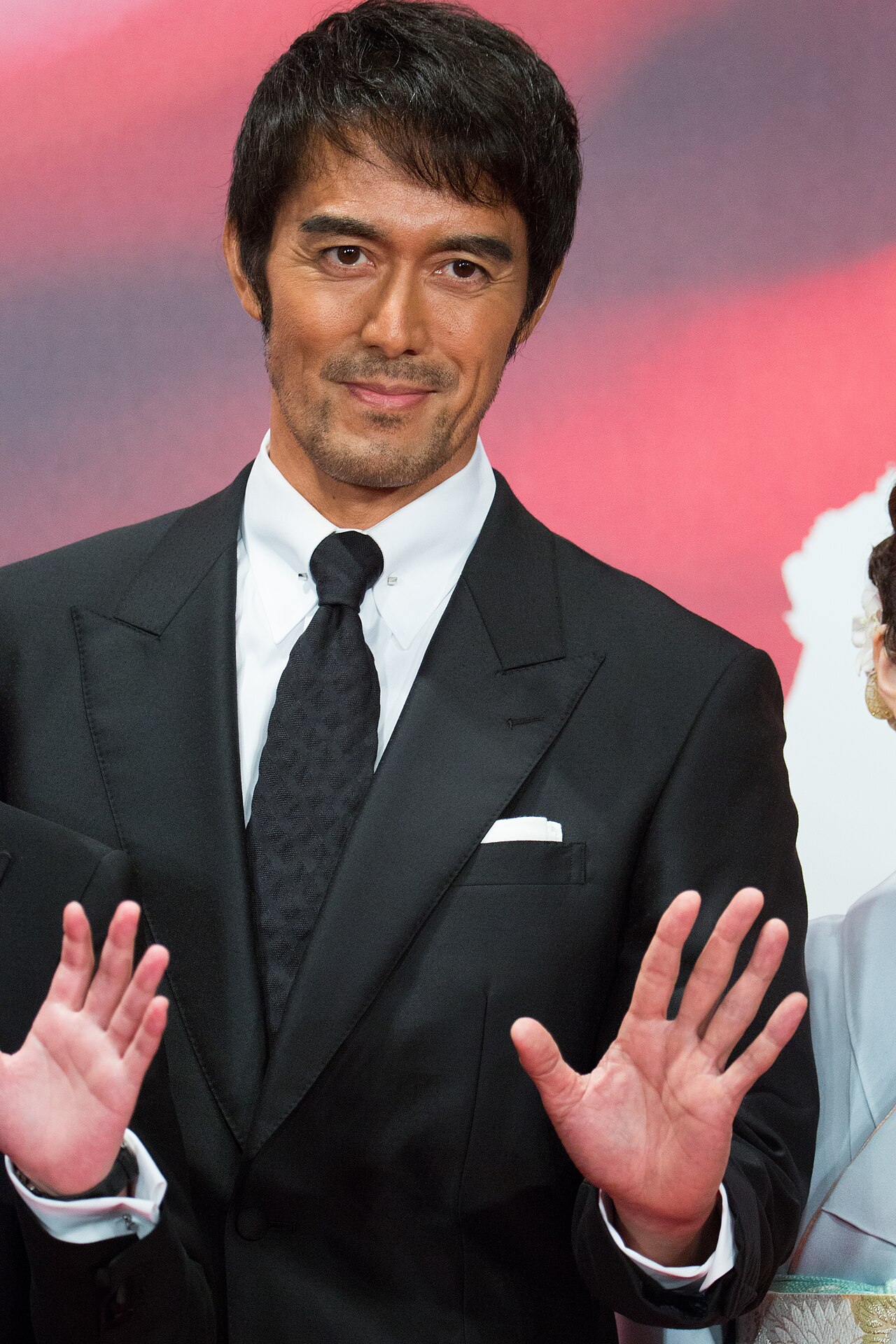
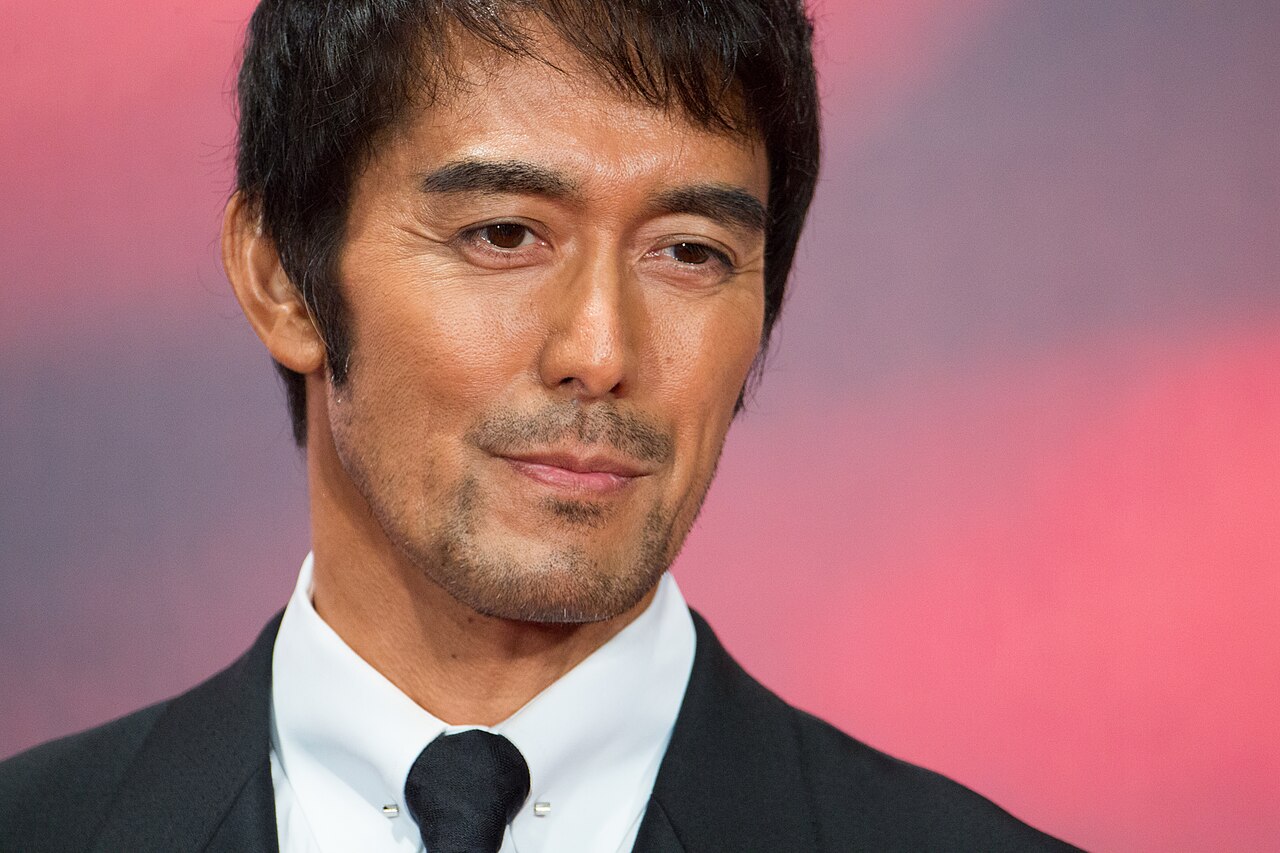
Dick Thomas Johnson from Tokyo, Japan · CC BY 2.0
Legend of the Demon Cat (Chinese: 妖猫传; pinyin: Yāomāo chuán) is a fantasy mystery film co-produced by China and Japan, directed by Chen Kaige and based on the Japanese novel 'The Night of the Demon Cat' (沙門空海唐の国にて鬼と宴す) by Baku Yumemakura. The story reimagines the tragic romance between Emperor Xuanzong and Lady Yang, following court scribe Bai Letian and Japanese monk Kūkai as they investigate the consort’s death during the An Lushan Rebellion. The film premiered in China on December 22, 2017.
Set in Chang’an in AD 805, the plot begins when Chunqin, wife of imperial guard commander Chen Yunqiao, meets a talking black cat in her garden while eating a pear. The cat gives her a pot of coins in exchange for sharing the fruit. Meanwhile, Kūkai, a Japanese monk serving as a Kentōshi, is called to the imperial palace to exorcise Emperor Dezong, but the emperor dies suddenly as a cat wails. Court scribe Bai Letian, whose job is to record the emperor’s daily actions, is ordered to report the death as illness. As the two leave the palace, Kūkai senses a cat, and they find a wooden tablet that rises by itself, bearing the message: “The emperor is dead. Li Song is next,” threatening the crown prince.
Bai doubts Kūkai’s claim that a cat is behind the terror, having never seen one in the palace during his three years of service. That night, Bai sneaks into the cat's lair under a tree to retrieve a brocade pouch containing a lock of Lady Yang’s hair, hoping to prove the emperor’s lasting sorrow over her loss. Palace guards are distracted by a cat’s sudden appearance, allowing Bai to escape. Impressed by Kūkai’s insight, Bai befriends him; Kūkai’s dry wit contrasts with Bai’s lively nature. Bai shares his ambition to write an epic poem, Song of Everlasting Sorrow, about Xuanzong and Lady Yang. Kūkai reveals he came to China to study under Huiguo, abbot of the Great Qinglong Temple, but has been denied entry. Wandering the streets, they watch a street magician’s illusion and then encounter imperial guards led by Chen Yunqiao, who, enriched by the cat’s gift, is treating his men at a brothel.
Hearing rumors of a talking cat at Chen’s home, Bai and Kūkai follow him to the brothel, where the demon cat attacks the guards, telling Chen that “debts must be paid.” The next night, the cat possesses Chunqin at Chen’s house.
Quick Facts
- Based On
- Baku Yumemakura
- Screenplay
- Chen Kaige · Wang Hui-ling
- Starring
- Huang Xuan · Shōta Sometani
- Cinematography
- Cao Yu
- Music
- Klaus Badelt · Anne-Kathrin Dern · Misha Segal
- Director
- Chen Kaige
- Producer
- Kao Shirley
- Production Companies
- New Classics Media · Kadokawa · Emperor Motion Pictures · zh · 英皇電影 · Shengkai Film
- Distributor
- Emperor Motion Pictures, Moonstone Entertainment (present) · QC Media (China) · Toho, Kadokawa (Japan) · Parkway Management (Hong Kong)
- Runtime
- 129 minutes
- Country
- China · Japan · Hong Kong
- Language
- Mandarin · Japanese
Facts from the source article.
Lore & Background
The film opens in AD 805 in Chang’an, where Chunqin, wife of imperial guard commander Chen Yunqiao, shares a pear with a talking black cat and receives a pot of coins. Meanwhile, Japanese monk Kūkai is summoned to exorcise Emperor Dezong, who dies amid a cat’s wail. Court scribe Bai Letian is ordered to record the death as illness. Kūkai and Bai discover a floating wooden tablet threatening the crown prince, and Bai later retrieves a lock of Lady Yang’s hair from the cat's lair under a tree, believing it proves Emperor Xuanzong’s everlasting sorrow.
The demon cat attacks Chen Yunqiao and possesses his wife, revealing it was Xuanzong’s pet, buried alive on the emperor’s orders—an act carried out by Chen’s father. The cat escaped but later died from being buried alive, with poisoned fish as a secondary cause. Its resentment festered into a vengeful spirit. The film also reveals that Lady Yang was not strangled by Gao Lishi; instead, a eunuch under orders performed the strangling, while Gao Lishi administered an acupuncture-induced death-like sleep.
Reader's Guide
Legend of the Demon Cat offers a surreal reimagining of one of China’s most famous historical romances, blending fantasy, mystery, and historical tragedy. The film’s significance lies in its exploration of how power, love, and betrayal intersect, as the demon cat’s revenge exposes the hidden truth behind Lady Yang’s death. By framing the story through the investigative partnership of Bai Letian and Kūkai, the film examines the nature of historical record and poetic memory, contrasting official accounts with buried realities. The cat’s perspective challenges the romanticized version of the emperor’s sorrow, revealing a more complex and brutal narrative. The film also highlights the role of outsiders—a Japanese monk and a court scribe—in uncovering suppressed history. Its legacy includes its visual spectacle and its adaptation of Baku Yumemakura’s novel, contributing to cross-cultural storytelling between China and Japan. The film premiered in China on December 22, 2017, and remains notable for its ambitious narrative structure and its meditation on the cost of imperial power.
Did You Know?
- The film is based on a Japanese novel series by Baku Yumemakura.
- The demon cat was originally Emperor Xuanzong’s pet, buried alive on the emperor’s orders.
- Lady Yang died twice: first from a death-like sleep induced by acupuncture, then from suffocation in her tomb.
- The cat’s revenge targets the Tang royal house and the Chen family because Chen Yunqiao’s father buried the cat alive.
A Sino-Japanese Fantasy Reimagining
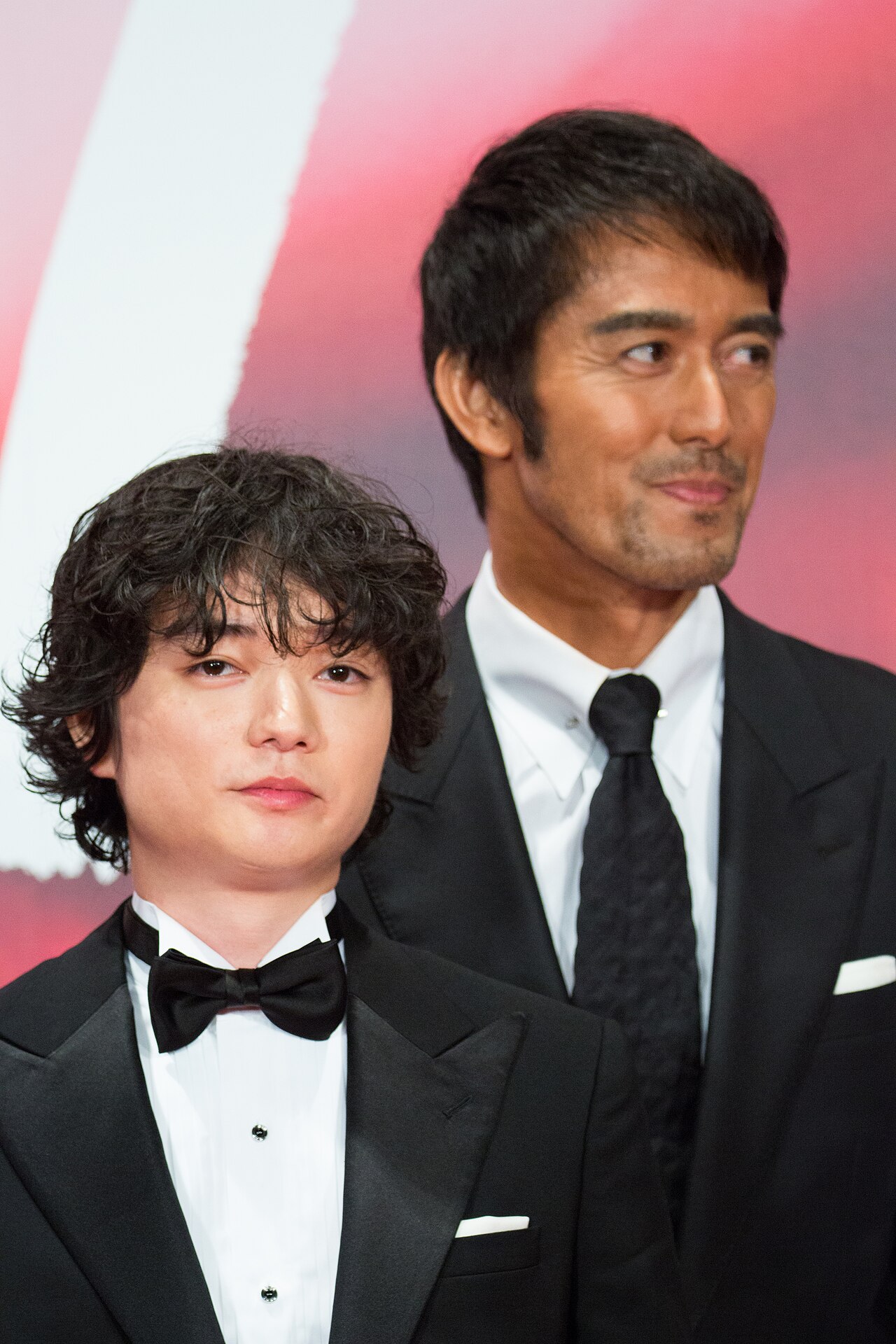
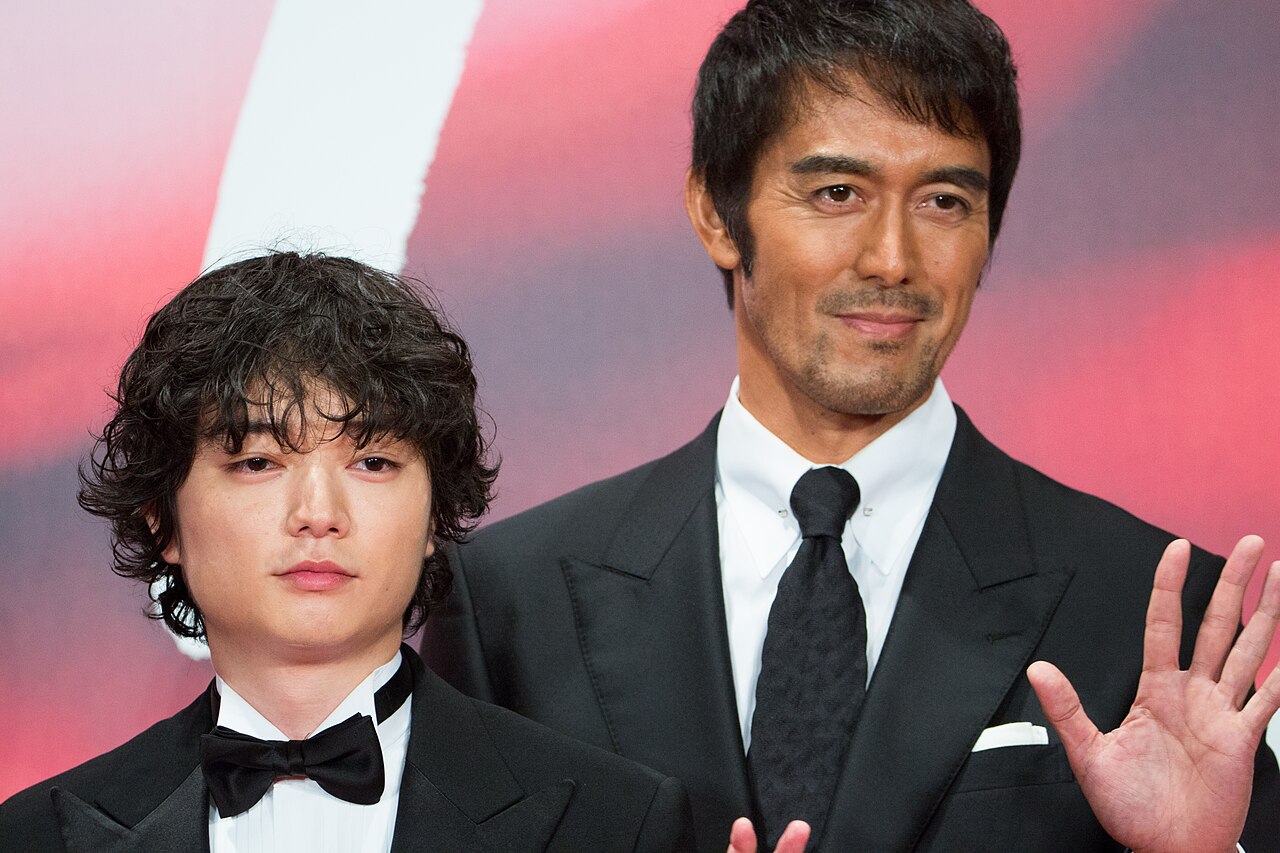
Legend of the Demon Cat (Yāomāo chuán) stands as a striking example of cross-cultural cinematic collaboration, uniting Chinese director Chen Kaige with the Japanese literary world. The film adapts Baku Yumemakura's novel series into a surreal fantasy mystery set against the backdrop of the Tang dynasty. Its central premise reimagines the well-known tragic romance between Emperor Xuanzong and his beloved consort Lady Yang, filtering that historical love story through the lens of supernatural investigation and political intrigue during the devastating An Lushan Rebellion. The project brought together a bilingual cast: Huang Xuan portrays Bai Letian, a court scribe driven by literary ambition, while Shota Sometani plays Kūkai, a Japanese Buddhist monk serving as a Kentōshi in the imperial capital. Their partnership forms the investigative spine of the narrative. The film premiered in mainland China on December 22, 2017, marking a significant moment in the exchange of storytelling traditions between the two neighboring nations.
The Investigative Partnership
The narrative engine of the film is the unlikely duo of Bai Letian and Kūkai, whose contrasting temperaments create a dynamic investigative partnership. Bai, a court scribe whose official role is recording the emperor's daily conduct, is characterized by his lively, straightforward energy and a burning ambition to achieve literary immortality through an epic poem called Song of Everlasting Sorrow. Kūkai, by contrast, brings a dry, measured wit; he is a Japanese monk who traveled to Chang'an as a Kentōshi hoping to study under Huiguo, abbot of the Great Qinglong Temple, only to be refused entry. Their bond crystallizes in AD 805 when, after a mysterious cat's wail accompanies the sudden death of Emperor Dezong, they are thrust into a shared mystery. A self-rising wooden tablet threatens the crown prince's life, and Bai's initial skepticism—having never seen a cat in three years of palace service—gives way to collaboration. Together they wander the bustling streets of Chang'an, drawn by street magicians' illusions and the rumors of a supernatural creature haunting the household of imperial guard commander Chen Yunqiao.
The Mawei Station Tragedy
Beneath the film's supernatural surface lies a harrowing political tragedy rooted in the An Lushan Rebellion of AD 756. As the imperial court fled Chang'an for Chengdu, mutinous guards under Chen Xuanli pinned the blame for the uprising on Lady Yang, believing her beauty had seduced An Lushan and inflamed his ambitions. They executed members of her family, including her cousin Yang Guozhong, to force Emperor Xuanzong's hand. The emperor found himself trapped in an impossible political bind: surrendering his consort to the troops would destroy his authority, compelling her to take her own life would equally undermine his dignity, and the proposal—advanced by the Japanese Kentōshi Abe no Nakamaro—to smuggle her to Japan would, if discovered, provoke the soldiers and doom the emperor as well. In the end, Gao Lishi, Xuanzong's longtime eunuch attendant, strangled Lady Yang on the emperor's direct orders. An elderly former lady-in-waiting, who had woven the white silk used for the killing, recounts this to the investigators. The demon cat then silences her for her complicity, ensuring the truth remains buried.
The Cat as Witness and Avenger
The demon cat is far more than a supernatural set piece; it functions as the film's ultimate truth-teller and a vessel of unresolved grief. Originally Emperor Xuanzong's pet, the cat was present at the Feast of Supreme Joy, Lady Yang's birthday banquet in AD 755, where it witnessed firsthand that Li Bai's celebrated poem praising the consort was composed before the poet ever met her. The cat's tragic fate sealed its transformation: on Xuanzong's orders, it was buried alive, an act carried out by Chen Xuanli. It escaped the grave, later arrived at the Chen household seeking vengeance, and died after consuming poisoned fish. Its unextinguished resentment crystallized into a demonic spirit bound to a single purpose—collecting debts from the Tang royal house and the Chen family. The cat possesses Chunqin, drives Chen Yunqiao into madness, and eliminates the elderly lady-in-waiting. Through its violent acts and its declarations that debts must be paid, the creature dismantles the romantic mythology surrounding Lady Yang, insisting that the poetry and legends are false and that the truth of her death belongs to no one but the one who was silenced.
Gallery
Frequently Asked Questions
Who directed Legend of the Demon Cat?
The film was directed by Chen Kaige, the celebrated Chinese filmmaker behind classics like Farewell My Concubine. It was produced as a Sino-Japanese co-production blending historical drama with supernatural mystery.
What is Legend of the Demon Cat based on?
The screenplay adapts Baku Yumemakura's Japanese novel The Night of the Demon Cat, which reinterprets the Tang dynasty romance between Emperor Xuanzong and Lady Yang. Chen Kaige expanded the source material by weaving in a vengeful demon cat as the central supernatural element.
Who are the main characters in Legend of the Demon Cat?
The story is driven by court scribe Bai Letian, played by Huang Xuan, and the Japanese monk Kūkai, portrayed by Shota Sometani. The two team up to investigate the mysterious death of Emperor Xuanzong's beloved consort, Lady Yang.
What is the plot of Legend of the Demon Cat?
Set in Chang'an during the Tang dynasty, the film follows a scribe and a visiting monk as they piece together the truth behind Lady Yang's death amid the chaos of the An Lushan Rebellion. A demonic cat's revenge serves as the supernatural thread that unravels the tragic love story at the heart of the tale.
When was Legend of the Demon Cat released?
The film opened in Chinese theaters on December 22, 2017. It was produced jointly by Chinese and Japanese studios and presented as a fantasy mystery.
More in Chinese fantasy films 1-24
Spotted an error? Know more?
Reader corrections go straight into our review queue. Suggest an edit · How this site is sourced