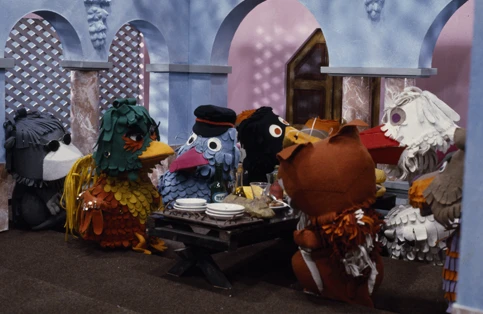
Where the Wild Things Are
A boy's imagination tames wild monsters and leads home.

Rodw · CC BY-SA 3.0
Where the Wild Things Are is a children's picture book from 1963, created by the American writer and illustrator Maurice Sendak. Harper & Row first released it as a hardcover. The main character is Max, a boy in a wolf suit who gets into trouble at home and is sent to his room with no dinner. His imagination then turns the room into a jungle, and he sails across the ocean to an island full of large, scary monsters called Wild Things. In 1964, the book won the Caldecott Medal, chosen by librarians as the most distinguished American picture book for children from the year before. It also took the top spot in a 2012 School Library Journal reader survey for picture books, a position it had held before.
- author
- Maurice Sendak
- field
- Children's picture book
- nationality
- American
- known_for
- Story of Max and the Wild Things, Caldecott Medal winner
- copies_sold
- Over 19 million worldwide as of 2009
Verified Timeline
Lore & Background
The story focuses on a young boy named Max who, after dressing in his wolf suit, wreaks such havoc through his household that he is sent to bed without his supper as punishment. Max's bedroom transforms into a jungle environment, and he sails to an island inhabited by monsters called the Wild Things. The Wild Things try to scare Max, but it is to no avail. After stopping and intimidating the creatures, Max is hailed as the king of the Wild Things and enjoys a playful rumpus with his subjects. Finally, Max stops them and sends them to bed without their supper. However, to the Wild Things' dismay, he starts to feel lonely and decides to abdicate and return home. The creatures do not want Max to go, and they throw themselves into fits of rage as he calmly sails home. Upon returning to his bedroom, Max discovers a hot supper waiting for him. Sendak began his career as an illustrator, but by the mid-1950s, he had started writing and illustrating his own books. In 1956, he published his first book for which he was the sole author, Kenny's Window. The story was supposed to be that of a child who, after a tantrum, is punished in his room and decides to escape to the "land of wild horses." Shortly before starting the illustrations, Sendak realized that he did not know how to draw horses and, at the suggestion of his editor, changed the wild horses to the more ambiguous "Wild Things," a term inspired by the Yiddish expression "vilde chaya" ("wild animals"), used to indicate boisterous children. Sendak replaced the horses with caricatures of his aunts and uncles, caricatures that he had originally drawn in his youth as an escape from their chaotic, weekly visits to his family's Brooklyn home. Sendak, as a child, had observed his relatives as being "all crazy – crazy faces and wild eyes", with blood-stained eyes and "big and yellow" teeth, who pinched his cheeks until they were red. These relatives, like Sendak's parents, were poor Jewish immigrants from Poland, whose remaining family in Nazi-occupied Europe were killed during the Holocaust while Sendak was in his early teens. As a child, he saw them as "grotesques." When working on the 1983 opera adaptation of the book with Oliver Knussen, Sendak gave the monsters the names of his relatives: Tzippy, Moishe, Aaron, Emile, and Bernard.
Reader's Guide
The book had sold over 19 million copies worldwide as of 2009, with 10 million of those being in the United States. Sendak refused to produce a sequel; four months before his death in 2012, he told comedian Stephen Colbert that a sequel would be "the most boring idea imaginable." The book has been adapted into other media several times, including an animated short film in 1973 (with an updated version in 1988); a 1980 opera; and a live-action 2009 feature-film adaptation. President Barack Obama read it aloud for children who were attending the White House Easter Egg Roll in multiple years.
Did You Know?
- The book was originally going to be about a child escaping to the 'land of wild horses,' but Sendak changed it because he could not draw horses.
- The Wild Things were inspired by the Yiddish expression 'vilde chaya' (wild animals), used to describe boisterous children.
- Sendak modeled the Wild Things on caricatures of his aunts and uncles, whom he remembered as having 'blood-stained eyes' and 'big and yellow' teeth.
- In the 1983 opera adaptation, Sendak named the monsters after his own relatives: Tzippy, Moishe, Aaron, Emile, and Bernard.
- President Barack Obama read the book aloud at the White House Easter Egg Roll in multiple years.
Creative Genesis & Personal Roots
Sendak began his career as an illustrator, but by the mid-1950s, he had started writing and illustrating his own books. In 1956, he published his first book for which he was the sole author, Kenny's Window. The story was supposed to be that of a child who, after a tantrum, is punished in his room and decides to escape to the place that gives the book its title, the "land of wild horses." Shortly before starting the illustrations, Sendak realized that he did not know how to draw horses and, at the suggestion of his editor, changed the wild horses to the more ambiguous "Wild Things," a term inspired by the Yiddish expression "vilde chaya" ("wild animals"), used to indicate boisterous children. Sendak replaced the horses with caricatures of his aunts and uncles, caricatures that he had originally drawn in his youth as an escape from their chaotic, weekly visits to his family's Brooklyn home. Sendak, as a child, had observed his relatives as being "all crazy – crazy faces and wild eyes", with blood-stained eyes and "big and yellow" teeth, who pinched his cheeks until they were red. These relatives, like Sendak's parents, were poor Jewish immigrants from Poland, whose remaining family in Nazi-occupied Europe were killed during the Holocaust while Sendak was in his early teens. As a child, he saw them as "grotesques." When working on the 1983 opera adaptation of the book with Oliver Knussen, Sendak gave the monsters the names of his relatives: Tzippy, Moishe, Aaron, Emile, and Bernard.
Plot & Narrative Arc
The story focuses on a young boy named Max who, after dressing in his wolf suit, wreaks such havoc through his household that he is sent to bed without his supper as punishment. Max's bedroom transforms into a jungle environment, and he sails to an island inhabited by monsters called the Wild Things. The Wild Things try to scare Max, but it is to no avail. After stopping and intimidating the creatures, Max is hailed as the king of the Wild Things and enjoys a playful rumpus with his subjects. Finally, Max stops them and sends them to bed without their supper. However, to the Wild Things' dismay, he starts to feel lonely and decides to abdicate and return home. The creatures do not want Max to go, and they throw themselves into fits of rage as he calmly sails home. Upon returning to his bedroom, Max discovers a hot supper waiting for him.
Thematic Depth & Literary Analysis
In Selma G. Lanes's book The Art of Maurice Sendak, Sendak discusses Where the Wild Things Are along with his other books In the Night Kitchen and Outside Over There as a trilogy centered on children's growth, survival, and fury. He indicated that the three books are "all variations on the same theme: how children master various feelings – danger, boredom, fear, frustration, jealousy – and manage to come to grips with the realities of their lives." Critics have noted that Sendak uses the book's physical form as a storytelling device, with Max's imagined world expanding from a small picture book to a wide landscape that stretches beyond the edges of the page. Fundamental to Sendak's work for over fifty years is his trust in the validity of children's emotions. Dr. Kara Keeling and Dr. Scott Pollard, both English professors, assess the role that food plays in the book, arguing that food is a metaphor for Max's mother's love based on the idea that Max comes home to a "still hot" supper, which suggests that his mother "loves him best." Mary Pols of Time magazine wrote that "[w]hat makes Sendak's book so compelling is its grounding effect: Max has a tantrum and in a flight of fancy visits his wild side, but he is pulled back by a belief in parental love to a supper 'still hot', balancing the seesaw of fear and comfort." Professor Liam Heneghan describes Max's dream as one of mastering the wild, from which he also learns to master his "inner tumult." Heneghan concludes that "the overarching thought is an old one: a human engages with Wild Things and in so doing comes into accord with the world and gains a measure of self-mastery."
Reception, Awards & Cultural Legacy
Though the book received some criticism upon its release for being too scary for children, reception of Where the Wild Things Are has been largely positive. It won the 1964 Caldecott Medal, with the committee of librarians describing the wild things as "grotesque, kindly and humorous—never terrifying." Francis Spufford suggests that Where the Wild Things Are is "one of the very few picture books to make an entirely deliberate and beautiful use of the psychoanalytic story of anger." New York Times writer Bruce Handy suggested that the story may resonate more with parents than with children. Based on a 2007 online poll, the National Education Association listed the book as one of its "Teachers' Top 100 Books for Children." Five years later, School Library Journal sponsored a survey of readers which identified Where the Wild Things Are as a top picture book. Elizabeth Bird, the librarian from the New York Public Library who conducted the survey, observed that there was little doubt that it would be voted number one and highlighted its designation by one reader as a watershed, "ushering in the modern age of picture books." Another critic called it "perfectly crafted, perfectly illustrated ... simply the epitome of a picture book" and noted that Sendak "rises above the rest in part because he is subversive." President Barack Obama read it aloud for children who were attending the White House Easter Egg Roll in multiple years. The book had sold over 19 million copies worldwide as of 2009, with 10 million of those being in the United States. Where the Wild Things Are was number four on the list of "Top Check Outs of all time" by the New York Public Library.
Gallery

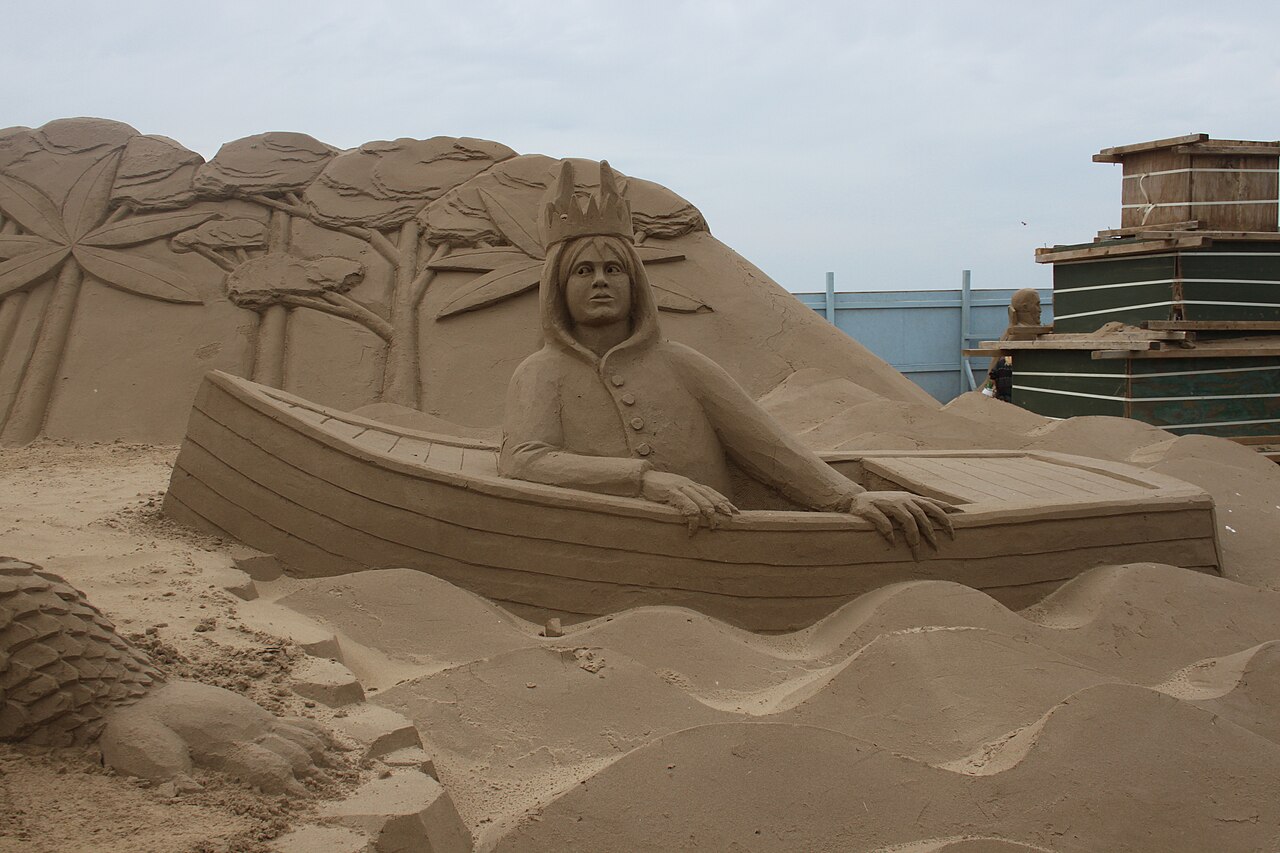
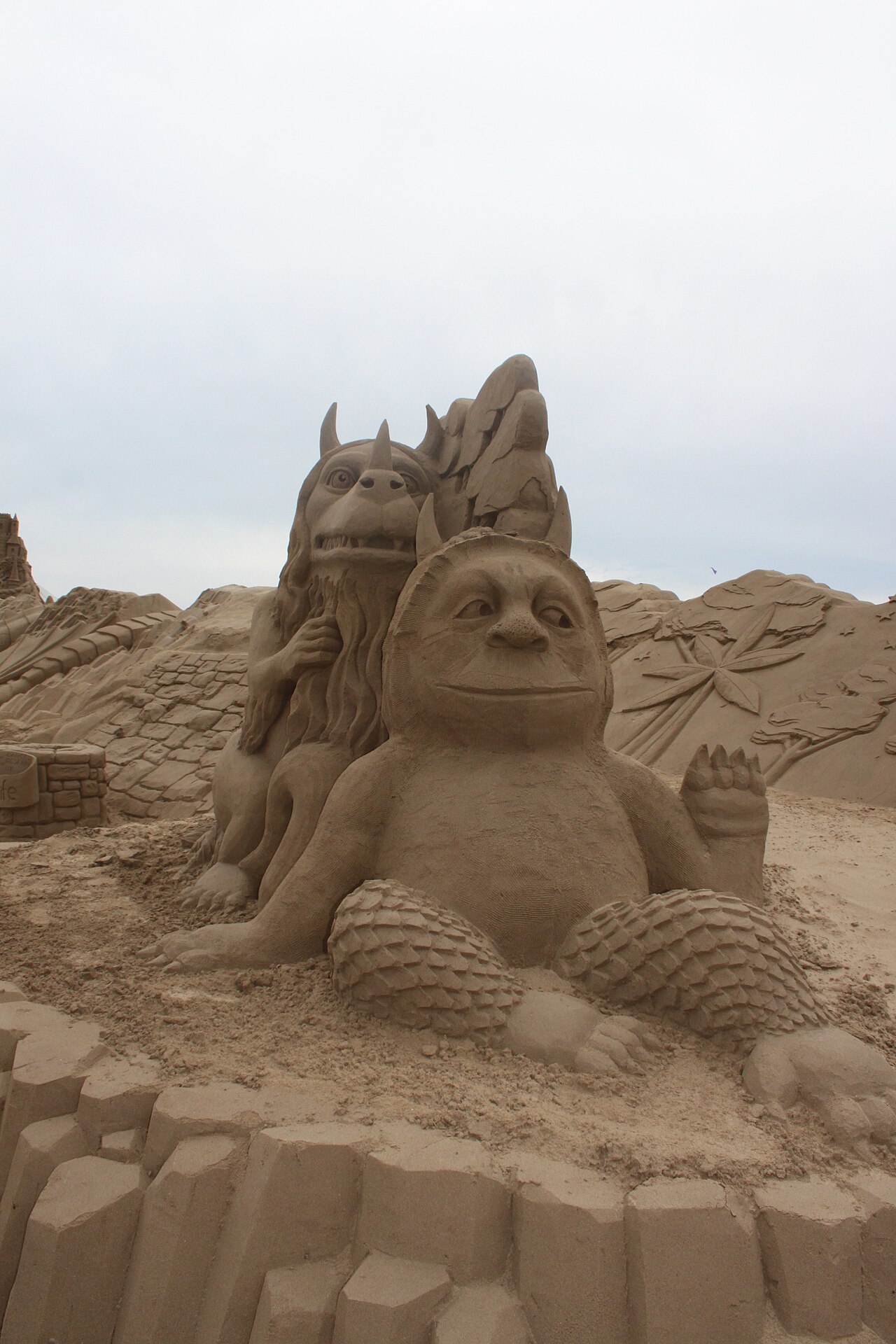
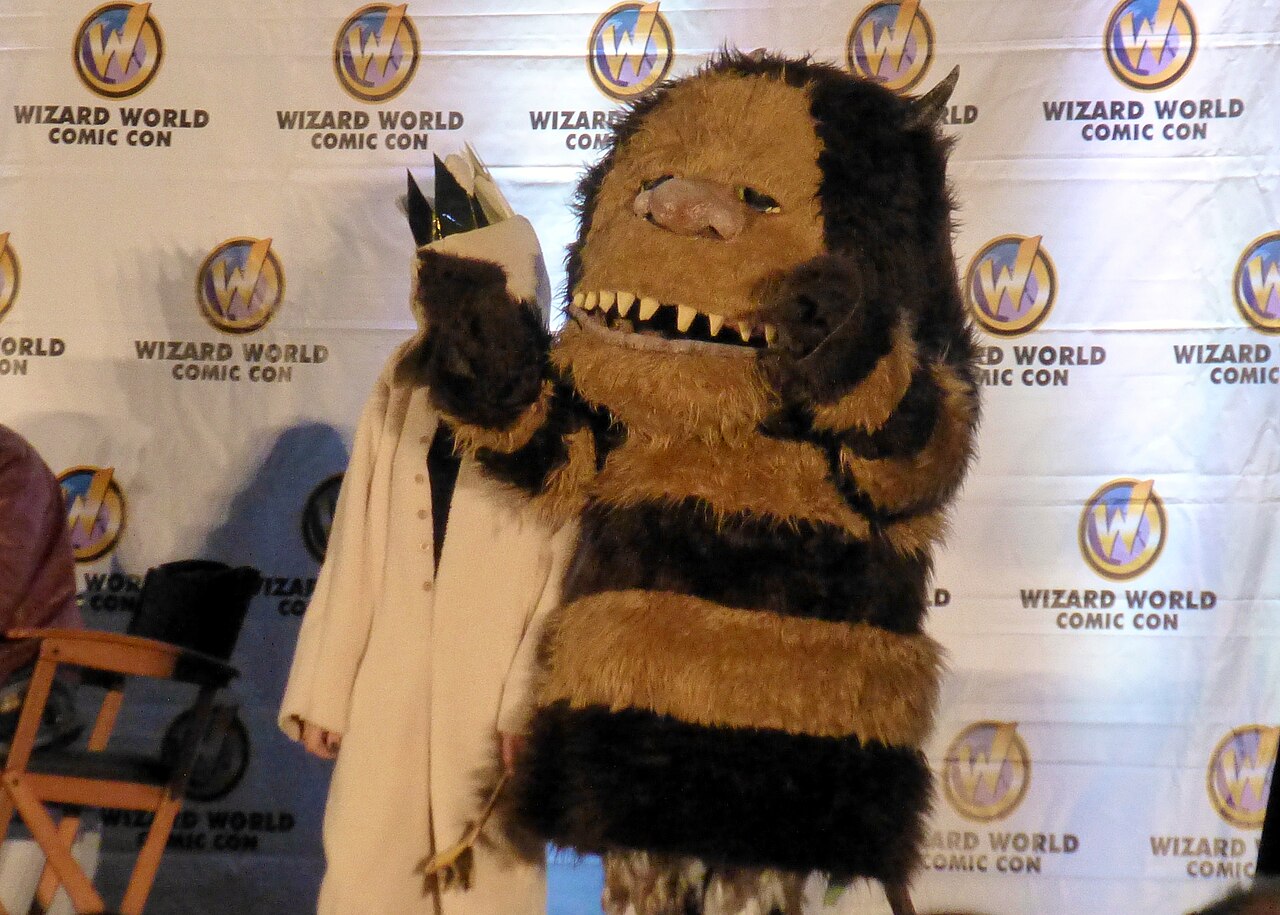

Frequently Asked Questions
What is the basic plot of Where the Wild Things Are?
A rowdy little boy in a wolf costume is banished to his bedroom without dinner, and his imagination carries him across the sea to an island where he becomes the ruler of towering, monstrous creatures called the Wild Things.
How does the story of Where the Wild Things Are end?
After Max tames the Wild Things and proclaims himself their king, he grows weary of the adventure and sails back to his own room, where he discovers his supper is still warm and waiting for him.
Why is Where the Wild Things Are considered a landmark in children's literature?
It broke new ground by giving a young child's inner world of anger, wildness, and longing full emotional weight without talking down to the reader. By 2009 more than 19 million copies had been sold worldwide, underscoring its lasting cultural impact.
More in Children'S And Animation 1-18
Spotted an error? Know more?
This is a living reference — every entry is fact-audited, and reader corrections feed straight into our audit queue. Suggest an edit · See this site's audit record