
Covalent bond
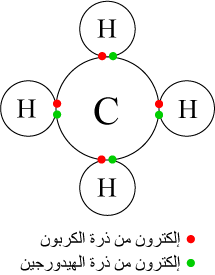
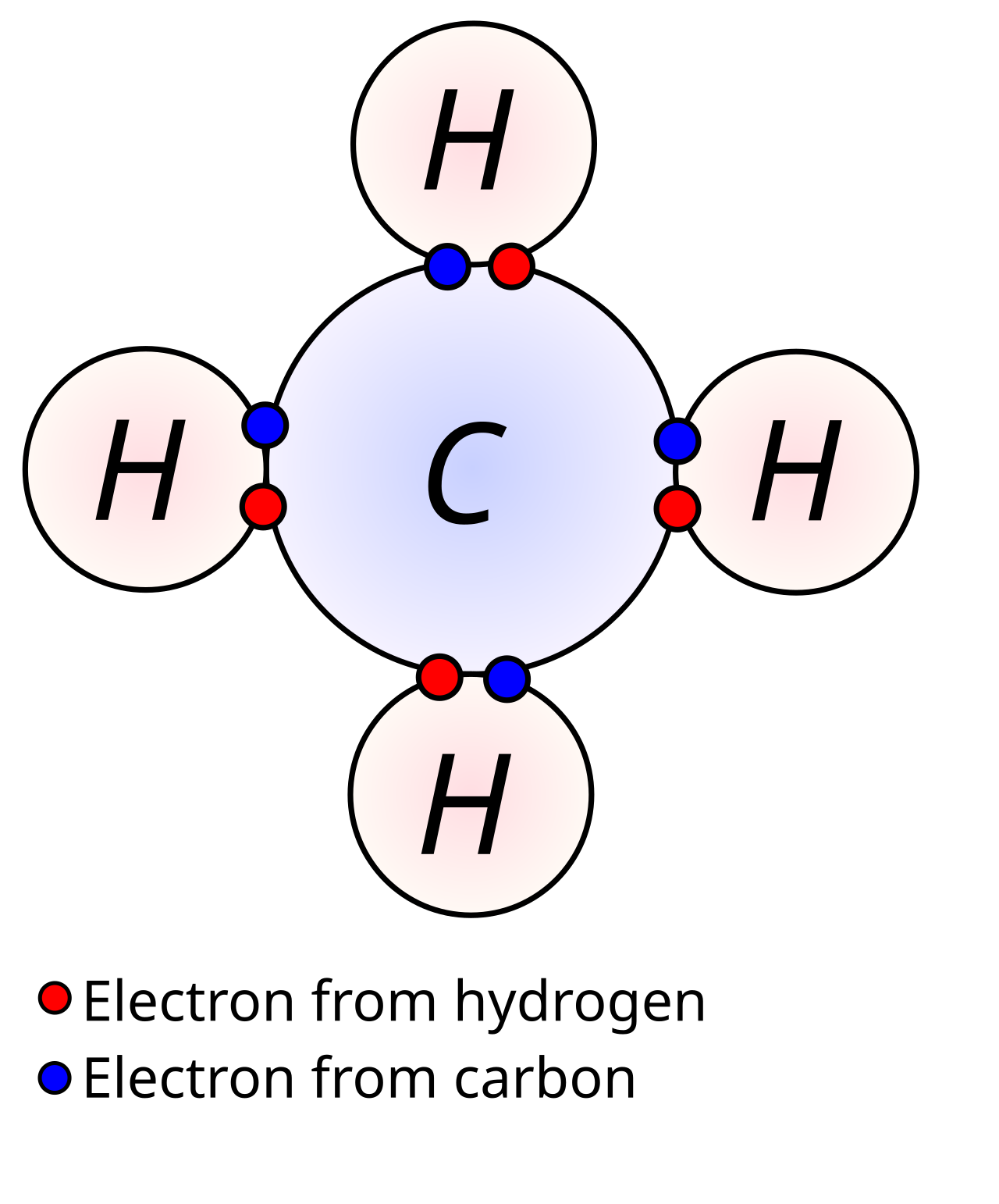
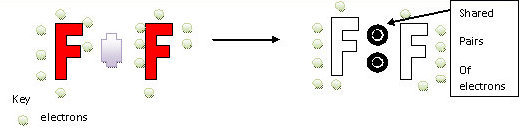
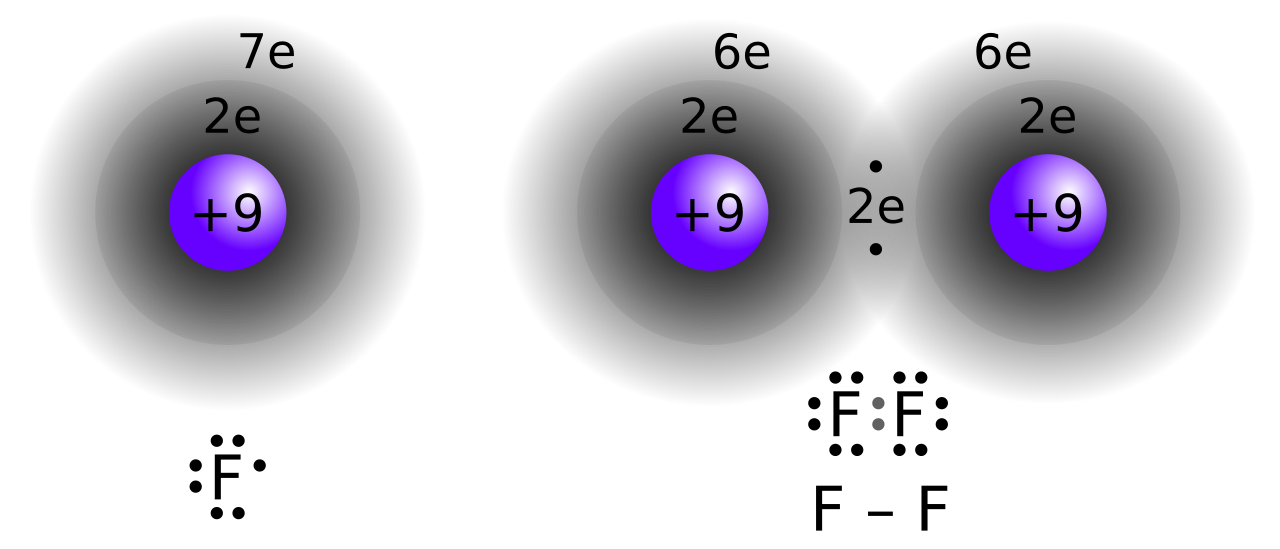
Covalent bonds involve shared electron pairs between atoms.

DynaBlast · CC BY-SA 2.5
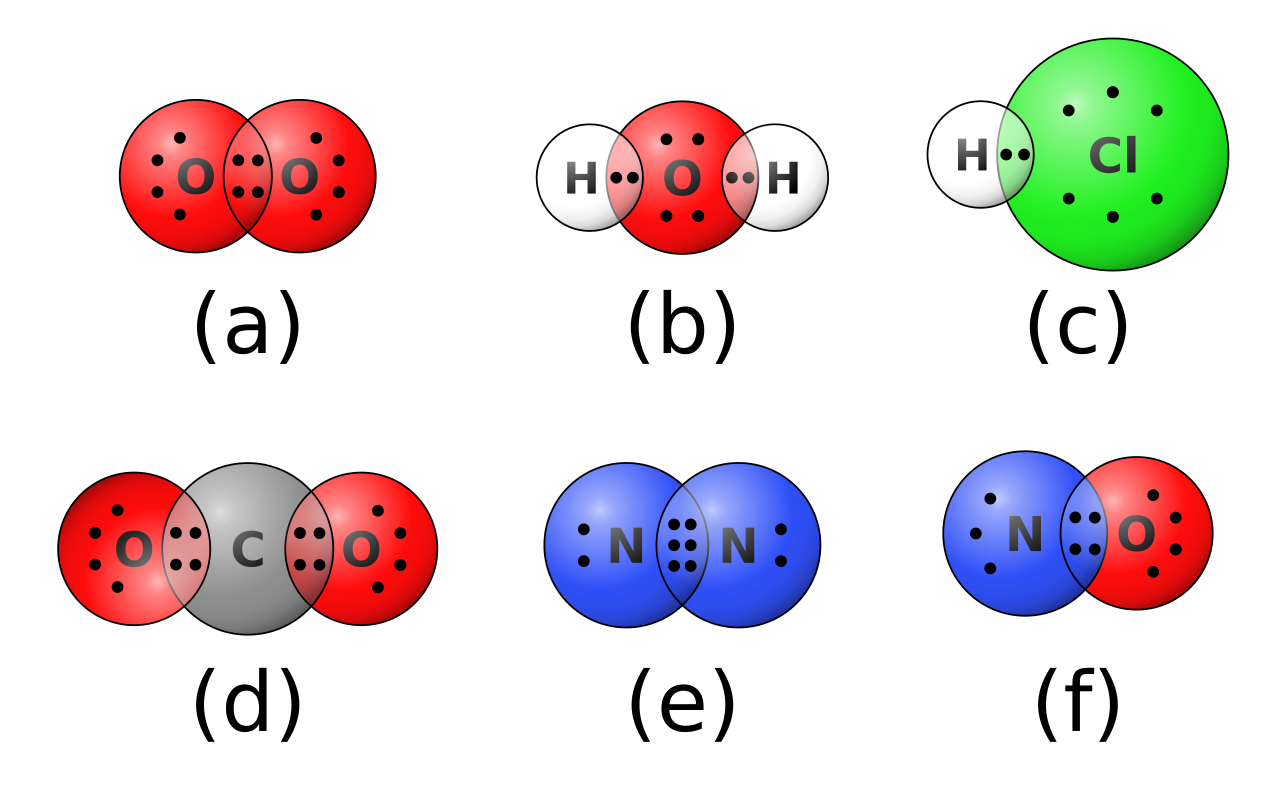
A covalent bond forms when atoms share electrons, creating electron pairs called shared pairs or bonding pairs. This sharing produces a stable balance of attractive and repulsive forces between the atoms. In many molecules, sharing electrons helps each atom achieve a full valence shell, leading to a stable electronic configuration. Covalent bonding is far more common than ionic bonding in organic chemistry; ionic bonds involve separate atoms held together only by electrostatic attraction. Covalent bonding includes various interactions, such as σ-bonding, π-bonding, metal-to-metal bonding, agostic interactions, bent bonds, three-center two-electron bonds, and three-center four-electron bonds. The term "covalence" was introduced by Irving Langmuir in 1919, and Nevil Sidgwick used "co-valent link" in the 1920s. Merriam-Webster dates the specific phrase "covalent bond" to 1939. The prefix "co-" (meaning jointly or partnered) indicates that "co-valent" bonds involve shared "valence," as explained in valence bond theory. In the H₂ molecule, the two hydrogen atoms share two electrons through covalent bonding. A bond's covalent character—as opposed to its ionic nature—is strongest between atoms with similar electronegativities, regardless of whether the elements are identical. When covalent bonding involves sharing electrons across more than two atoms, it is described as delocalized. **History**
The term "covalence" for bonding first appeared in 1919, when Irving Langmuir published an article in the *Journal of the American Chemical Society* titled "The Arrangement of Electrons in Atoms and Molecules." Langmuir wrote that "covalence" would denote the number of electron pairs an atom shares with its neighbors. The idea of covalent bonding traces back several years earlier to Gilbert N. Lewis, who in 1916 described the sharing of electron pairs between atoms (and later, in 1926, coined the term "photon"). Lewis introduced the Lewis notation, or electron dot notation, where valence electrons are shown as dots around atomic symbols. Pairs of dots between atoms represent covalent bonds, and multiple pairs indicate double or triple bonds. An alternative representation uses solid lines for bond-forming electron pairs. Lewis proposed that an atom forms enough covalent bonds to achieve a full outer electron shell. In methane, for example, the carbon atom has a valence of four and is surrounded by eight electrons (the octet rule)—four from carbon and four from the bonded hydrogens. Each hydrogen has a valence of one and is surrounded by two electrons (a duet rule)—its own electron plus one from carbon. These electron counts correspond to full shells in quantum theory: carbon's outer n=2 shell holds eight electrons, while hydrogen's n=1 shell holds only two. Although shared electron pairs offer a useful qualitative picture, quantum mechanics is necessary to understand bond nature and predict molecular structures and properties. Walter Heitler and Fritz London provided the first successful quantum mechanical explanation of a chemical bond (molecular hydrogen) in 1927. Their work was based on the valence bond model, which assumes a chemical bond forms when atomic orbitals of participating atoms overlap well. **Types of covalent bonds**
Atomic orbitals (except s orbitals) have specific directional properties, leading to different covalent bond types. Sigma (σ) bonds are the strongest and result from head-on orbital overlap between two atoms; a single bond is usually a σ bond. Pi (π) bonds are weaker and arise from lateral overlap between p (or d) orbitals. A double bond consists of one σ and one π bond, while a triple bond has one σ and two π bonds. Covalent bonds are also influenced by the electronegativity of the connected atoms, which determines chemical polarity. Two atoms with equal electronegativity form nonpolar covalent bonds, such as H–H. An unequal relationship creates a polar covalent bond, like H–Cl. However, polarity also requires geometric asymmetry; otherwise, dipoles may cancel, resulting in a nonpolar molecule. **Covalent structures**
Covalent substances have several structural types: individual molecules, molecular structures, macromolecular structures, and giant covalent structures. Individual molecules have strong internal bonds but negligible intermolecular forces; such substances are usually gases (e.g., HCl, SO₂, CO₂, CH₄). Molecular structures have weak intermolecular forces and are low-boiling liquids (e.g., ethanol) or low-melting solids (e.g., iodine, solid CO₂). Macromolecular structures consist of large numbers of atoms linked by covalent bonds in chains, including synthetic polymers like polyethylene and nylon, and biopolymers like proteins and starch. Network covalent structures (or giant covalent structures) contain large numbers of atoms linked in sheets (e.g., graphite) or three-dimensional networks (e.g., diamond, quartz). These substances have high melting and boiling points, are often brittle, and tend to have high electrical resistivity.
- introduced_by
- Irving Langmuir
Lore & Background
He introduced the Lewis notation or electron dot notation, in which valence electrons are represented as dots around atomic symbols. Pairs of electrons located between atoms represent covalent bonds. Multiple pairs represent multiple bonds, such as double bonds and triple bonds. While the idea of shared electron pairs provides an effective qualitative picture of covalent bonding, quantum mechanics is needed to understand the nature of these bonds and predict the structures and properties of simple molecules. Their work was based on the valence bond model, which assumes that a chemical bond is formed when there is good overlap between the atomic orbitals of participating atoms. Covalent bonding also includes many kinds of interactions, including σ-bonding, π-bonding, metal-to-metal bonding, agostic interactions, bent bonds, three-center two-electron bonds and three-center four-electron bonds. The covalent character of a bond, as opposed to a more ionic nature, is greatest between atoms that have similar electronegativities, regardless of whether the elements are the same as each other.
Reader's Guide
Covalent bonding is fundamental to chemistry, particularly organic chemistry, where it is much more common than ionic bonding. The concept originated with Gilbert N. Covalent bonds vary in type, including sigma and pi bonds, and can be polar or nonpolar depending on electronegativity differences. Structures range from individual molecules (often gases or low-boiling liquids) to giant covalent networks like diamond and graphite, which have high melting points and electrical resistivity. Unusual bonding types include one-electron and three-electron bonds found in radical species, such as the dihydrogen cation and nitric oxide. Resonance and aromaticity describe situations where a single Lewis structure is insufficient, requiring superposition of structures to explain properties like bond order and electron configuration.
From Lewis Dots to a Named Concept
The intellectual roots of covalent bonding stretch back to 1916, when Gilbert N. Lewis described electron pairs being shared between atoms and introduced the dot-notation system still taught today. In his diagrams, valence electrons appear as dots surrounding atomic symbols, with pairs placed between atoms signifying bonds and multiple pairs indicating double or triple connections. Lewis further argued that atoms form enough bonds to fill their outer shell—carbon reaching eight electrons under the octet rule, hydrogen reaching two under the duet rule. The word itself arrived later: in 1919 Irving Langmuir published in the Journal of the American Chemical Society, coining 'covalence' to mean the number of electron pairs an atom shares with its neighbors. Nevil Sidgwick followed in the 1920s with the phrase 'co-valent link,' and Merriam-Webster traces the exact compound 'covalent bond' to 1939. The prefix 'co-' encodes partnership, reflecting the shared valence elaborated in valence bond theory.
Orbitals, Overlap, and the Quantum Underpinning
Lewis's shared-pair picture captures the qualitative essence of bonding, but a rigorous account requires quantum mechanics. In 1927 Walter Heitler and Fritz London provided the first quantum mechanical treatment of a chemical bond, working with molecular hydrogen. Their explanation rested on the valence bond model, which posits that a bond emerges when the atomic orbitals of participating atoms overlap effectively. This orbital-overlap principle generates distinct bond geometries. Sigma bonds arise from head-on orbital overlap and represent the strongest covalent interactions; a single bond is ordinarily a sigma bond. Pi bonds, weaker in character, stem from lateral overlap of p or d orbitals. A double bond between two atoms contains one sigma and one pi component, while a triple bond comprises one sigma and two pi bonds. Beyond these, the covalent family also embraces metal-to-metal bonding, agostic interactions, bent bonds, three-center two-electron bonds, and three-center four-electron bonds.
From Gases to Giant Lattices: Structural Range
Covalent bonding produces an astonishing spectrum of material architectures. At the simplest level, discrete molecules such as HCl, SO2, CO2, and CH4 possess strong internal bonds yet negligible intermolecular attraction, so they exist as gases. Moving up, molecular structures like ethanol (a low-boiling liquid) or solid iodine and solid CO2 (low-melting solids) exhibit only weak forces between molecules. Macromolecular structures extend covalent bonding into extended chains, encompassing synthetic polymers like polyethylene and nylon as well as biopolymers such as proteins and starch. At the opposite extreme, giant or network covalent structures link vast numbers of atoms into sheets, as in graphite, or three-dimensional lattices, as in diamond and quartz. These materials display high melting and boiling points, frequent brittleness, and high electrical resistivity. Elements possessing high electronegativity and the capacity to form three or four electron-pair bonds tend to build these extended architectures.
Polarity, Delocalization, and Unconventional Electron Counts
Electronegativity differences govern whether a covalent bond is polar or nonpolar. Two atoms of equal electronegativity produce a nonpolar covalent bond, as in H–H, while an unequal relationship yields a polar covalent bond, as in H–Cl. Molecular-level polarity, however, also requires geometric asymmetry; symmetric arrangements can cancel individual dipoles, leaving an overall nonpolar molecule despite polar bonds. When electron sharing extends across more than two atoms, the bonding is described as delocalized. Covalent bonding further accommodates unusual electron counts: radical species carrying an odd number of electrons can form one-electron or three-electron bonds. The dihydrogen cation, H+2, offers the simplest one-electron bond, often termed a 'half bond' because its bond energy is roughly half that of a standard two-electron bond, though exceptions do exist. In organic chemistry, covalent bonding predominates over ionic bonding, where atoms remain separate and are held together solely by electrostatic attraction.
Gallery

Frequently Asked Questions
Who is Covalent bond?
Covalent bond is the type of chemical connection in which two atoms hold onto a shared pair of electrons together rather than one atom simply taking the other's. It is the primary structural glue behind most organic and molecular compounds.
What are Covalent bond's powers/role?
Its core ability is letting each participating atom fill its outer valence shell, granting both partners a stable electronic configuration. It also generates a balanced tug-of-war between electron attraction and nuclear repulsion that locks the atoms into a fixed geometry.
How does Covalent bond's story end?
The bond reaches its stable endpoint once the attractive pull of the shared electrons and the repulsive push of the two nuclei settle into equilibrium. From that point the molecule retains its shape until an external energy input breaks the pair apart.
Why is Covalent bond important?
It is the dominant bonding strategy in organic chemistry, far outpacing ionic interactions in the carbon-based molecules that underpin biochemistry and materials science. Without this electron-sharing mechanism, the vast majority of known molecular structures simply would not form.
More in Chemistry 1-24
Spotted an error? Know more?
This is a living reference — every entry is fact-audited, and reader corrections feed straight into our audit queue. Suggest an edit · See this site's audit record