Frequently Asked Questions
The most-asked questions about characters in epic poems.
What is an epic poem and how do its characters differ from those in other literature?
An epic poem is a long narrative verse recounting the deeds of heroic figures, often spanning generations or the origin of a people. Its characters tend to embody universal ideals—courage, loyalty, hubris—rather than the psychological complexity typical of modern novelists. They are shaped by fate, divine will, and cultural values more than by internal contradiction.
Who are the most widely recognized characters across all epic poems?
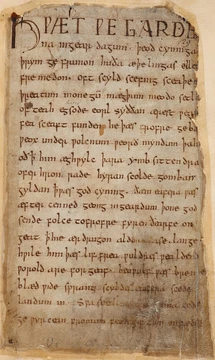
Figures like Achilles, Odysseus, Aeneas, Gilgamesh, and Beowulf are among the most cited names in world literature. They appear in works ranging from ancient Sumerian tablets to medieval Anglo-Saxon verse and Renaissance Latin poetry. Their stories have been retold in countless adaptations, making them cultural touchstones.
What archetypal roles do characters typically fill in epic poems?
Common roles include the hero, the mentor or wise elder, the divine patron, the antagonist or monstrous foe, and the loyal companion. These figures often represent moral or cosmic forces rather than fully rounded individuals. Their interactions drive the narrative toward themes of destiny, honor, and the boundaries of human capability.
Where should a newcomer begin if they want to explore epic poem characters?
Starting with a shorter, more accessible work like Beowulf or the Odyssey in a modern translation is a common recommendation. Reading a single epic fully before comparing it to others helps build familiarity with the conventions. Many readers then branch into the Iliad, the Aeneid, or non-Western epics like the Mahabharata.
What traits most define an epic hero?
Epic heroes are typically marked by extraordinary physical or mental prowess, a sense of duty to their community, and a fatal flaw that invites suffering. They operate at the intersection of human and divine realms, often receiving aid or punishment from gods. Their journeys test courage, endurance, and the limits of mortal ambition.
How do gods and supernatural beings function within epic narratives?
Divine figures in epics act as instigators, judges, or patrons who shape the hero's fate through direct intervention or withheld aid. They embody abstract principles—wrath, justice, love—giving the conflict a cosmic dimension. Their presence reminds the audience that individual deeds are part of a larger, often inscrutable, order.
What are some of the most frequently discussed scenes involving epic characters?
The wrath of Achilles, Odysseus's encounter with the Cyclops, and Beowulf's final battle with the dragon are among the most analyzed moments. These scenes are celebrated for their dramatic tension, moral ambiguity, and the way they crystallize a character's defining trait. They often serve as the emotional or thematic pivot of the entire work.
How do epic characters differ from protagonists in novels or stage plays?
Epic characters are defined more by their symbolic and cultural role than by interior psychological depth. Their speech is often formal and elevated, and their decisions are framed by honor codes and divine mandates rather than personal desire. This makes them feel larger-than-life but less individually idiosyncratic than a Dickens or Shakespeare character.
Do epic poems from non-Western traditions feature different kinds of characters?
Works like the Mahabharata, the Tale of the Heike, and the Popol Vuh present heroes, tricksters, and divine beings with distinct cultural frameworks and moral logics. Characters in these traditions may emphasize dharma, ancestral duty, or communal harmony over the individual glory prized in Greek or Latin epics. Their narratives often span multiple generations and blur the line between history and myth.
Why do epic poem characters remain popular in modern adaptations?
Their archetypal qualities—heroism, betrayal, divine conflict—translate easily into film, games, and contemporary fiction. Writers and filmmakers can update the settings while preserving the core emotional and moral questions. The characters' timelessness gives creators a shared vocabulary that audiences across cultures can recognize.