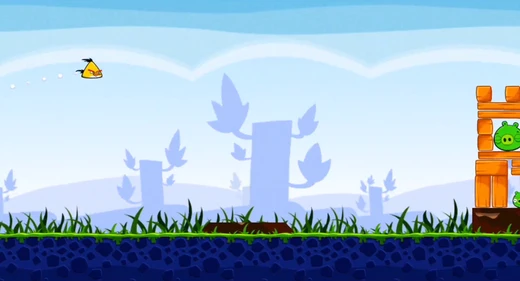
Digital Chocolate
Founded by Trip Hawkins; motto: 'seize the minute.'

Gunjan Kayarkar · CC BY 4.0
Digital Chocolate, Inc. was a video game developer and publisher headquartered in San Mateo, California. Founded in 2003 by Trip Hawkins—who also founded Electronic Arts and The 3DO Company—the company focused on developing games for Java ME-based mobile phones, iOS, and Microsoft Windows, and also produced some non-entertainment titles. Its marketing motto was 'seize the minute.' The developer was officially closed in 2014, and no verified relaunch has been documented since.
Quick Facts
- Founded
- 2003-10-18
- Fate
- Games sold to RockYou
- Predecessor
- The 3DO Company
- Successor
- RockYou
- Defunct
- 2014
- Founder
- Trip Hawkins
- Hq Location City
- San Mateo, California
- Hq Location Country
- U.S.
- Area Served
- Worldwide
- Key People
- Marc Metis · (President) · Edmond Chui · (VP of Engineering)
- Industry
- Video games
- Num Employees
- 129
Facts from the source article.
Lore & Background
Digital Chocolate was founded in 2003 by Trip Hawkins after the closure of the 3DO Company. It had operations in San Mateo, Seattle, St. Petersburg, Bangalore, Helsinki, and Mexicali. In 2004, it acquired European developer Sumea, which became its Helsinki studio. On August 15, 2011, Digital Chocolate agreed to acquire Sandlot Games, a leading casual game developer and publisher. In May 2012, Trip Hawkins stepped down as CEO to move to a consulting and advisory relationship, and the company announced plans to lay off 180 employees. Galaxy Life was its most successful title on Facebook, ranking at the 284th bucket of monthly active users as of September 13, 2013. In 2013, Digital Chocolate's Barcelona studio was sold to Ubisoft with the Galaxy Life IP, and the Helsinki studio was closed. In April 2014, its four remaining Facebook games—Army Attack, Crazy Penguin Wars, Millionaire City, and Zombie Lane—were licensed to RockYou, along with the hiring of its developers to continue work on the games. The company officially closed in 2014, sold its games to RockYou, and had its website shut down. No verified relaunch has been documented since.
Reader's Guide
Digital Chocolate was a significant early mobile game developer, founded by industry veteran Trip Hawkins after his previous ventures. The company helped shape the Java ME mobile gaming market in the mid-2000s, winning multiple awards including 'best mobile games developer' from Mobile Entertainment in 2006 and 2007, and nine IGN Game of the Year awards in 2006. Its title Tornado Mania! received a perfect 10 score and was named Wireless Game of the Year. The company later expanded to iOS, Windows, and Facebook, with Galaxy Life becoming its most successful social game. Despite its early success, the company faced challenges in the 2010s, leading to layoffs, studio closures, and the licensing of its remaining games to RockYou in 2014. Its closure marked the end of an era, but the brand was revived in 2026 by new entrepreneurs, indicating lasting recognition in the mobile gaming space. Digital Chocolate's legacy includes pioneering mobile game design and producing award-winning titles that influenced the industry's transition from feature phones to smartphones.
Founding & Vision
Trip Hawkins, already a legendary figure in the gaming world as the man behind Electronic Arts and The 3DO Company, launched Digital Chocolate in 2003 from San Mateo, California. The timing was significant—Hawkins had just watched 3DO close its doors, and rather than stepping away from the industry he helped build, he channeled his energy into a new venture aimed squarely at the emerging mobile phone market. The company's stated philosophy was captured in its marketing motto, "seize the minute," a phrase that reflected both the fast-paced nature of casual gaming and Hawkins' own restless drive. Digital Chocolate built its catalog around Java ME-based mobile phones, iOS devices, and Microsoft Windows, with a small number of non-entertainment titles rounding out the portfolio. By the mid-2000s, the company had established studios or operations in San Mateo, Seattle, St. Petersburg, Bangalore, Helsinki, and Mexicali, signaling an ambition to compete on a global scale despite its relatively small footprint.
Growth & Acquisitions
Digital Chocolate's expansion strategy relied heavily on acquiring established studios and talent. In 2004, the company brought in European developer Sumea, which became its Helsinki studio and gave Digital Chocolate a foothold in the Nordic market. A more consequential move came on August 15, 2011, when the company agreed to acquire Sandlot Games, a well-known casual game developer and publisher. This acquisition pushed Digital Chocolate deeper into the social and Facebook gaming space, a platform where it would find both its greatest success and its most painful losses. The title Galaxy Life emerged as the company's most successful Facebook game, reaching the 284th bucket of monthly active users as of September 2013. Other Facebook titles like Army Attack, Crazy Penguin Wars, Millionaire City, and Zombie Lane formed a small but recognizable portfolio. Army Attack even earned a nomination for Social Networking Game of the Year at the Academy of Interactive Arts & Science's 15th Annual Interactive Achievement Awards in 2012.
Decline & Closure
The final years of Digital Chocolate's first era were marked by painful retrenchment. In May 2012, Trip Hawkins stepped down from the CEO role, transitioning to what the company described as a "consulting and advisory relationship." That same announcement carried the news of 180 employee layoffs, a stark signal that the company's growth phase had ended. The following year brought further contraction: the Barcelona studio was sold to Ubisoft along with the Galaxy Life intellectual property, and the Helsinki studio—originally the acquired Sumea team—was shut down entirely. By April 2014, the company's four remaining Facebook titles—Army Attack, Crazy Penguin Wars, Millionaire City, and Zombie Lane—were licensed to RockYou, which also hired the developers to continue working on those games. The website was taken offline, and Digital Chocolate, Inc. was officially closed. For a company that had once employed staff across six cities on three continents, the end came quietly, absorbed into the broader consolidation of the casual gaming industry.
Legacy & Resurrection
Despite its relatively short first life, Digital Chocolate left a measurable mark on the mobile and casual gaming landscape. In 2006, the company swept nine IGN Game of the Year awards, with Tornado Mania! earning a perfect 10 and the Wireless Game of the Year title, while Digital Chocolate itself was named Best Developer. Mobile Entertainment recognized the company as the best mobile games developer in both 2006 and 2007, and Brick Breaker Revolution took home an IGN award for Best Artistic Design in 2009. Then, in a twist few expected, the brand did not stay buried. In 2026, a group of entrepreneurs acquired Digital Chocolate's brand rights, and the company re-entered the mobile gaming industry. It now operates as Digital Chocolate LLC, once again based in San Mateo, California—the same city where Trip Hawkins first planted the flag more than two decades earlier. The "seize the minute" motto, it seems, still has a pulse.
Gallery




Frequently Asked Questions
Who is Digital Chocolate?
Digital Chocolate was a casual video game developer and publisher based in San Mateo, California, that specialized in titles for Java ME phones, iOS devices, and Windows PCs. It operated from 2003 until its shutdown in 2014.
Who founded Digital Chocolate and what's their background?
Trip Hawkins, the entrepreneur behind both Electronic Arts and The 3DO Company, launched Digital Chocolate in 2003. His track record of founding major gaming companies set the stage for this mobile-focused venture.
What games is Digital Chocolate most known for?
Fans most often point to Galaxy Life and Brick Breaker Revolution as the studio's standout casual titles. Beyond entertainment, the company also shipped a handful of non-game software products.
What was Digital Chocolate's motto and what did it mean?
The company marketed itself with the phrase 'seize the minute,' reflecting its focus on short, bite-sized gaming sessions designed for mobile and casual play. It captured the idea of fitting fun into tiny gaps in a busy day.
What happened to Digital Chocolate and is it still around?
The studio officially closed its doors in 2014, and no confirmed relaunch or successor entity has been documented since. As of now, it remains a defunct name in the casual mobile gaming landscape.
More in Casual game companies 1-24
Spotted an error? Know more?
Reader corrections go straight into our review queue. Suggest an edit · How this site is sourced