
Broken Social Scene
Canadian indie rock collective formed by Kevin Drew and Brendan Canning.

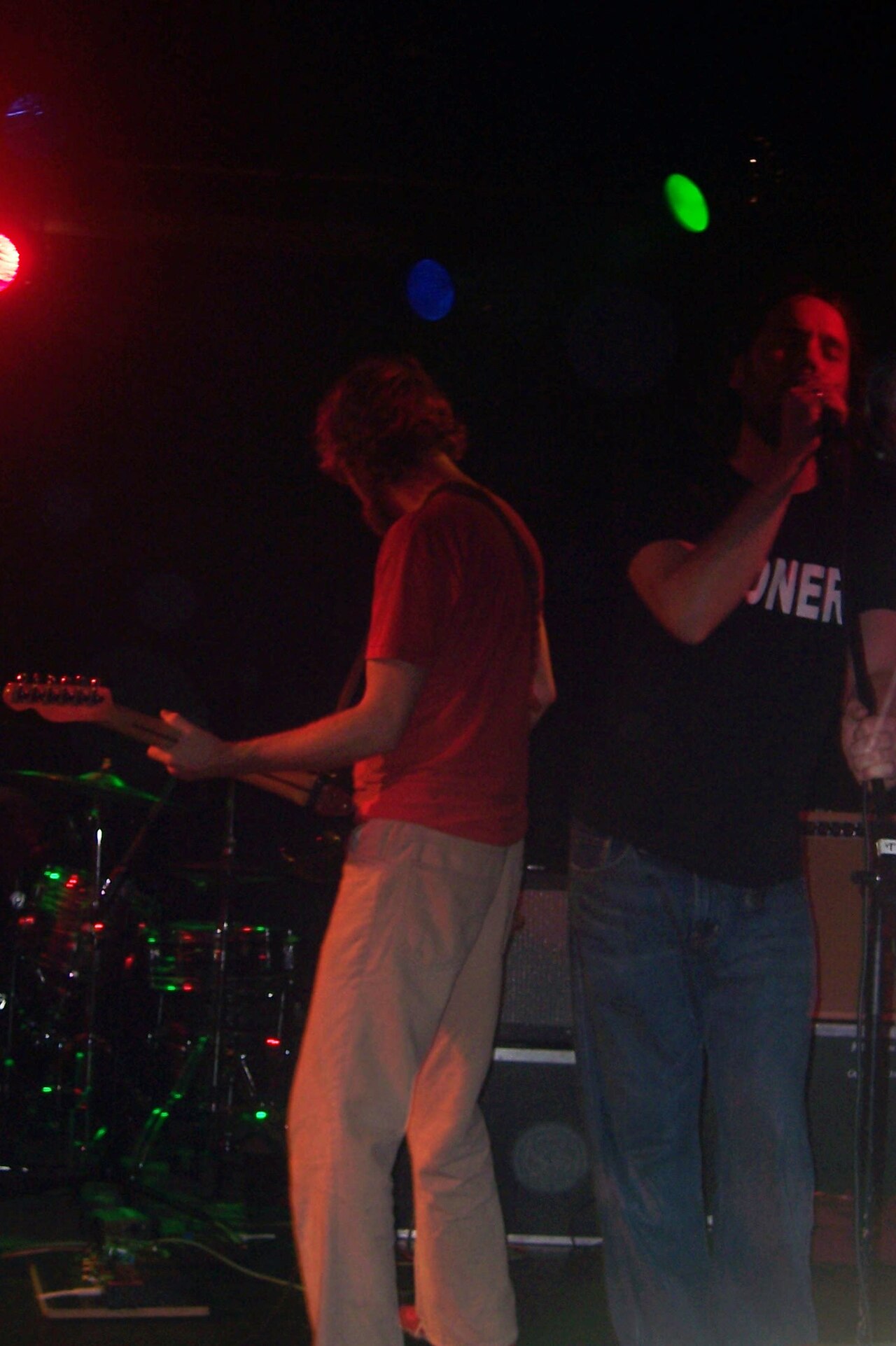
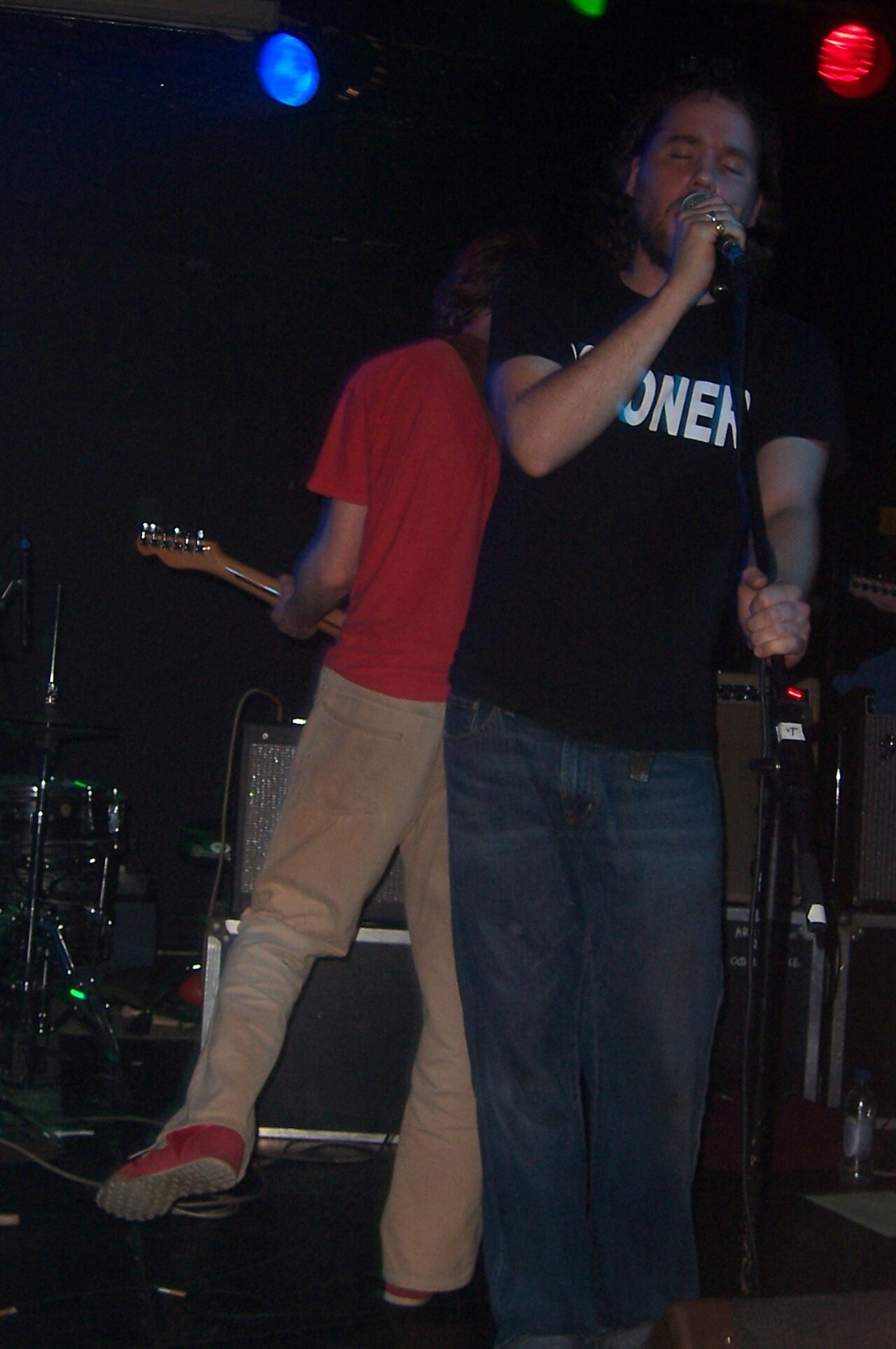
Mike Mantin from Swansea, UK · CC BY 2.0
Broken Social Scene is a Canadian indie rock band and musical collective formed in 1999 by Kevin Drew and Brendan Canning. The group has included as few as six and as many as nineteen members, drawing from the Toronto indie scene. Their sound combines elements of all members' projects, featuring grand orchestrations, unusual song structures, and an experimental production style. The collective and its associated acts have had a broad influence on alternative music and indie rock during the early 21st century.
Quick Facts
- Origin
- Toronto, Ontario, Canada
- Genre
- Indie rock · post-rock · experimental pop · baroque pop · indie pop
- Years Active
- 1999–present
- Label
- Arts & Crafts
Facts from the source article.
Lore & Background
The band was formed in 1999 by Kevin Drew and Brendan Canning, who recorded and released the ambient debut album Feel Good Lost in 2001 with contributions from several musicians. Drew and Canning's material was almost entirely instrumental, so they brought together musicians from the Toronto indie scene to flesh out their live show with lyrics and vocals. Over time, the band came to include contributions from many artists, including Leslie Feist, Emily Haines, Amy Millan, and others.
Their second album, You Forgot It in People, was released in 2002 and won the Alternative Album of the Year Juno Award in 2003. The band's third album, Broken Social Scene, also won the Alternative Album of the Year Juno in 2006. The band has released five studio albums to date: Feel Good Lost (2001), You Forgot It in People (2002), Broken Social Scene (2005), Forgiveness Rock Record (2010), and Hug of Thunder (2017).
Several books and films have covered the band: Stuart Berman's This Book Is Broken (2009), Bruce McDonald's This Movie Is Broken (2010), and Stephen Chung's It's All Gonna Break (2024). In 2021, Pitchfork listed the band among the 'most important artists' of the last 25 years.
Reader's Guide
Broken Social Scene's significance lies in its fluid collective structure and its influence on early 21st-century alternative music. The band's rotating membership, drawing from a network of Toronto-based musicians, created a sound that blended indie rock with baroque pop, experimental production, and grand orchestrations. Their albums, particularly You Forgot It in People and Broken Social Scene, received critical acclaim and Juno Awards. The collective's reach extended through associated acts like Metric, Feist, and Stars, which themselves became influential. The band's music has been featured in numerous films and television shows, and their legacy was recognized by Pitchfork in 2021. Their approach to collaborative creation and genre blending helped shape the indie rock landscape of the era.
Did You Know?
- Their song 'Lover's Spit' was featured in multiple films and TV shows, and was referenced in the 2013 Lorde song 'Ribs'.
- In 2006, the band performed as a last-minute replacement for Massive Attack at North America's first Virgin Festival.
- The band's fifth studio album, Hug of Thunder, was released in 2017 after a seven-year hiatus.
The Collective Architecture
Broken Social Scene defies the conventional band model. Formed in 1999 by Kevin Drew and Brendan Canning in Toronto, it functions as a musical collective whose membership stretches anywhere from six to nineteen individuals. The core five—Drew, Canning, Justin Peroff, Andrew Whiteman, and Charles Spearin—provide the structural spine, while longtime collaborators such as Evan Cranley, Sam Goldberg, James Shaw, and David French rotate through the ensemble. Vocalists Leslie Feist, Emily Haines, Amy Millan, Lisa Lobsinger, and Ariel Engle have each left distinct marks on studio recordings and live performances over the years. What makes the structure genuinely unusual is that most members simultaneously belong to other Toronto-based acts: Metric, Stars, Feist, Do Make Say Think, Apostle of Hustle, KC Accidental, and others. The band's sound is essentially a composite of all these individual projects woven into a single fabric, creating an entity that resists easy categorization and operates more like a living ecosystem than a fixed group.
Sound and Production Philosophy
The group's musical identity is built on grand orchestrations that layer guitars, horns, woodwinds, and violins into dense, often sprawling compositions. Critics and listeners have occasionally labeled the result baroque pop, a term that captures the ornate layering without fully accounting for the experimental, sometimes chaotic production approach. David Newfeld, who produced the second, third, and sixth albums, was central to shaping that sonic world. The songs frequently employ unusual structures, resisting standard verse-chorus formats in favor of more narrative or cinematic arcs. Because the collective draws from so many individual projects—ranging from the electronic textures of Metric to the folk sensibilities of Feist to the ambient work of Do Make Say Think—the final recordings feel like a cross-pollination of genres. The result is music that is simultaneously intimate and vast, structured and improvisatory, a quality that has made it difficult to pin down to a single genre label.
Career Milestones and Defining Performances
The band's discography spans six studio albums from Feel Good Lost in 2001 through Remember the Humans in 2026, with You Forgot It in People (2002) and the self-titled third record (2005) each earning the Juno Award for Alternative Album of the Year. A particularly defining moment arrived in September 2006, when the group was called in as last-minute replacements for Massive Attack at North America's first Virgin Festival in Toronto. Following The Strokes and The Raconteurs, Broken Social Scene delivered a one-hour closing set on the main stage, joined by Feist, Amy Millan, k-os, and Emily Haines. That performance marked the final appearance of the full fifteen-member lineup until 2009. The band also earned recognition on television, performing on Late Night with Conan O'Brien in 2006 and at the Juno Awards that same year. Between major releases, members often stepped back to pursue their individual projects, a pattern that shaped the group's long, unhurried creative timeline.
Legacy and Cultural Footprint
Broken Social Scene's influence on early-21st-century alternative and indie rock has been widely acknowledged. In 2021, Pitchfork included the band among the most important artists of the preceding twenty-five years. Their music has permeated film and television: "Lover's Spit" appeared in Wicker Park, Lie with Me, and The Love Crimes of Gillian Guess, while tracks from You Forgot It in People scored the 2006 film Half Nelson. The band has also been the subject of dedicated documentary and literary works. Stuart Berman's 2009 book This Book Is Broken chronicles the group from inception to critical acclaim, and Bruce McDonald's 2010 film This Movie Is Broken captures the band's Harbourfront show during the 2009 Toronto strike. In 2024, cinematographer Stephen Chung released It's All Gonna Break, a project he had set aside in 2007, combining new and archival footage spanning the band's entire career. These works collectively cement the collective's place as a cornerstone of Toronto's indie ecosystem and a touchstone for a generation of alternative musicians.
Gallery
Frequently Asked Questions
Who is Broken Social Scene?
Broken Social Scene is a Toronto-based indie rock collective that launched in 1999 when Kevin Drew and Brendan Canning began pooling their creative energies with a rotating cast of local musicians. Rather than operating as a fixed lineup, the project functions as a shared musical home where members of various side projects collaborate under one banner.
How many members does Broken Social Scene have?
The collective's size has shifted dramatically over the years, ranging from as few as six participants to as many as nineteen at peak. This fluid membership reflects the group's roots in the Toronto indie community, where musicians from multiple bands cross over into the project as needed.
What does Broken Social Scene's music sound like?
Their recordings blend the styles of all contributing members, producing tracks that move between tender folk passages, dense orchestral swells, and experimental studio production. Song structures often avoid standard verse-chorus formats, favoring longer, more cinematic arrangements instead.
How many studio albums has Broken Social Scene released?
The collective has put out five studio albums since their 2002 debut. Each record tends to feature a different subset of the wider roster, so the lineup shifts noticeably from one release to the next.
Why is Broken Social Scene considered important in indie rock?
By treating a band as a collective rather than a fixed group, they expanded what a rock ensemble could look like in the early 2000s. Their influence on alternative and indie rock has been broad, inspiring other artists to embrace large, rotating ensembles and genre-blending songwriting.
More in Canadian rock music supergroups 1-20
Spotted an error? Know more?
Reader corrections go straight into our review queue. Suggest an edit · How this site is sourced