
Volkswagen Golf Mk1
The front-wheel-drive hatchback that replaced the Beetle.
Last updated

Jeremy from Sydney, Australia · CC BY 2.0
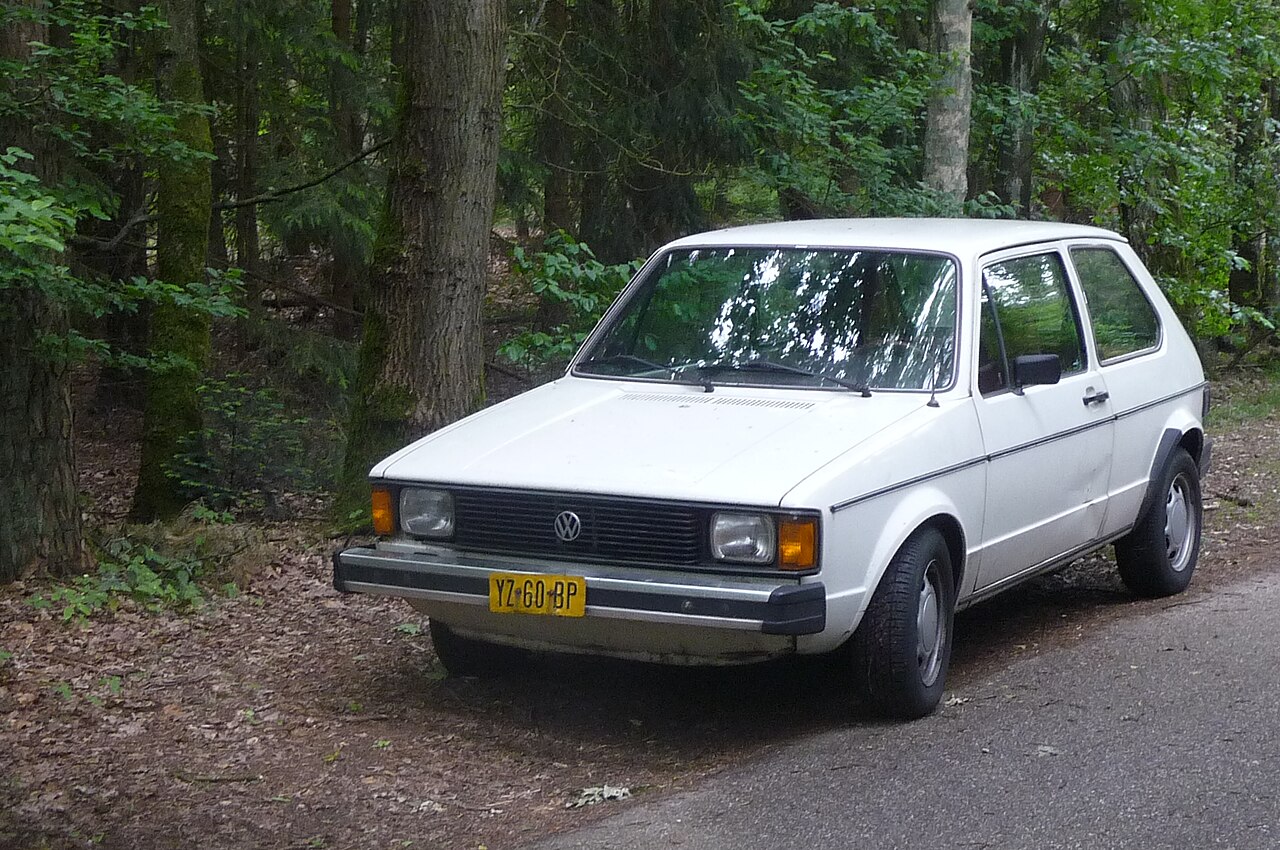
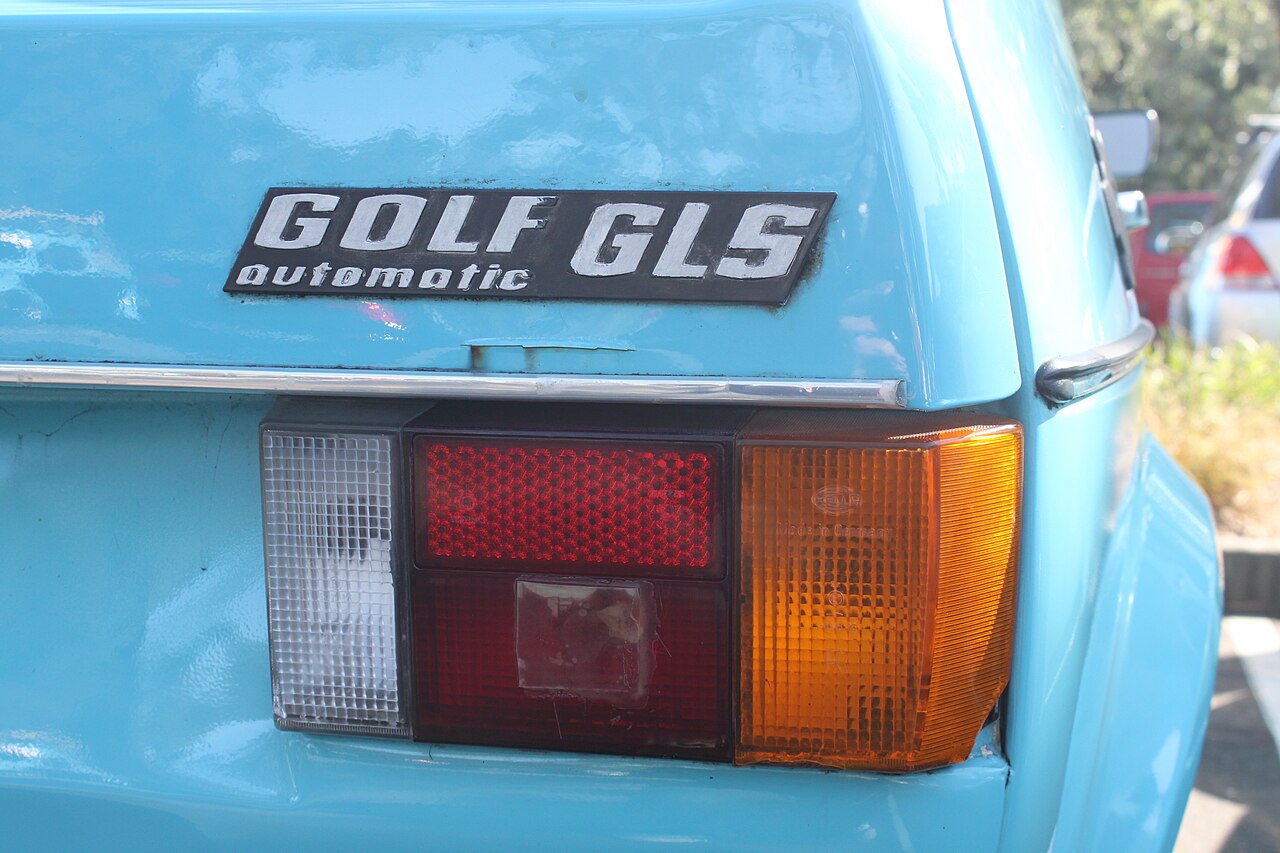
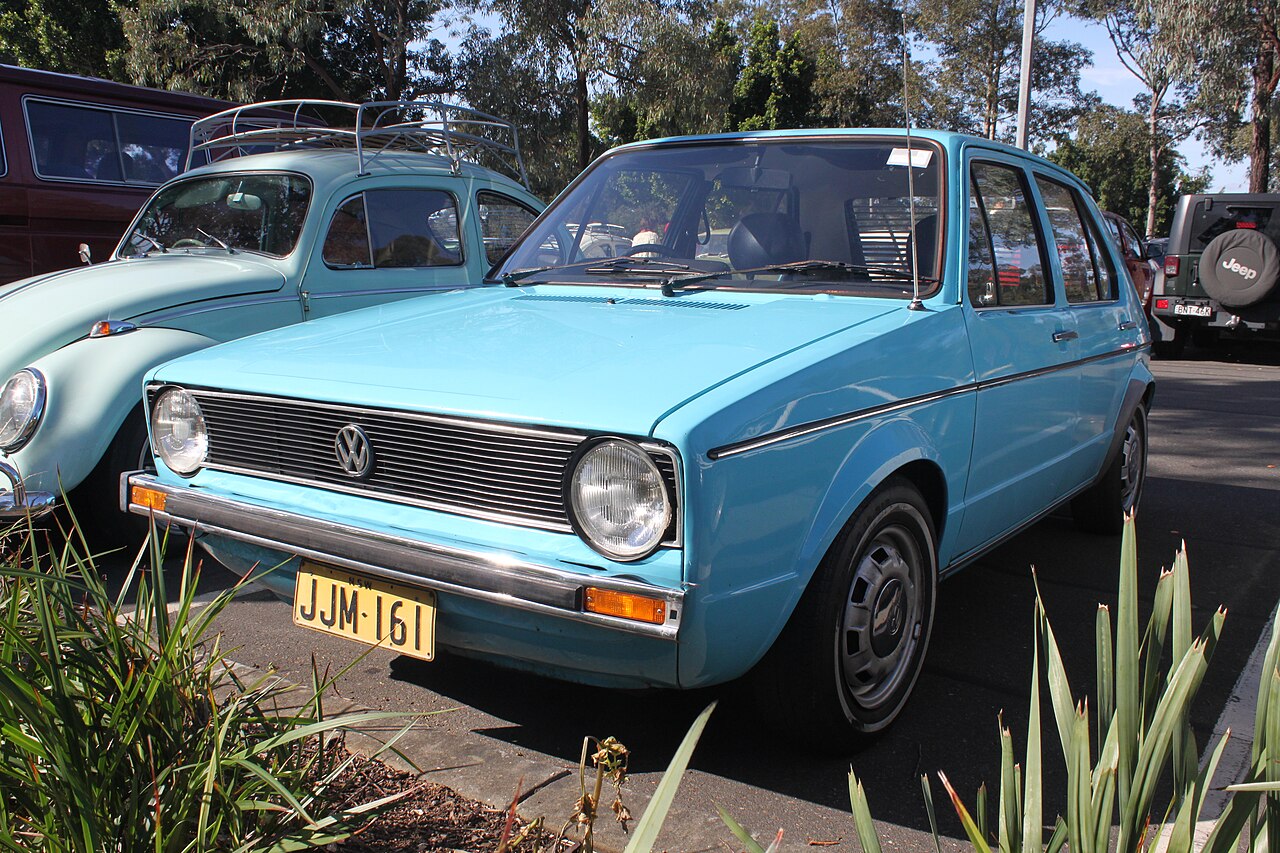
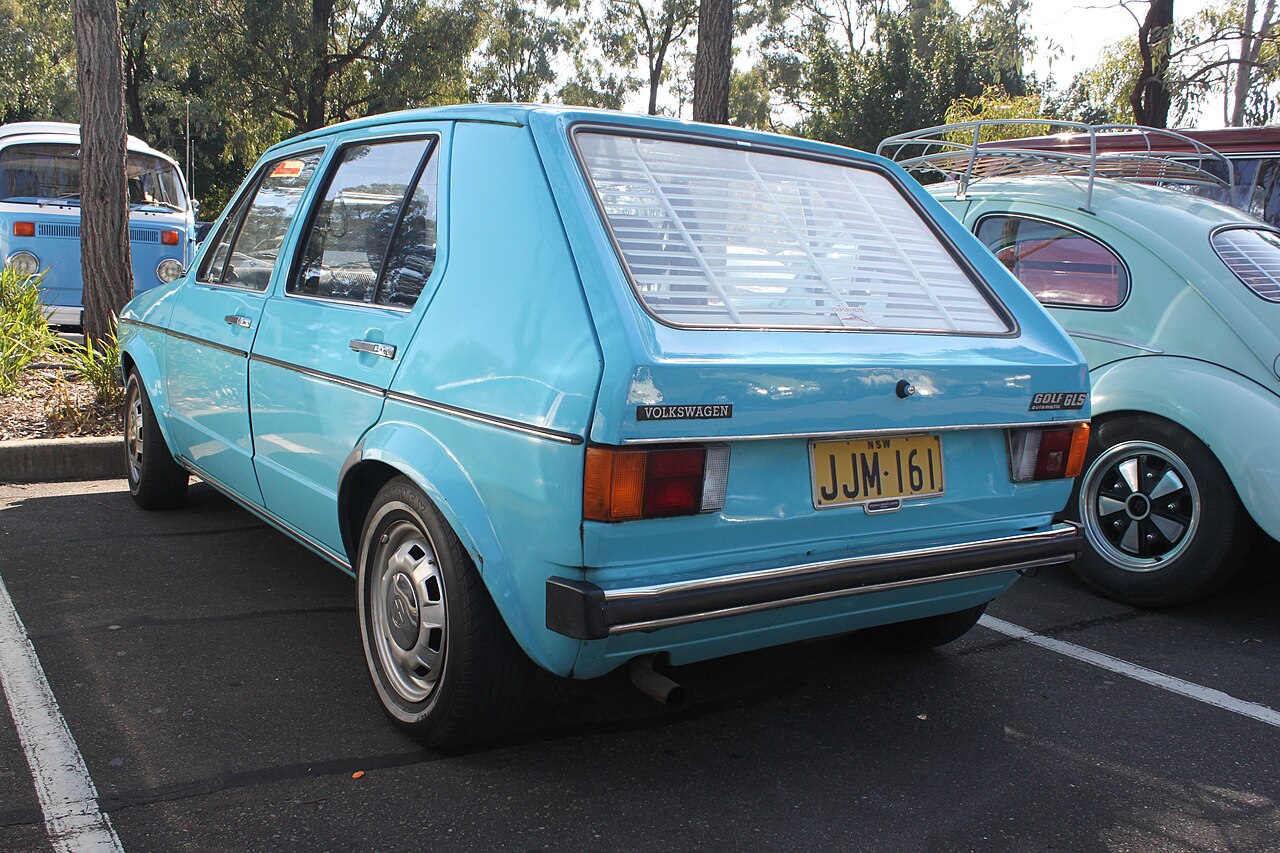
The Volkswagen Golf Mk1, the first generation of Volkswagen’s small family car, marked a major shift for the company: it moved away from rear-wheel drive and rear-mounted air-cooled engines to front-wheel drive with front-mounted, water-cooled engines, often mounted transversely. It replaced the Beetle and first appeared in Europe in May 1974, with styling by Giorgetto Giugiaro’s Italdesign. In the United States and Canada, it was sold as the Volkswagen Rabbit, and in Mexico as the Caribe.
Replacing the Beetle; early efforts
Volkswagen had been working on Beetle replacements since the early 1950s, with prototypes coded “EA” (for “Entwicklungsauftrag,” or “Development assignment”). This work began under Heinz Nordhoff, who led Volkswagen from 1948 to 1968.
In 1952, the EA41, a rebodied Beetle built with Pininfarina, never reached production. The first EA47 prototype appeared in 1953, with at least 11 more variations built over the next three years. By the mid-to-late 1950s, outside questions about the Beetle’s future arose: in 1957, a West German magazine called Stern ran an article titled “Is the Volkswagen dated?”; two years later, Der Spiegel published a similar headline.
In 1958, Porsche began project 728 for a revised Beetle, which later became the Volkswagen EA53. This project produced several prototypes, early ones with Porsche bodywork and later ones styled by Ghia, eventually leading to the Type 3. Another design study, the EA97, started in 1957. Larger than the Beetle but keeping a rear-mounted powertrain, 200 were built, with styling varying between VW and Ghia.
Some resembled later Type 3 cars, though the EA97 was smaller. The last EA97 was built in 1960, and it later formed the basis for the Brazilian Brasília. The EA158, a Beetle-successor project begun in 1962 with a unibody study by Pininfarina, grew in size and weight over time.
It was rejected as a Beetle replacement but became the foundation for the Volkswagen Type 4. In 1967, another set of prototypes, the EA235 and EA235a, appeared. The last prototype under Nordhoff, the EA276 from 1968, was a small three-door hatchback with front-wheel drive and a front-mounted air-cooled engine. It was cancelled after Nordhoff’s death but later inspired the Brazilian Gol.
During Nordhoff’s tenure, Volkswagen expanded its lineup with the Type 3 in 1961 and the Type 4 in 1968.
Lore & Background
The Golf Mk1 was developed under project EA337, commissioned in 1969. This project drew on engines and front-wheel drive technology from the Audi division of Auto Union. In January 1970, Giorgetto Giugiaro was invited to Wolfsburg to work on the project; the design brief specified a C-segment car with a two-box body in three- and five-door versions. Giugiaro produced a design reflecting his signature 'origami' or 'folded-paper' style, emphasizing sharp corners and flat planes.
Early prototypes included rectangular headlamps and wide tail-lamp assemblies, but production cars used round headlamps and narrower rear lamps. The earliest cars featured a lower horizontal bodyline under the tail-lamps that dropped down at the license plate location, a feature dubbed 'Swallowtail' by some enthusiasts. The name 'Golf' was chosen over candidates including 'Blizzard' and 'Caribe'; its origin is variously attributed to the game of golf, the Gulf Stream current, or the name of a horse.
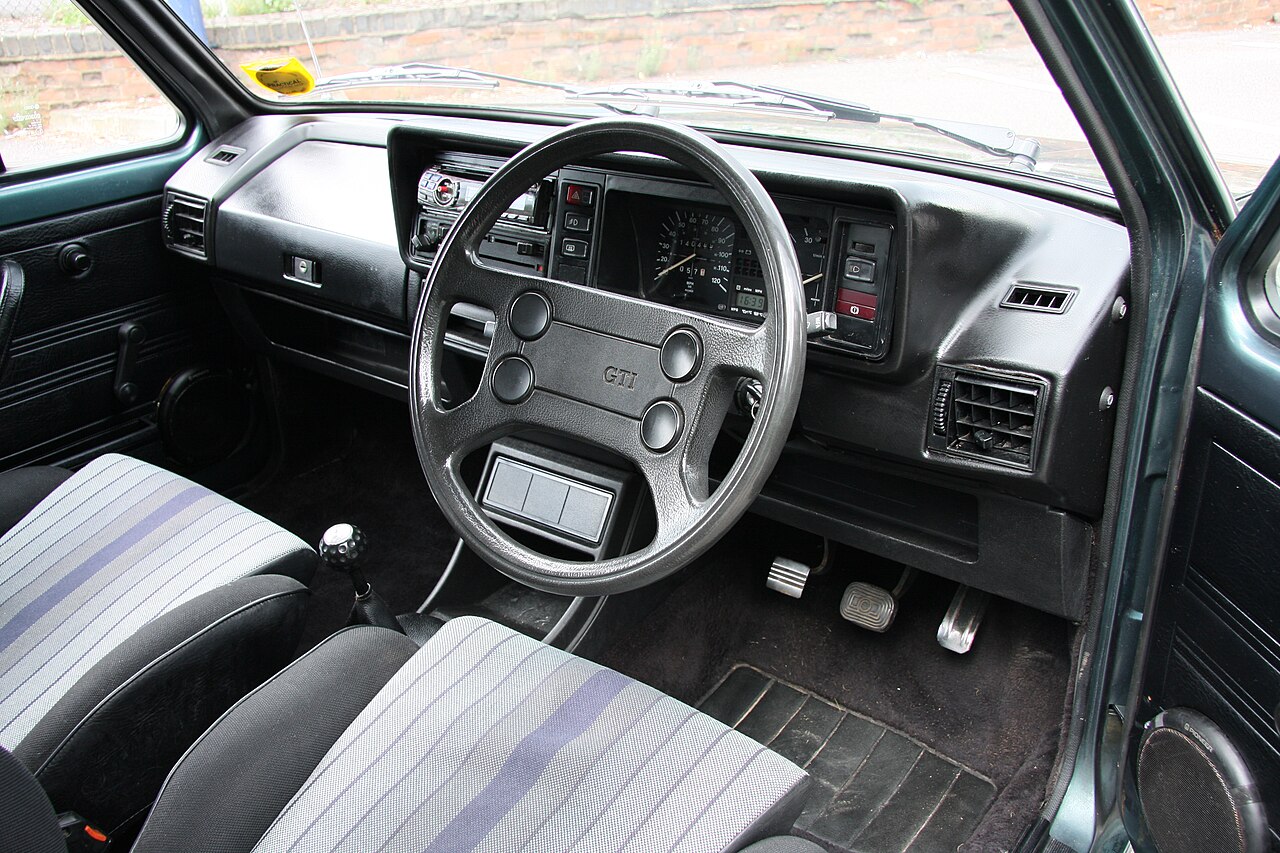
Engineering Foundations & Design Evolution
The fifth-generation Golf, developed under the internal codename Typ 1K, was built atop Volkswagen's A5 (PQ35) platform and first shown to the public at the Frankfurt Motor Show in October 2003 before reaching European showrooms as a 2004 model. Compared with its Mk4 predecessor, the car received a modest increase in overall dimensions, revised suspension geometry, and retuned chassis components that together delivered a slightly more refined driving experience.
Cargo capacity grew by approximately twenty litres, a meaningful gain for a compact hatchback. Aerodynamic efficiency was a clear design priority, with the body achieving a drag coefficient of just 0.32. The model's production window ran from August 2003 through 2008 for the hatchback body styles, though its successor, the Mk6, was pulled forward to the autumn of 2008 in Europe following its official unveiling at the Paris Motor Show in September of that year, effectively compressing the final months of the Mk5's life.
Reader's Guide
The Golf Mk1 arrived at a critical time for Volkswagen. By 1974, the company posted a DM 807,000,000 loss, driven by slumping Beetle sales, rising R&D costs, the Nixon shock's effect on US exports, and the OPEC oil crisis. The Golf represented a fundamental break from the Beetle's rear-engine, rear-drive layout, adopting front-wheel drive and water-cooled engines from Audi technology. Its development was accelerated after Rudolf Leiding became director general in 1971 and cancelled the Porsche-designed EA266 project.
The Golf's Giugiaro-penned design became a landmark, with Giugiaro himself considering it the most important design of his career. The car was sold as the Rabbit in the United States and Canada, and as the Caribe in Mexico. Its success helped Volkswagen survive its financial crisis and established a new platform that would define the company for decades.
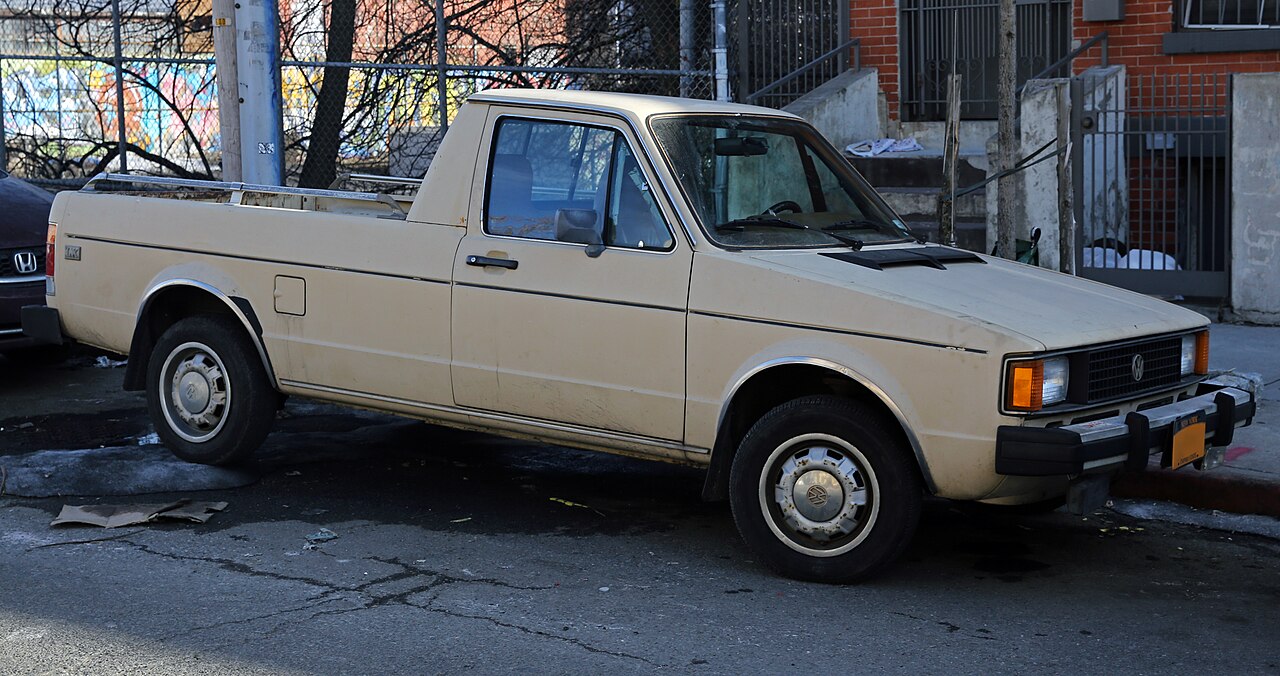
Frequently Asked Questions
What is the Volkswagen Golf Mk1?
The Golf Mk1 was Volkswagen's first-generation small family hatchback, debuting in Europe in May 1974 as the Type 17. It came in three- and five-door hatchback body styles and marked the brand's first front-wheel-drive, front-engine layout.
How did the Golf Mk1 differ from the Beetle it replaced?
The Golf abandoned the Beetle's rear-mounted, air-cooled engine in favor of a front-mounted, water-cooled unit mounted transversely, paired with front-wheel drive. This fundamental layout change gave the car a more conventional drivetrain arrangement and better interior packaging.
Who designed the Volkswagen Golf Mk1?
The exterior styling was handled by Giorgetto Giugiaro through his firm Italdesign. His clean, boxy hatchback lines gave the car a modern look that contrasted sharply with the rounded Beetle.
What was the Golf Mk1 called in the United States and Canada?
In North American markets the car was sold under the name Volkswagen Rabbit. In Mexico it carried the name Caribe, though the underlying Type 17 platform and mechanicals remained the same.
More in Can-Am and Sports Racing Cars
Sources
Compiled from Wikipedia and the sources listed below. Text from Wikipedia is available under CC BY-SA 4.0; this entry is adapted from it.
- Wikipedia: Volkswagen Golf Mk1 (CC BY-SA 4.0).
Spotted an error? Know more?
Reader corrections go straight into our review queue. Suggest an edit · How this site is sourced