
William Fargo

Andre Carrotflower · CC BY-SA 4.0
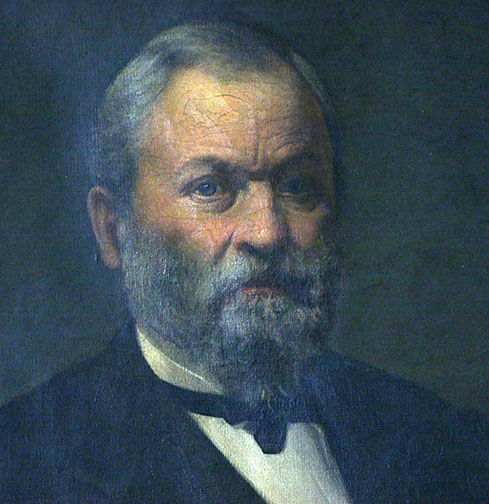
William George Fargo (May 20, 1818 – August 3, 1881) was an American businessman and politician. He and Henry Wells co-founded Wells Fargo, which began as a shipping, mail delivery, stagecoach, and banking company and later grew into a major financial services corporation, now one of the Big Four U.S. banks by assets. Fargo also co-founded American Express with Wells and John Butterfield.
Fargo was born in Pompey, New York, the eldest of twelve children. His father, William C. Fargo, fought in the War of 1812 and was wounded at the Battle of Queenston Heights. Fargo had only a basic primary school education.
At 13, he left school to carry mail in Pompey. In 1838, he worked for a Syracuse grocery company, then for other grocers, and later as a clerk. By 1841, he was a freight agent and express messenger for the Auburn and Syracuse Railroad. In 1843, he became a resident agent in Buffalo and joined Livingston, Wells & Co. as a messenger.
In 1845, with Henry Wells and Daniel Dunning, Fargo organized Western Express, running from Buffalo to Cincinnati, St. Louis, and Chicago. Dunning withdrew, and in 1846 Wells sold his interest to William A. Livingston, forming Livingston, Fargo & Company. In 1850, three express companies—Wells & Company, Livingston, Fargo & Company, and Wells, Butterfield & Company—merged to form American Express, with Wells as president and Fargo as secretary. In 1866, after Wells resigned and American Express merged with Merchants Union Express, Fargo became president, serving until his death in 1881.
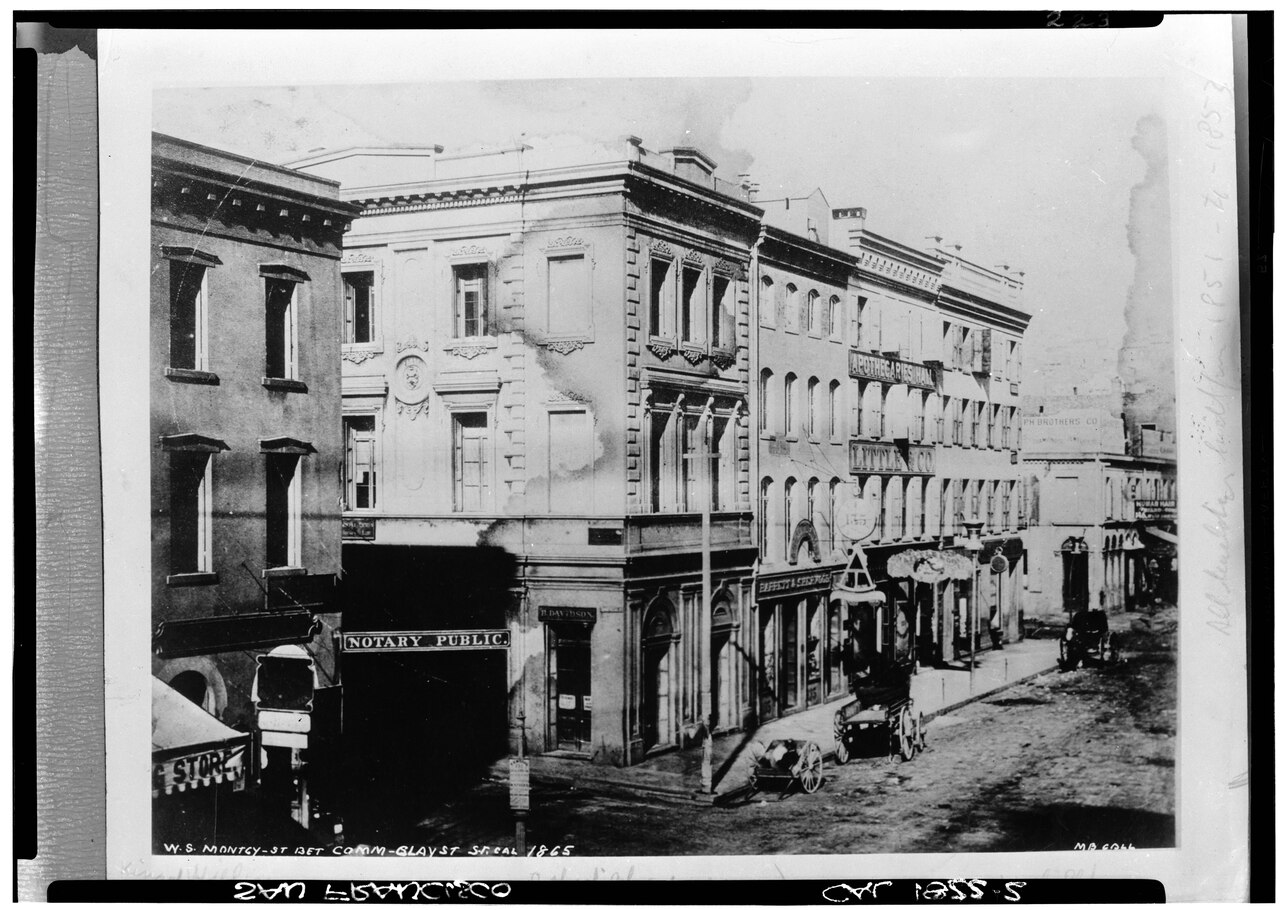
In 1852, Wells and Fargo created Wells Fargo & Co. after Butterfield and other American Express directors opposed extending operations to California. The new company handled express and banking services between New York and San Francisco via Panama, including gold buying and bank drafts. It opened in San Francisco and soon expanded to other Western cities and mining camps. In 1861, Wells Fargo bought and reorganized the Overland Mail Co., which Fargo had helped promote.
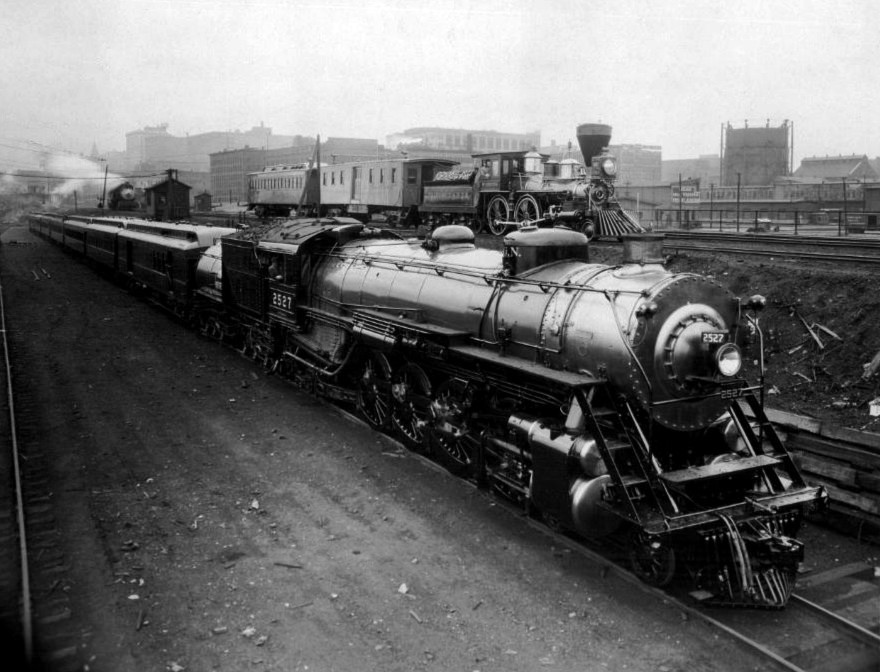
Fargo was a director and vice-president of the New York Central Railroad, a director and shareholder of the Northern Pacific Railway, a director of the Buffalo, New York and Philadelphia Railroad, and a shareholder in the Buffalo Coal Company and the McKean and Buffalo Railroad. He also held stock in several Buffalo manufacturing firms.
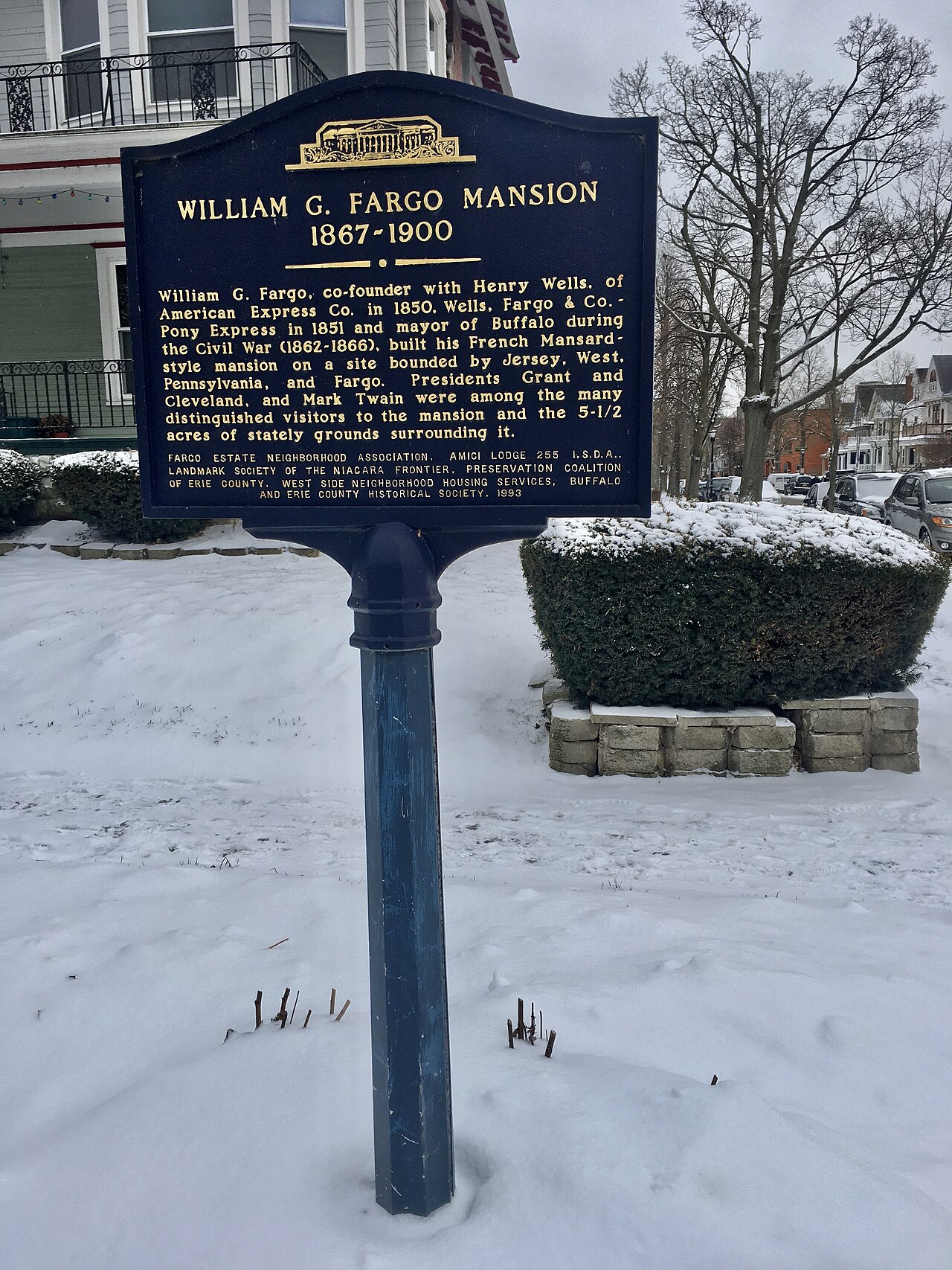
In 1861, he was elected mayor of Buffalo, serving from 1862 to 1866. He won a second term in 1863, defeating future mayor Chandler J. Wells. During his term, the Buffalo riot of 1862 occurred. A lifelong Democrat, he opposed secession and supported the Union during the Civil War by paying part of the salaries of drafted employees.
In January 1840, Fargo married Anna H. Williams. They had eight children, several of whom died young. Their daughter Helen Lacy Fargo married diplomat Herbert G. Squiers.
- field
- Business, Politics
- nationality
- American
- known_for
- Co-founder of Wells Fargo and American Express
Quick Facts
- Birth Name
- William George Fargo
- Birth Date
- May 20, 1818
- Birth Place
- Pompey, New York, U.S.
- Death Date
- 1881-08-03
- Death Place
- Buffalo, New York, U.S.
- Resting Place
- Forest Lawn Cemetery, / Buffalo, New York
- Office
- 27th Mayor of Buffalo
- Term
- 1862–1866
- Predecessor
- Franklin A. Alberger
- Successor
- Chandler J. Wells
- Party
- Democrat
- Occupation
- Expressman, banker, politician
Facts from the source article.
Lore & Background
His education was limited to primary school. At age 13, he left school and began carrying mail for his native village. After three years, he obtained a clerkship in the forwarding house of Dunford & Co., Syracuse. as messenger. Louis, Chicago, and intermediate points, under the name Wells & Co. to facilitate express business between New York and San Francisco via the Isthmus of Panama, offering banking and express services. He married Anna H.
Reader's Guide
As co-founder of Wells Fargo, he helped establish a company that began as a shipping, mail, stagecoach, and banking enterprise and evolved into one of the Big Four banks in the United States. Fargo's career began humbly as a mail carrier and progressed through various express and freight roles, demonstrating the rise of express transportation and banking in 19th-century America. His brother, J. C.
Did You Know?
- William Fargo was the eldest of twelve children and left school at age 13 to carry mail for his native village.
- His brother, J. C. Fargo, succeeded him as president of American Express after his death.
- Fargo was a director and vice-president of the New York Central Railroad Company and a director of the Northern Pacific Railway.
Gallery


Frequently Asked Questions
Who is William Fargo?
William George Fargo (1818–1881) was an American businessman and politician best known for co-founding both Wells Fargo and American Express. He was born in Pompey, New York, and built his career across shipping, mail delivery, stagecoach, and banking industries.
What companies did William Fargo co-found?
Fargo partnered with Henry Wells to establish Wells Fargo, which began as a combined shipping, mail, stagecoach, and banking operation. He also helped launch American Express alongside Wells and John Butterfield.
Why is William Fargo considered important in business history?
Wells Fargo grew from a modest regional carrier into one of the four largest U.S. banks by assets, making Fargo's early vision a cornerstone of modern American finance. American Express likewise became a globally recognized financial services brand rooted in his co-founding.
What was William Fargo's role at Wells Fargo?
He served as a co-founder and driving force behind the company's original operations in shipping, mail delivery, stagecoach transport, and banking. His partnership with Henry Wells shaped the firm's early identity before it evolved into a major financial institution.
When and where did William Fargo die?
Fargo passed away on August 3, 1881, at the age of 63. His life's work, however, continued well beyond his death through the institutions he helped create.
More in Business Tycoons & Entrepreneurs 1-20
Spotted an error? Know more?
This is a living reference — every entry is fact-audited, and reader corrections feed straight into our audit queue. Suggest an edit · See this site's audit record