Darlin' Cory
American folk song of love, loss, and moonshine.
Last updated
This American folk song, sometimes called "Darling Corey" or "Darling Cora," tells a story of love, loss, and moonshine. Its themes connect it to songs like "Little Maggie" and "The Gambling Man," though it remains a distinct tune.
Early printed versions
The song "Darlin' Corey" first appeared in print as part of "The Gambling Man," a tune folklorist Cecil Sharp collected from Mrs. Clercy Deeton on September 19, 1918, in Burnsville, North Carolina. Its lyrics were later published alone as "Little Cora" in Harvey H. Fuson's 1931 book Ballads of the Kentucky Highlands. A version sung by Aunt Molly Jackson was included in Our Singing Country (1941) by John A. and Alan Lomax. The song also appeared in Folk Song, U.S.A. (1947), co-edited by the Lomaxes with Charles Seeger and Ruth Crawford Seeger.
Early recordings
The first attempt to record this song commercially was Clarence Gill's "Little Corey" on January 6, 1927, but the record company passed on it. Buell Kazee got it out as "Darling Cora" a few months later on April 20, 1927 (Brunswick 154). B. F. Shelton cut an influential take, "Darlin' Cora," at the famous Bristol Sessions on July 29, 1927 (Victor 35838). Dick Justice's "Little Lulie" followed in 1929, and the Monroe Brothers released "Darling Corey" as a single in 1936.
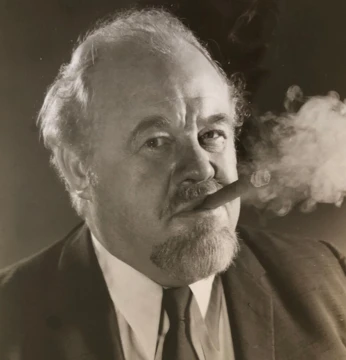
That Monroe Brothers version later appeared on the 1941 compilation Smoky Mountain Ballads, produced and annotated by folklorist John A. Lomax for Victor Records. Unlike earlier regional hillbilly records, this set targeted urban listeners and became a go-to source for folk revival singers like Pete Seeger. Burl Ives also recorded "Darlin' Cory" on May 28, 1941, for his debut album Okeh Presents the Wayfaring Stranger, which came out in August 1941 with liner notes by Alan Lomax.
More in Burl Ives Songs
Sources
Compiled from Wikipedia and the sources listed below. Text from Wikipedia is available under CC BY-SA 4.0; this entry is adapted from it.
- Wikipedia: Darlin' Cory (CC BY-SA 4.0).
Spotted an error? Know more?
Reader corrections go straight into our review queue. Suggest an edit · How this site is sourced