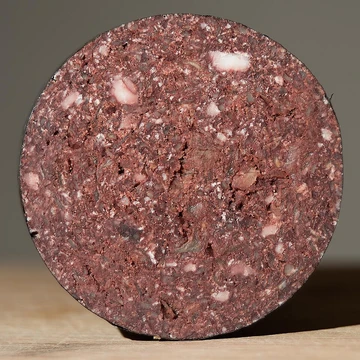
Suet pudding
A boiled or steamed British pudding made with suet.
A suet pudding is a British dish made from wheat flour and suet, the raw hard fat from around the kidneys of beef or mutton. It can be boiled, steamed, or baked, and may be sweet or savoury. Many well-known British puddings, such as spotted dick and Christmas pudding, are variations of suet pudding.
Quick Facts
- Place of origin
- United Kingdom
- Main ingredients
- Wheat flour and Suet
- Variations
- Spotted dick
- Christmas pudding
- Treacle pudding
- Clootie dumpling
- Jam Roly-Poly
- Paignton
- Sussex pond pudding
Facts from the source article.
Did You Know?
- Suet has a melting point between 45 and 50 C, while butter melts between 32 and 35 C.
- When a suet pudding is cooked, the suet melts after the pastry has set, leaving holes that give a lighter, fluffier texture.
- Modern recipes may substitute butter or vegetable shortening for suet.
History
Suet pudding has been around since at least the early 1700s. This dessert evolved from a meat-based dish. Its ancestor was pottage, a Roman-era stew of meat and vegetables slow-cooked in a large pot with dried fruit, sugar, and spices. By the 1400s, plum pottage combined meat, vegetables, and fruit and was served as a first course. The term "suet pudding" refers to the fat from around animal kidneys mixed into the flour. In Britain, "pudding" covers steamed sweet or savoury dishes, as well as Yorkshire Pudding and Bread and Butter Pudding.
Cultural references
George Orwell wrote of suet's position in English society.
More in British Puddings
Spotted an error? Know more?
Reader corrections go straight into our review queue. Suggest an edit · How this site is sourced