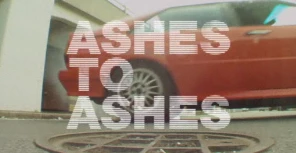
Fairy Tales (TV series)
Traditional fairy tales reimagined in modern settings.

Francis Bradley Bradley-Birt · Public domain
Fairy Tales is a British television drama anthology series produced by Hat Trick Productions for BBC Northern Ireland and broadcast on BBC One. The series adapts traditional fairy tales into modern settings, following the model of earlier anthology series such as ShakespeaRe-Told and The Canterbury Tales. The first episode aired on 10 January 2008, with subsequent episodes broadcast weekly.
- Producer
- Hat Trick Productions
- Network
- BBC One
- First broadcast
- 10 January 2008
- Country
- United Kingdom
- Genre
- Drama anthology
- Episodes
- 4 (as listed)
Lore & Background
The second episode, 'Cinderella', aired on 17 January 2008, written by Anil Gupta and Richard Pinto and directed by Peter Lydon. It follows cleaner Cindy Mellor, who aspires to become research assistant to celebrity anthropologist Hans Michael Prince. The third episode, 'The Empress's New Clothes', broadcast on 24 January 2008, stars Denise van Outen as a soap star obsessed with fashion. The final episode, 'Billy Goat', aired on 31 January 2008, and is set in a modern-day housing estate where trolls are portrayed as a marginalized community. Both the first episode 'Rapunzel' and 'Billy Goat' feature fantasy elements.
Reader's Guide
Fairy Tales represents a brief attempt by BBC Northern Ireland to update classic fairy tales for contemporary audiences, following the anthology format of earlier BBC series. The series is notable for its modern reinterpretations, such as turning Rapunzel into a tennis star and Cinderella into a university cleaner. Despite the creative premise, the series received relatively poor ratings, with the premiere attracting only 3.1 million viewers and a 13% audience share. The series is produced by Hat Trick Productions and consists of four episodes, each based on a different fairy tale. Its legacy lies in its place within the BBC's tradition of literary adaptation, though it did not achieve the same cultural impact as its predecessors ShakespeaRe-Told or The Canterbury Tales.
Concept & Production Framework
Fairy Tales was a four-part British drama anthology created by Hat Trick Productions for BBC Northern Ireland, with all episodes airing on BBC One. The series launched on 10 January 2008 and continued at weekly intervals, giving each installment its own dedicated broadcast slot. The central creative premise was to take the narrative skeletons of well-known fairy tales and transplant them into recognizably modern British environments, a strategy deliberately modeled on the successful precedents of ShakespeaRe-Told and The Canterbury Tales. Rather than preserving the period settings or magical mechanics of the original stories, the writers stripped each tale down to its core relational dynamics—overprotective authority, class aspiration, vanity, or the struggle against an obstructive gatekeeper—and rebuilt those dynamics around contemporary professions, social hierarchies, and personal conflicts. This approach positioned the series as a commentary on how archetypal power structures persist regardless of the era in which they appear.
Reimagining the Classics
Each of the four episodes anchored itself to a specific traditional tale while relocating its characters into a distinct modern world. In Rapunzel, the long-haired protagonist became a professional tennis player whose overprotective mother-manager surrounded her with female bodyguards and blocked all male contact. Cinderella was reimagined as a university cleaner in the anthropology department who aspired to become the research assistant of a celebrity professor, ultimately attending his lecture in a borrowed dress to make her case. The Empress's New Clothes followed a glamorous soap opera star whose obsessive devotion to designer fashion labels created its own set of complications. Billy Goat, meanwhile, cast a struggling band as the protagonists chasing success under the watchful eye of a difficult manager. Three of the four stories remained firmly grounded in the contemporary world, making the series a study in how fairy-tale power dynamics map onto modern professional and personal life.
Talent Behind the Camera and on Screen
The series assembled a varied slate of writers, directors, and performers across its four episodes. Ed Roe penned Rapunzel, directed by Catherine Morshead; Anil Gupta and Richard Pinto co-wrote Cinderella under director Peter Lydon; Debbie Horsfield wrote The Empress's New Clothes, directed by Paul Whittington; and Jeremy Dyson scripted Billy Goat, helmed by Euros Lyn. The on-screen cast was equally eclectic. Charity Wakefield, Geraldine James, and Lee Ingleby headlined the tennis drama; Maxine Peake, James Nesbitt, Harriet Walter, Lucy Punch, Lucinda Raikes, and Mona Hammond populated the university setting; Denise van Outen, Liz White, Rosie Cavaliero, Vincent Franklin, Kenny Doughty, and Tobias Menzies appeared in the fashion-focused episode; and Bernard Hill, Paul Nicholls, Mathew Horne, Sarah Smart, Nick Mohammed, Holliday Grainger, and Moya Brady brought the band story to life. Sheridan Tongue contributed original compositions alongside source music for the Cinderella episode.
Reception and Distinctive Creative Choices
The series' opening episode, Rapunzel, attracted 3.1 million viewers and a 13 percent audience share, figures the production regarded as relatively modest for a BBC One slot. Beyond the ratings, the anthology made several distinctive creative decisions that set it apart from straightforward period adaptations. Most notably, Billy Goat was the sole episode to incorporate actual fantasy elements, situating its narrative in an alternate universe in which humans and trolls share the same world—a bold departure from the otherwise strictly contemporary framing of the other three installments. The Cinderella episode also stood out musically, blending source tracks with original compositions by Sheridan Tongue to create a tailored soundscape. Together, these choices underscored the series' willingness to push beyond the safe, purely realistic adaptation model, even as the bulk of the run remained firmly anchored in present-day British life.
Gallery

Frequently Asked Questions
What is Fairy Tales (TV series)?
It is a four-episode British drama anthology that takes well-known fairy tales and replants them in everyday, contemporary environments. The series premiered on BBC One on 10 January 2008 and was produced by Hat Trick Productions for BBC Northern Ireland.
How does Fairy Tales (TV series) differ from typical fairy tale adaptations?
Instead of keeping characters in castles or enchanted forests, the show transposes each story into a recognisably modern setting while preserving the original plot's emotional core. This reinterpretation strategy echoes earlier BBC anthologies like ShakespeaRe-Told and The Canterbury Tales.
How many episodes are in Fairy Tales (TV series) and how were they released?
The series runs to four episodes, each dedicated to a different traditional tale. They aired on a weekly schedule, with the first broadcast landing on 10 January 2008.
Who produced Fairy Tales (TV series)?
Hat Trick Productions was responsible for developing and producing the series on behalf of BBC Northern Ireland. The finished episodes were then broadcast to the wider UK audience on the BBC One channel.
Why do fans consider Fairy Tales (TV series) noteworthy?
It occupies a niche in British TV where classic literary narratives are given a grounded, present-day treatment rather than a period or fantasy one. Its tight four-episode format and the bold choice to modernise beloved stories set it apart from more straightforward retellings.
More in British fantasy drama television series 1-24
Spotted an error? Know more?
Reader corrections go straight into our review queue. Suggest an edit · How this site is sourced