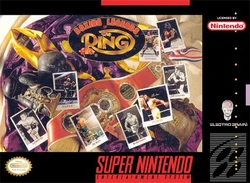
James J. Corbett
He defeated John L. Sullivan and was a World Heavyweight Champion.

James John Corbett, a professional boxer born in 1866, became a World Heavyweight Champion and is best remembered as the only man to defeat the legendary John L. Sullivan, establishing the "man who beat the man" concept in boxing lineage. Despite a relatively short career of only twenty bouts, he faced the highest level of competition, fighting nine opponents who later joined him in the International Boxing Hall of Fame. Corbett revolutionized the sport by introducing a scientific, technique-driven approach that prioritized skill over brute force, and he pioneered the daily training regimen that boxers still use today. Known as a "big-money fighter," his showmanship inside and outside the ring matched his boxing talent, and he arguably became the first modern sports sex symbol when film of his championship fight against Robert Fitzsimmons was shown worldwide, popularizing boxing among female audiences—all during an era when prizefighting was illegal in twenty-one states and considered a crime against morality. Corbett also pursued acting before and after his boxing career. The son of an Irish immigrant, he graduated from Sacred Heart High School in San Francisco and was rumored to have a college education. Dubbed "Gentleman Jim," he is often called the "Father of Modern Boxing." His 1891 fight with Peter Jackson, a no-contest after sixty-one rounds, brought him national fame and led to a match with Sullivan, whom he knocked out in the twenty-first round in 1892 to win the heavyweight title. Corbett rarely defended his title, using it instead as a promotional tool for theatrical performances and exhibitions. He successfully defended once, knocking out Charley Mitchell in three rounds in 1894. That same year, he participated in one of the first recorded boxing films, a match with Peter Courtney. In 1897, Corbett lost his championship to Fitzsimmons in Carson City, Nevada, after dominating most of the fight but succumbing to a body blow in the fourteenth round. The fight was released as the longest film of its time. Devastated, Corbett tried to arrange a rematch, but Fitzsimmons refused, possibly due to personal dislike.
- born
- September 1, 1866
- died
- February 18, 1933
- field
- Professional boxing
- nationality
- American
- known_for
- Defeating John L. Sullivan; father of modern boxing; scientific boxing technique
Verified Timeline
Lore & Background
Corbett and Choynski fought professionally three times. Both were from the San Francisco area, and thus generated a lot of local interest in their rivalry. The highlight of their series of bouts was fought on June 5, 1889, on a barge off the coast of Benicia, California. The principals agreed that the bout was to be fought wearing two ounce gloves. Corbett had apparently hurt his hand, and Choynski learned of the injury. Accordingly, Choynski "forgot" to bring his gloves to the match, thereby hoping the fight would proceed as a bare-knuckle bout. Corbett, however, declined to fight bare-knuckle, but agreed to allow Choynski to wear leather riding gloves borrowed from a spectator. The riding gloves were seamed, and caused Corbett to suffer many cuts and welts. Nevertheless, Corbett won the legendary bout when he KOed Choynski in the 27th round.
Reader's Guide
Corbett revolutionized boxing by introducing a scientific method that prioritized technique and innovation over raw power, earning him the title "Father of Modern Boxing." He pioneered a daily training regimen that became the standard for the sport and remains largely unchanged today. His showmanship in and out of the ring made him a major financial attraction, and he became arguably the first modern sports sex symbol when film of his championship fight against Bob Fitzsimmons was shown worldwide, greatly increasing boxing's popularity among women. This occurred during an era when prizefighting was illegal in 21 states and considered a serious crime against morality. Corbett's career was brief, spanning only 20 bouts, yet he faced the highest level of competition, fighting nine opponents who later joined him in the International Boxing Hall of Fame. He is best known as the only man to defeat John L. Sullivan, establishing the "man who beat the man" concept of championship lineage. His most famous early bout was a 61-round no-contest with Peter Jackson, which brought him national attention. Corbett's victory over Sullivan came via a 21st-round knockout in New Orleans, where his scientific style allowed him to evade Sullivan's rushes and wear him down with jabs. He defended his title only once, knocking out Charley Mitchell in three rounds, as boxing was outlawed in most states and arranging fights was difficult. He lost the championship to Fitzsimmons in 1897, a fight released as the longest film of its time. Corbett also pursued acting before and after boxing, and his brother Joe became a Major League Baseball pitcher.
Did You Know?
- Corbett and Choynski fought three times professionally, with the most famous bout taking place on a barge off Benicia, California on June 5, 1889.
- In that barge fight, Choynski forgot his gloves and instead wore seamed leather riding gloves borrowed from a spectator, which cut Corbett badly.
- Despite the cuts from the riding gloves, Corbett knocked Choynski out in the 27th round.
- Corbett defeated John L. Sullivan to become World Heavyweight Champion.
A Lighter Man Among Giants
Joseph Bartlett Choynski was an American boxer who fought professionally from 1888 to 1904. He weighed no more than 176 lb (80 kg) throughout his career but regularly fought heavyweights. He was considered a heavy puncher and a dangerous fighter. Choynski is known for knocking out world heavyweight champions Jack Johnson and Peter Maher in non-title bouts, and drawing against world heavyweight champions James J. Jeffries, Bob Fitzsimmons, Marvin Hart and Tom Sharkey. He also fought notable fights against James J. Corbett, Gus Ruhlin, Barbados Joe Walcott, George Godfrey and Kid McCoy. In 1892 he KOd a 39-year-old legend in Boston's George Godfrey. Choynski was never given an opportunity to fight for the heavyweight title.
The Barge Fight and the Glove Gambit
The rivalry between Choynski and Corbett generated enormous local interest, as both men hailed from the San Francisco area. They met professionally three times, but the most celebrated encounter took place on June 5, 1889, aboard a barge off the coast of Benicia, California. The principals had agreed on two-ounce gloves for the bout. However, Corbett had apparently injured his hand, and Choynski learned of the problem. In a calculated move, Choynski "forgot" to bring his own gloves to the event, clearly hoping the fight would proceed as a bare-knuckle affair. Corbett refused to go bare-knuckle but did permit Choynski to wear a pair of leather riding gloves borrowed from a spectator. Those seamed riding gloves inflicted numerous cuts and welts on Corbett. Despite the disadvantage, Corbett ultimately prevailed, knocking Choynski out in the 27th round of what became a legendary contest in early boxing history.
The Punch That Broke a Tooth
On November 30, 1892, Choynski faced the heavier and stronger James J. Jeffries in a 20-round contest that ended in a draw. The bout produced one of the most vivid anecdotes in early heavyweight boxing. Jeffries himself later claimed that the hardest blow he ever absorbed in any fight came from Choynski during this very match. A single right hand from Choynski struck Jeffries with such force that it drove one of the champion's own teeth deep into his lip. The tooth became so firmly lodged that one of Jeffries' cornermen had no choice but to reach into his mouth between rounds and cut the tooth free with a knife. This incident underscored Choynski's reputation as a heavy puncher capable of landing devastating blows even against opponents who outweighed him. The draw also cemented his standing among the elite of the heavyweight division, proving he could compete at the highest level for the full distance of a 20-round fight.
A Mentor, a Man, and a Legacy
Beyond his own ring exploits, Choynski left a quieter but equally significant mark on boxing history. After knocking out the young Jack Johnson in three rounds on February 25, 1901, Choynski stepped into the trainer's corner, guiding the younger man's development of the very style that would later carry him to the world heavyweight throne. This mentorship transformed a defeated opponent into a future king of the division. Off the canvas, he carried the colorful nickname "Chrysanthemum Joe," a moniker said to have come from his long, flowing hair—a look that was quite unusual for a fighter of that period. He married actress Louise Anderson Miller in Cincinnati in 1895. He passed away on January 24, 1943. His contributions were finally acknowledged in 1991 with induction into the International Jewish Sports Hall of Fame, followed by the International Boxing Hall of Fame in 1998.
Frequently Asked Questions
Who is James J. Corbett?
James J. Corbett was an American professional boxer who held the World Heavyweight Championship in the late 1890s. He is most remembered for being the first fighter to knock out John L. Sullivan, a feat that cemented his place in boxing history.
How did James J. Corbett defeat John L. Sullivan?
In 1892, Corbett knocked out Sullivan in the ninth round, ending the larger man's long dominance of the heavyweights. That victory established the 'man who beat the man' lineage that became the foundation of championship boxing.
What made James J. Corbett's training approach revolutionary?
Corbett was one of the first fighters to treat boxing as a science rather than relying purely on raw power. He built structured daily routines and focused on technique, footwork, and strategy, setting a template that future champions would follow.
Why is James J. Corbett called the 'father of modern boxing'?
His emphasis on disciplined training, technical skill, and strategic planning shifted the sport away from the brawling style of earlier eras. By proving that a smaller, smarter fighter could outwork a bigger one, he fundamentally changed how the heavyweights division was approached.
When was James J. Corbett born and when did he die?
He was born on September 1, 1866, and passed away on February 18, 1933. He lived to see his legacy endure as one of the most influential figures in the history of professional boxing.
More in Boxing Legends 1-24
Spotted an error? Know more?
This is a living reference — every entry is fact-audited, and reader corrections feed straight into our audit queue. Suggest an edit · See this site's audit record