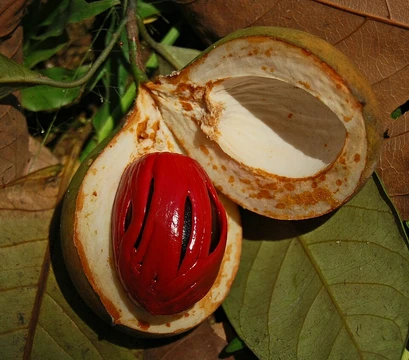
Radicle
The embryonic root that first emerges from a germinating seed.
Last updated
The radicle is the first part of a seedling to emerge from the seed during germination, functioning as the embryonic root. It grows downward in the soil through positive geotropism, absorbing water and nutrients, and is classified into two types based on its orientation relative to the seed's hilum.
Quick Facts
- Field
- Botany
- Known for
- First part of a seedling to emerge during germination; embryonic root
- Classification types
- Antitropous and syntropous
- Associated disease
- Pre-emergence damping off
Facts from the source article.
Lore & Background
In botany, the radicle is the first part of a seedling to emerge from the seed during germination, emerging through the micropyle. It is described as part of the embryonic axis, combined with the hypocotyl. The radicle's emergence is noted as either the terminal part of the second of two phases, the third of three phases, or the fifth of nine stages of germination, reflecting uncertainty in the literature. The radicle is the embryonic root, growing downward in the soil due to positive geotropism, and it absorbs water and nutrients.
Radicles are classified into two main types: those pointing away from the seed coat scar or hilum are antitropous, and those pointing toward the hilum are syntropous. If the radicle begins to decay, the seedling undergoes pre-emergence damping off, which appears as darkened spots and eventually causes death. Darwin wrote, 'It is hardly an exaggeration to say that the tip of the radicle thus endowed [...] acts like the brain of one of the lower animals; the brain being situated within the anterior end of the body, receiving impressions from the sense-organs, and directing the several movements.'
The First to Break Free
The radicle holds a singular distinction in the life of a seed: it is the very first structure of the emerging seedling to push its way out of the seed coat. Botanists describe germination as a biomechanical process, and within that framework the radicle, together with the hypocotyl, forms what is called the embryonic axis of the seed. This axis represents the foundational structural plan from which the entire young plant will unfold. The actual exit point is precise — the radicle forces its way out through the micropyle, a tiny opening in the seed coat.
In terms of timing, the radicle's emergence marks a critical milestone. Depending on how the germination sequence is divided, it represents either the terminal event of a two-phase model, the third and final phase of a three-phase model, or the fifth step in a nine-stage progression. In every case, it signals that the seed has crossed the threshold from dormancy into active growth.
The Embryonic Root
Once the radicle has emerged from the seed, it assumes the identity of the plant's embryonic root — the first true root tissue the organism will ever possess. Its growth direction is not random; the radicle exhibits positive geotropism, meaning it consistently orients itself downward into the soil, following the pull of gravity. This downward trajectory is essential, because the radicle's primary biological role is to absorb water and dissolved nutrients from the surrounding soil.
In doing so, it establishes the plant's first independent connection to the external environment, transitioning the seedling from reliance on stored reserves within the seed to active uptake from the ground. The radicle thus serves as the foundational anchor of the root system, the structure from which all subsequent root development will branch. Its successful establishment in the soil is what allows the seedling to progress beyond the germination phase and begin the long process of vegetative growth.
Two Orientations of Origin
Not all radicles are positioned identically within their seeds. Botanists classify them into two principal types based on their spatial relationship to a specific landmark on the seed coat: the hilum, which is the scar left where the seed was once attached to the parent plant's ovule wall. A radicle that points away from this hilum is termed antitropous, while one that points toward the hilum is classified as syntropous.
This seemingly minor directional difference reflects deeper variations in how the embryo is arranged within the seed and how the embryonic axis is oriented relative to the seed coat. The distinction matters because it influences the initial trajectory of the emerging root and, by extension, the early geometry of the seedling's establishment in the soil. Understanding whether a given species produces antitropous or syntropous radicles is therefore a useful taxonomic and developmental observation, revealing the structural logic that governs how a new plant first reaches for the ground.
Darwin's Living Brain and the Threat of Decay
He observed that the tip of the radicle, endowed with its capacity to sense and respond to its environment, functions much like the brain of a lower animal — situated at the anterior end, receiving impressions from sense-organs, and directing the organism's movements. This comparison elevated the radicle from a simple structural element to a site of active, quasi-neural behavior, a perspective that anticipated modern research into plant perception. Yet the radicle is also a point of vulnerability. If it begins to decay, the seedling succumbs to a condition known as pre-emergence damping off, a disease that manifests as darkened spots on the radicle tissue and ultimately kills the young plant before it ever reaches the surface.
Reader's Guide
The radicle is a fundamental concept in plant biology, representing the first visible sign of germination and the origin of the root system. Its emergence marks a critical transition from seed dormancy to active growth, and its health is essential for seedling survival. The classification into antitropous and syntropous types provides insight into seed anatomy and orientation. Darwin's comparison of the radicle tip to a brain highlights its role in directing growth responses, influencing later studies in plant perception and physiology.
Understanding the radicle is key to agriculture, horticulture, and ecology, as it affects crop establishment and plant development. The disease pre-emergence damping off underscores the vulnerability of this early stage. The radicle's study bridges classical botany with modern plant science, emphasizing the importance of root systems in plant life.
More in Botany & Plant Biology
Sources
Compiled from Wikipedia and the sources listed below. Text from Wikipedia is available under CC BY-SA 4.0; this entry is adapted from it.
- Wikipedia: Radicle (CC BY-SA 4.0).
- Word definitions: the Codexery glossary, each quoted from its Wikipedia article.
Spotted an error? Know more?
Reader corrections go straight into our review queue. Suggest an edit · How this site is sourced