Frequently Asked Questions
The most-asked questions about battery types.
What exactly is a 'battery type' in the broader sense?
A battery type refers to a specific electrochemical design that converts stored chemical energy into electrical energy, defined by its chemistry, form factor, and intended application. The major families include alkaline, lithium-ion, lead-acid, nickel-metal hydride, and zinc-carbon, each with distinct voltage profiles and rechargeability.
Who are the 'main characters' in the battery world?
Lithium-ion dominates modern electronics and electric vehicles, alkaline powers most household devices, and lead-acid remains the workhorse for automotive starting. Nickel-metal hydride and zinc-carbon round out the core cast of chemistries most consumers encounter daily.
Where should a newcomer start when learning about battery types?
Begin by understanding the two broad categories—primary (single-use) and secondary (rechargeable)—then familiarize yourself with common consumer sizes like AA, AAA, and 9V. From there, explore how voltage, capacity in milliamp-hours, and discharge curves differentiate one chemistry from another.
What's the difference between primary and secondary batteries?
Primary batteries are designed for single use and are discarded once their internal chemical reaction is exhausted, while secondary batteries can be recharged hundreds to thousands of cycles by reversing that reaction. Alkaline and zinc-carbon are classic primaries; lithium-ion and NiMH are the most common secondaries.
What are the most common consumer battery sizes and what do the letters mean?
The 'A' in AA, AAA, and C denotes a standardized cylindrical form, with extra letters indicating progressively smaller diameters. 9V blocks and coin cells such as the CR2032 cover rectangular and flat formats, and the naming conventions trace back to early 20th-century military and industrial standards.
What's considered the most pivotal 'moment' in battery history?
The 1991 commercialization of lithium-ion by Sony is widely regarded as the turning point that made the portable-electronics and smartphone eras possible. Before that milestone, nickel-cadmium and alkaline set the practical ceiling for energy density in consumer devices.
What key specs should I compare when choosing a battery type?
Voltage (set by chemistry), capacity in milliamp-hours, discharge rate or C-rating, operating temperature range, and cycle life are the five numbers that matter most. Energy density in watt-hours per kilogram and self-discharge rate are secondary but important for long-term storage or high-drain use.
What's the practical difference between AA and AAA?
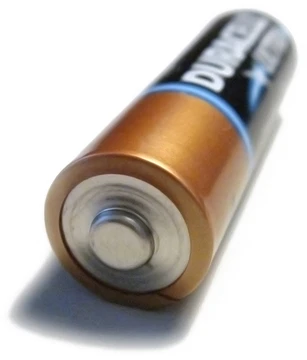
An AA cell is roughly 50 mm long and 14.5 mm in diameter, while an AAA is the same length but only about 10.5 mm wide, giving it roughly half the capacity. Both typically deliver 1.5 V in alkaline form, so the choice comes down to the device's physical space and current draw.
What safety and environmental concerns should fans be aware of?
Lithium-ion cells can vent, ignite, or rupture if punctured, overcharged, or exposed to extreme heat, so proper handling and disposal are critical. Alkaline and lead-acid batteries contain toxic heavy metals, which is why many regions mandate recycling programs rather than landfill disposal.
Which battery type do enthusiasts consider the most versatile 'fan favorite'?
Lithium-ion is the most frequently cited all-rounder because it pairs high energy density with low self-discharge and a wide voltage window suitable for everything from phones to electric vehicles. Alkaline remains the go-to for low-drain, long-shelf-life applications like remote controls and smoke detectors.