Frequently Asked Questions
The most-asked questions about basque domestic animal breeds.
What exactly are 'Basque domestic animal breeds'?
It is the collective label for livestock breeds that originated in or are strongly tied to the Basque Country, the green northern-Spanish and southwestern-French region. The group spans cattle, horses, sheep, goats, pigs, and poultry that have been selectively raised there for centuries.
Which breeds are considered part of the Basque domestic animal family?
The most frequently referenced include Pirenaic (Basque) cattle, the Txurro horse, Latxa sheep and goat, Carranzana sheep, the Txogittxu pig, and the Piloa chicken. Each maintains its own registry board and showing community.
Who are the key organizations or figures in the Basque breed community?
Breed-specific societies such as the Pirenaic cattle breeders' association and the Txurro horse registry board manage pedigree records and show standards. Broader stewardship falls to local ganaderos (family ranchers) and the Basque agricultural ministry, which funds conservation programs.
Where should a newcomer start learning about these breeds?
Begin with the official breed-association websites for standards and pedigree information, then attend a regional livestock fair like the San Fermín agricultural show in Pamplona. Many individual breeders also run small video channels documenting day-to-day herd and flock management.
What sets Basque breeds apart from other Iberian livestock?
They are generally hardy, medium-to-small-framed animals shaped by centuries of selection for wet-climate grazing on the northern coast and Pyrenean foothills. Their builds, coat patterns, and calm temperaments reflect that maritime-and-mountain environment rather than the arid conditions that shaped many other Spanish breeds.
What is the Txurro horse and why do fans love it?
The Txurro is a small, sturdy Basque pony-type horse historically used for herding and mountain transport. Fans appreciate its gentle disposition, its distinctive black-and-white or bay coloring, and the fact that it still works on family farms rather than existing solely as a show animal.
What are Latxa animals and how do they differ from neighboring-region sheep and goats?
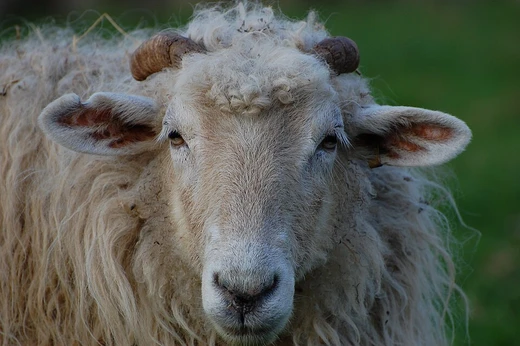
Latxa refers to both a hornless Basque sheep breed and a Basque goat breed, each valued for meat and, in the goat's case, cheese production. They are typically smaller and more compact than their Navarrese or Aragonese counterparts.
What is the Piloa chicken and what makes it notable?
The Piloa is a small, brightly colored Basque fowl bred for both eggs and meat in backyard and small-farm settings. It is one of the few Basque poultry breeds with a dedicated written standard and an active showing circuit.
Are any of these breeds at risk of disappearing?
Several, including the Txogittxu pig and certain Latxa lines, have been flagged as at-risk by Spanish and European conservation bodies as traditional smallholdings decline. Breeder associations run nucleus-herd and nucleus-flock programs specifically to preserve genetic diversity.
What is a landmark event or milestone fans often point to in the community's history?
The annual San Fermín agricultural and livestock fair in Pamplona is the community's biggest gathering, where champions are judged and the public meets the animals up close. Another frequently cited milestone is the formal recognition of Pirenaic cattle by the Spanish Ministry of Agriculture, which granted the breed its own official stud book.