Oxalis tuberosa
Andean root vegetable second only to potato in regional cultivation.
Last updated
Oxalis tuberosa is a perennial herbaceous plant cultivated for its underground stem tubers, known as uqa in Quechua and oca in Spanish. It was domesticated in the central and southern Andes and introduced to Europe and New Zealand around the 19th century. The tubers are used as a root vegetable and resemble potatoes.
Scientific classification
- CladeTracheophytes
- CladeAngiosperms
- CladeEudicots
- CladeRosids
- OrderOxalidales
- FamilyOxalidaceae
- GenusOxalis
- SpeciesOxalis tuberosa
Named by Molina
Sources: Wikipedia taxobox: Oxalis tuberosa (CC BY-SA 4.0)
How big is it?
Largest length in the source, 0.03 m, next to a 1.8 m person.
Diagram: drawn by Codexery, schematic shapes to scale (not a likeness). Length: Wikipedia: Oxalis tuberosa
Quick Facts
- Species
- tuberosa
Facts from the source article.
Cultivation
Oca is grown primarily by Quechua and Aymara farmers and has been a staple in rural Andean diets for centuries. Within the Central Andean region, it ranks second only to potato in area planted among root and tuber crops. Its role in crop rotations and high nutritional content make it essential for local food security. Andean farmers cultivate numerous varieties, distinguished by morphological traits, local names, or molecular markers.
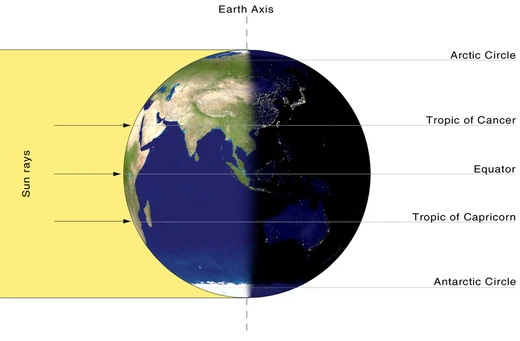
The plant was introduced to Europe in 1830 as a competitor to the potato and to New Zealand by 1860, where it is called yams and comes in colors such as yellow, orange, pink, apricot, and red. Oca is valued for its easy propagation and tolerance of poor soil, high altitude, and harsh climates. It requires a long growing season and is day-length dependent, forming tubers when days shorten in autumn. Outside the tropics, tuber formation begins around the autumn equinox, and frost soon after can kill the plant before tubers develop.
Oxalates limit yield, and scientists work on breeding, selection, and virus-cleaning programs to improve output. Oca grows with low inputs on marginal soils, tolerating pH between 5.3 and 7.8, and is often planted after potato to benefit from residual nutrients. Propagation is usually vegetative, by planting whole tubers.
Edibility
Oca is grown mainly for its edible stem tubers, but leaves and young shoots can be eaten as greens, and mature stems used similarly to rhubarb. Andean communities employ various processing and preparation methods; in Mexico, oca is eaten raw with salt, lemon, and hot pepper. Flavor ranges from slightly tangy to non-acidic depending on variety, and texture varies from crunchy when raw or undercooked to starchy or mealy when fully cooked. Oca is fairly high in oxalates, concentrated in the skin, with significant variation among varieties.
This variation defines two use-categories recognized by Andean farmers. Sour oca includes cultivars with high oxalic acid; farmers process these into a storage product called khaya by soaking tubers in water for about a month, then leaving them outside during hot days and freezing nights until dehydrated, similar to chuñu from bitter potatoes. Sweet oca contains lower oxalic acid levels; traditional preparation reduces oxalates without dehydration by exposing tubers to sunlight, which decreases organic acid content and increases sweetness.
Once sun-exposed, sweet oca can be boiled, baked, or fried, used in stews, soups, served like potatoes, or as a sweet. Sour and sweet oca form distinct genetic clusters based on AFLP data, suggesting separate evolutionary histories.
Did You Know?
- Oca morphotypes are distinguished by foliar, floral, fruit, stem, and tuber characteristics.
- The International Potato Center (CIP) in Peru holds several hundred oca accessions from Bolivia, Argentina, and Peru.
More in Autumn Equinox
Sources
Compiled from Wikipedia and the sources listed below. Text from Wikipedia is available under CC BY-SA 4.0; this entry is adapted from it.
- Wikipedia: Oxalis tuberosa (CC BY-SA 4.0).
Spotted an error? Know more?
Reader corrections go straight into our review queue. Suggest an edit · How this site is sourced