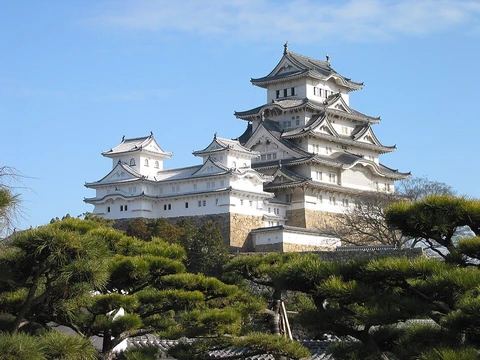
Siege of Fushimi Castle
A sacrificial defense that aided Tokugawa's strategic victory.
Torii Mototada commanded the Tokugawa-loyal garrison at Fushimi Castle, knowing his stand would end in defeat. His sacrifice drew Ishida Mitsunari’s Western army away from the Nakasendo fortresses, which Tokugawa Ieyasu attacked during the siege. Though the castle fell, this diversion was vital to Tokugawa’s larger strategic victories leading to the Battle of Sekigahara.
Quick Facts
- Conflict
- Siege of Fushimi
- Part of
- the Sengoku period
- Date
- 27 August – 8 September 1600
- Location
- Fushimi Momoyama castle, just outside Kyoto, Japan
- Territory
- Castle falls to Western army
- Result
- Mitsunari victory
Facts from the source article.
Background
Fushimi Castle began as a lavish home for Toyotomi Hideyoshi, but an earthquake leveled it in 1596. Tokugawa Ieyasu had it rebuilt and put Torii Mototada in charge. With conflict against Ishida looming, Tokugawa knew the castle, near Kyoto and controlling key routes, would draw enemy attacks. During a visit, he shared this worry with Torii. Torii promised to give up his life and the castle for Tokugawa’s broader plan. He even proposed cutting the garrison’s size so more soldiers could fight elsewhere, since he expected the castle to fall regardless.
Siege
The siege began on August 27, but Ishida’s forces made little headway for ten days. During this time, a tower caught fire, but a defender extinguished it at the cost of his own life. Later, an arrow carried a message into the castle: the wife and children of one defender had been taken hostage, and they would be crucified unless he betrayed his comrades. On September 8, a tower was set ablaze from within, allowing Ishida’s men to break in. Matsudaira Ietada died fighting Ishida Mitsunari. The central keep was then set on fire, but Torii Mototada and his garrison continued to resist until all but ten were dead.
Aftermath
After Torii and his family took their own lives, their act became a celebrated model of samurai devotion. Tokugawa soon reclaimed the castle after his victory at Sekigahara. The castle’s wooden flooring was later taken to Kyoto’s Hōsen-in temple and installed as a ceiling. That bloodstained ceiling remains there today, with period records identifying stains from Torii and his retainers.
More in Attacks on Castles in Japan
Spotted an error? Know more?
Reader corrections go straight into our review queue. Suggest an edit · How this site is sourced