
Ayub Khan
Second president of Pakistan, first native army chief, led 1965 war.

via Wikipedia: Ayub Khan · see source
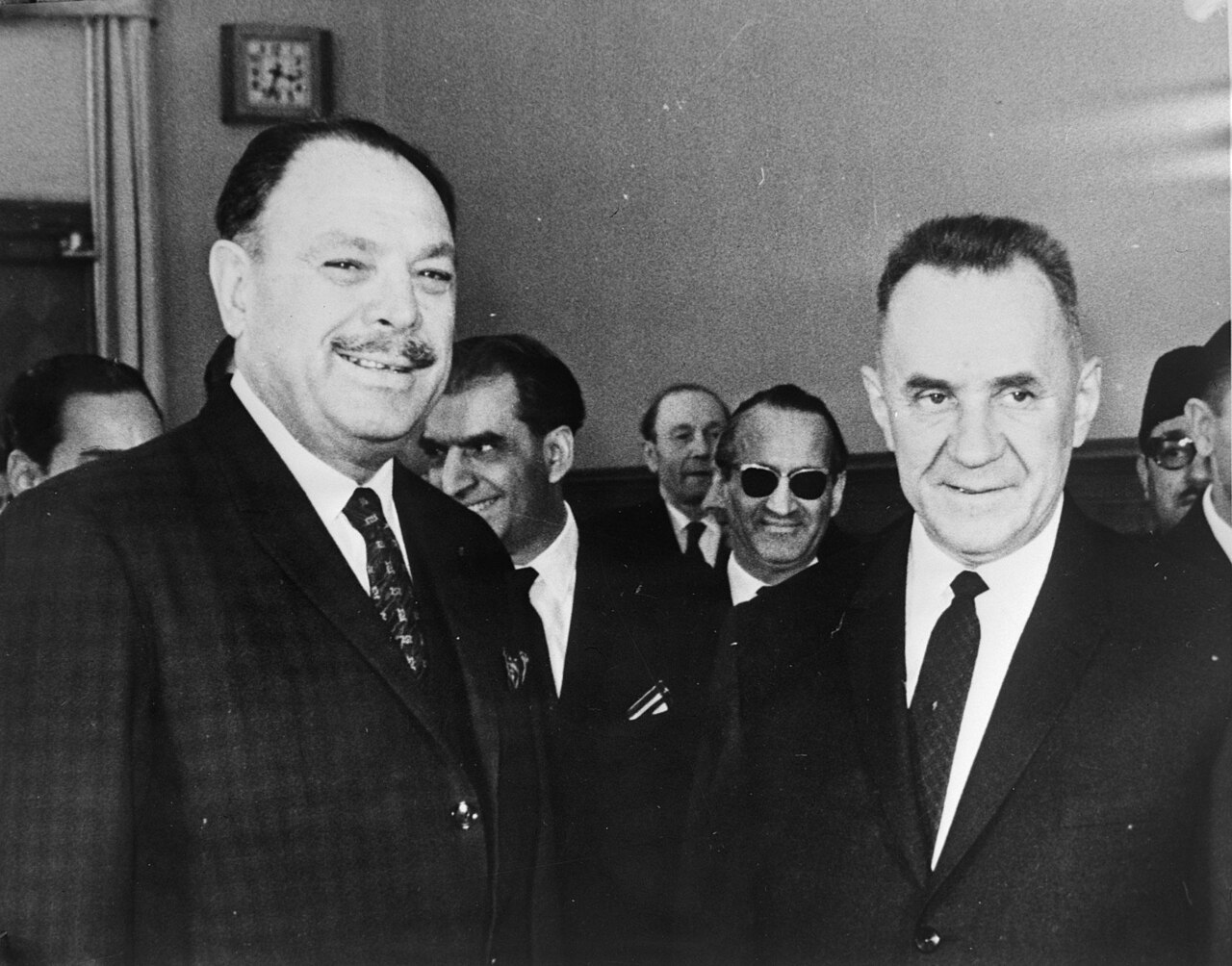
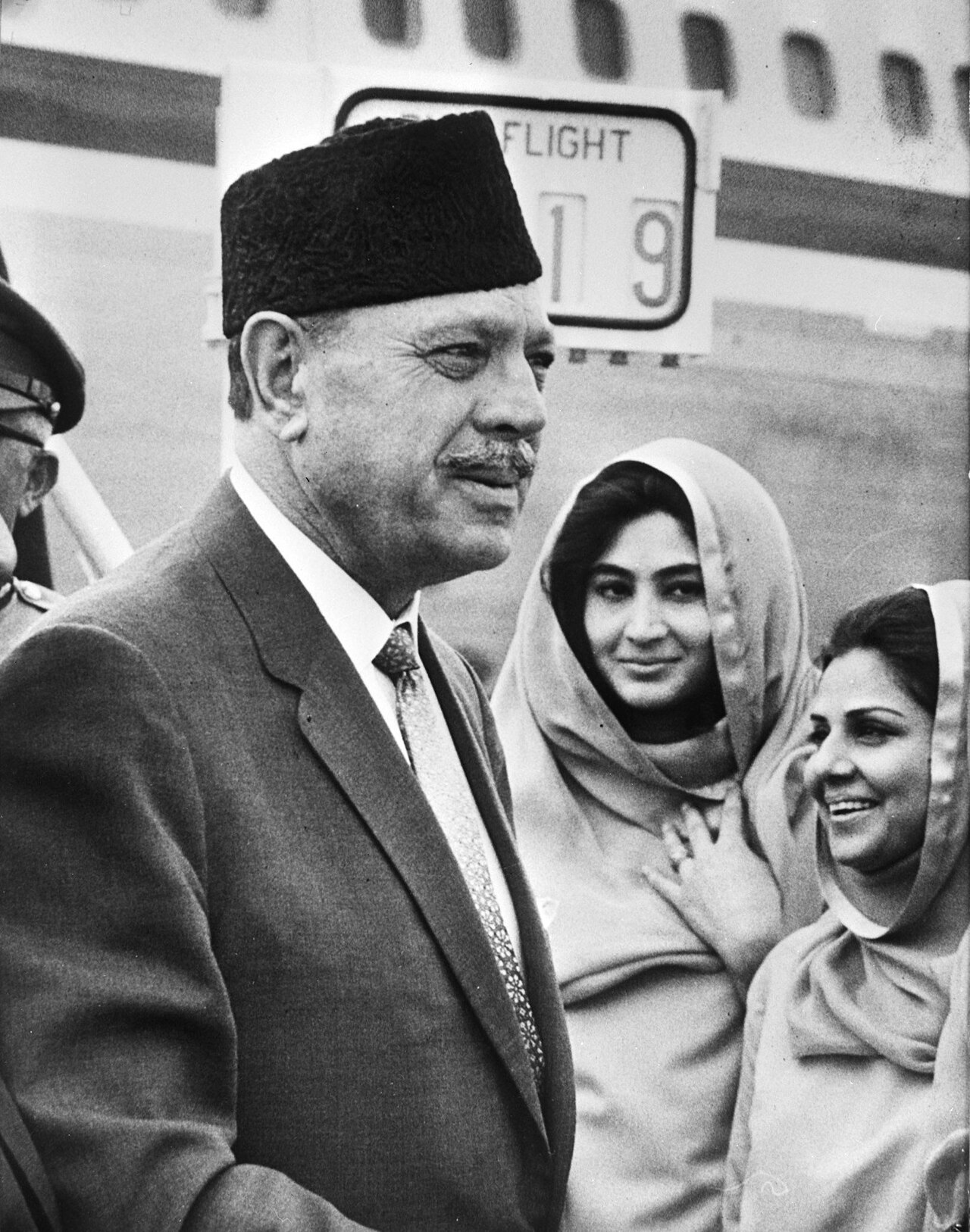
Field Marshal Mohammad Ayub Khan (14 May 1907 – 19 April 1974) was a Pakistani political leader and military figure who became the country’s second president, holding office from 1958 until he stepped down in 1969. He was also the first native-born officer to serve as commander-in-chief of the Pakistan Army, a post he held from 1951 to 1958. Khan’s rise to the presidency began when he overthrew President Iskander Mirza in a coup, and his time in power ended after widespread protests and strikes forced his resignation. He remains Pakistan’s longest-serving president and its second-longest-serving head of state.
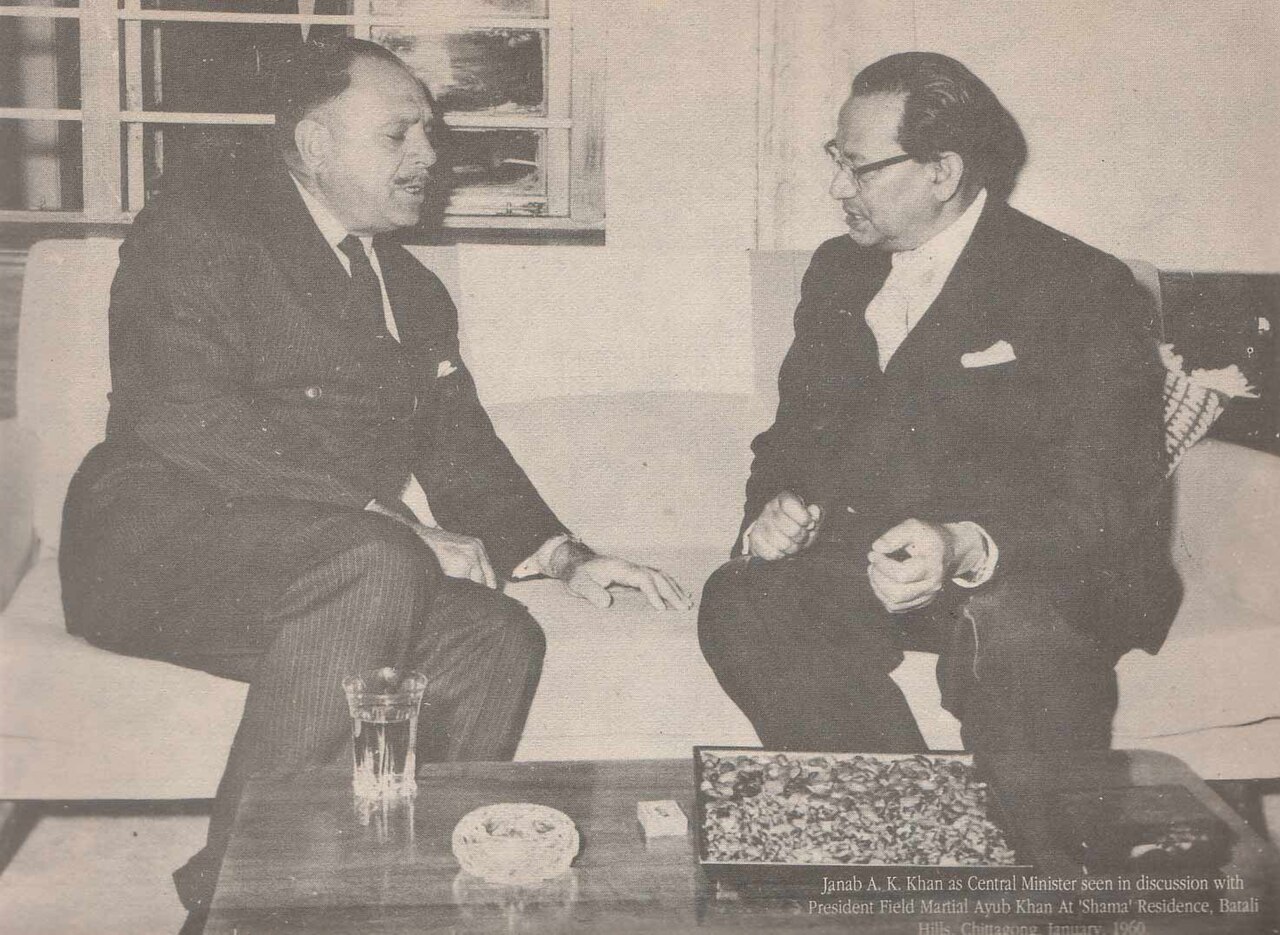
Born in the North-West Frontier Province, Khan attended Aligarh Muslim University and trained at the Royal Military College, Sandhurst. During World War II, he fought on the British side against the Imperial Japanese Army. After the partition of British India in August 1947, he joined the Pakistan Army and was posted in East Bengal. In 1951, he succeeded General Gracey as the first native commander-in-chief. From 1953 to 1958, he served in the civilian government as Defence and Home Minister, backing President Iskander Ali Mirza’s decision to impose martial law on 7 October 1958 against Prime Minister Feroz Khan Noon’s administration. Three weeks later, Khan took over the presidency in a military coup—the first in Pakistan’s history.
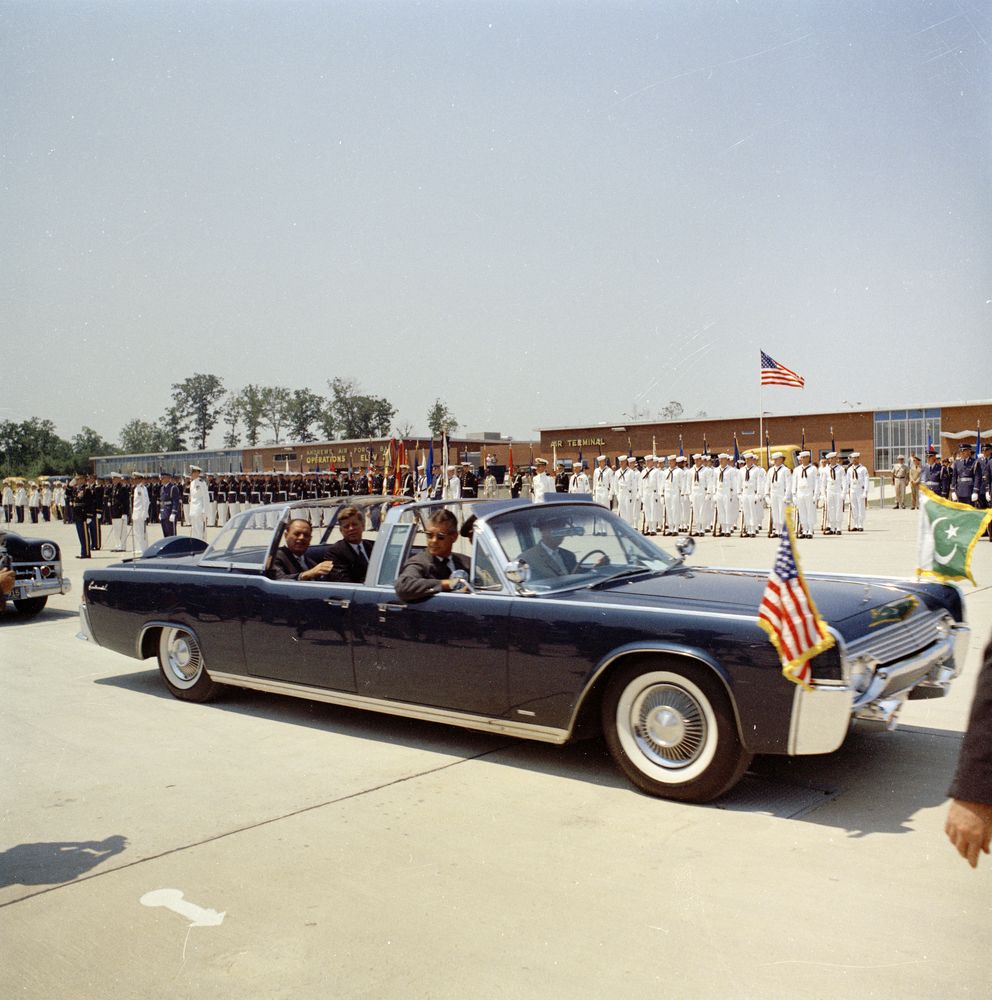
As president, Khan appointed General Musa Khan to replace him as army chief, a role Musa held for eight years. He aligned Pakistan with the United States, granting American access to air bases inside the country, most notably the base near Peshawar used for spy missions over the Soviet Union. Ties with neighboring China grew stronger, but his alignment with the U.S. worsened relations with the Soviet Union by 1962. In 1965, he launched Operation Gibraltar against India, leading to a full-scale war that ended in a stalemate, with peace restored through the Tashkent Declaration. Domestically, Khan followed the laissez-faire policies common among Western-aligned nations at the time. He privatized state-owned industries and broadly liberalized the economy. Large inflows of foreign aid and investment produced the fastest-growing economy in South Asia. His tenure also saw the completion of hydroelectric stations, dams, and reservoirs. Under him, Pakistan’s space program was established, and the country launched its first uncrewed space mission in 1962. However, failed land reforms and a weak tax system meant most of this growth benefited the elite. In 1965, Khan ran for president as the Convention Muslim League’s candidate against opposition candidate Fatima Jinnah, winning re-election for a second term. By 1967, rising food prices sparked demonstrations across the country, led by Zulfikar Ali Bhutto. After protests in East Pakistan, Khan resigned on 25 March 1969 and appointed General Yahya Khan as his successor. He died in 1974 after a brief illness.
Ayub Khan’s legacy is mixed. His era is often called the “Decade of Development,” and he is credited with economic prosperity and industrialization. Critics, however, blame him for the first incursions of intelligence agencies into national politics, for concentrating wealth in a corrupt few, and for geographically discriminatory policies that later contributed to the Bangladesh Liberation War.
Early in life, Ayub Khan was born on 14 May 1907 in Rehana, a village in the Haripur district of the North-West Frontier Province of British India. He came from a Hindko-speaking family of Pashtun descent, belonging to the Tareen tribe. He was the first child of the second wife of Mir Dad Khan, a Risaldar-Major in the 9th Hodson’s Horse, a cavalry regiment of the British Indian Army. For basic education, he attended a school in Sarai Saleh, about four miles from his village, traveling on a mule. He later moved to a school in Haripur, where he lived with his grandmother. He studied at Aligarh Muslim University and, while there, was accepted into the Royal Military College, Sandhurst on the recommendation of General Andrew Skeen. He trained first in India, then departed for Great Britain. Ayub Khan was fluent in Urdu, Pashto, English, and his native Hindko.
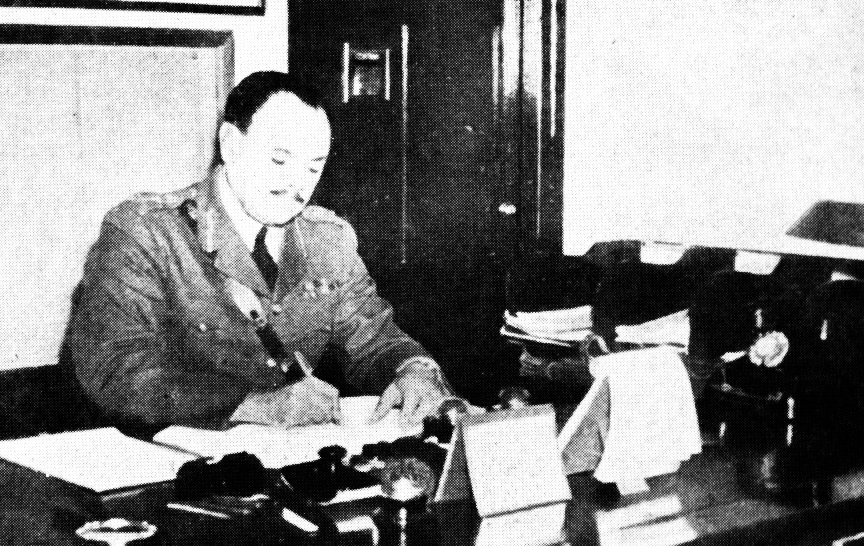
In military service, Ayub Khan entered the Royal Military College, Sandhurst in 1926. He was commissioned as a second lieutenant on 2 February 1928 in the 1st Battalion of the 14th Punjab Regiment of the British Indian Army, after first being attached to the Royal Fusiliers. Among those who graduated with him was Joyanto Nath Chaudhuri, who later served as India’s Chief of the Army Staff from 1962 to 1966 while Ayub was Pakistan’s president. After a standard probationary period in the British Army, he was appointed to the British Indian Army on 10 April 1929, joining the 1/14th Punjab Regiment Sherdils, now the 5th Punjab Regiment. He was promoted to lieutenant on 2 May 1930 and to captain on 2 February 1937. During World War II, he was promoted to temporary lieutenant-colonel in 1942 and posted to Burma for the first phase of the Burma Campaign in 1942–43. He reached the permanent rank of major on 2 February 1945. Later that year, he was promoted to temporary colonel and took command of his own regiment to direct operations in the second phase of the Burma Campaign. In 1946, he was posted back to British India, stationed in the North-West Frontier Province. In 1947, he was promoted to brigadier and commanded a brigade.
- born
- 14 May 1907, Rehana, Haripur district, North-West Frontier Province, British Ind
- died
- 19 April 1974
- field
- Military officer, politician
- nationality
- Pakistani
- known_for
- First native commander-in-chief of Pakistan Army; 2nd president of Pakistan; lau
Verified Timeline
Lore & Background
Ayub Khan was born into a Hindko-speaking Pashtun family of the Tareen tribe. He studied at Aligarh Muslim University and trained at the Royal Military College, Sandhurst, being commissioned in 1928. He served in the British Indian Army during World War II, fighting against the Imperial Japanese Army in Burma. After Partition in 1947, he joined the Pakistan Army and was posted in East Bengal. In 1951, he became the first native commander-in-chief, succeeding General Gracey, after lobbying by Defence Secretary Iskandar Mirza. He served as Defence Minister from 1954 to 1955 and briefly as Home Minister in 1954. He supported President Iskandar Ali Mirza's decision to impose martial law on 7 October 1958, then 20 days later seized the presidency in a military coup. As president, he appointed General Musa Khan as army chief, aligned Pakistan with the United States, allowed American access to air bases (notably Peshawar) for spy missions over the Soviet Union, and strengthened relations with China. He launched Operation Gibraltar against India in 1965, leading to a war that ended in stalemate and the Tashkent Declaration. Domestically, Ayub pursued laissez-faire policies, privatised state-owned industries, and liberalised the economy, leading to the fastest-growing economy in South Asia. His tenure saw completion of hydroelectric stations, dams, and reservoirs, and the establishment of Pakistan's space program, which launched its first uncrewed suborbital sounding rocket by 1962 under the Rehbar program as a joint project with the U.S. However, land reforms failed and weak taxation concentrated growth among the elite. In 1965, he won the presidential election as the Convention Muslim League candidate against Fatima Jinnah. Disapproval of food price hikes led to protests from 1967, and he resigned on 25 March 1969, appointing General Yahya Khan as successor.
Reader's Guide
Ayub Khan's legacy is mixed, often referred to as the 'Decade of Development.' He is credited with economic prosperity and industrialisation, but denounced for beginning intelligence agencies' incursions into national politics, concentrating wealth in a corrupt few, and implementing geographically discriminatory policies that later contributed to the Bangladesh Liberation War. His alignment with the United States and launch of Operation Gibraltar shaped Pakistan's foreign and military posture. His resignation amid mass protests marked the end of his era, but he remains the country's longest-serving president.
Did You Know?
- Ayub Khan was the first native commander-in-chief of the Pakistan Army, succeeding General Gracey in 1951.
- He was commissioned as a second lieutenant on 2 February 1928, the same day as Joyanto Nath Chaudhuri, who later became India's army chief while Ayub was president.
- Pakistan launched its first uncrewed suborbital sounding rocket in 1962 under Ayub Khan's presidency, as a joint project with the U.S. Space Research Corporation under the Rehbar program.
- Ayub Khan won the 1965 presidential election as the Convention Muslim League candidate, defeating Fatima Jinnah.
- He resigned on 25 March 1969 amid mass protests and strikes, appointing General Yahya Khan as his successor.
From Frontier Village to Army Chief
Ayub Khan entered the world on 14 May 1907 in the small village of Rehana, nestled in the Haripur district of the North-West Frontier Province. His father, Mir Dad Khan, held the rank of Risaldar-Major in the 9th Hodson's Horse, a cavalry unit of the British Indian Army, and Ayub was the first child born to his father's second wife. The young boy rode a mule to a local school in Sarai Saleh before moving to Haripur to live with his grandmother. His path toward the officer's rank was shaped at Aligarh Muslim University, where a recommendation from General Andrew Skeen opened the door to the Royal Military College at Sandhurst. He was commissioned as a second lieutenant on 2 February 1928 in the 1st Battalion of the 14th Punjab Regiment. Among those who passed out with him was Joyanto Nath Chaudhuri, who later served as Chief of the Army Staff of India from 1962 to 1966 while Ayub was president of Pakistan. After the standard probationary period, he was appointed to the British Indian Army on 10 April 1929. He was promoted to lieutenant on 2 May 1930 and to captain on 2 February 1937. During World War II, he was promoted to temporary lieutenant-colonel in 1942 and posted to Burma for the first phase of the Burma Campaign in 1942–43. He was promoted to permanent major on 2 February 1945, then to temporary colonel later that year, taking command of his own regiment for the second phase of the Burma Campaign. After Partition in 1947, he was one of the most senior serving officers to opt for Pakistan, and by 1951 he had become the army's first native commander-in-chief, displacing the British-era General Gracey.
The Coup and the Road to the Presidency
By 1953, Ayub Khan had stepped out of the barracks and into civilian governance, taking on the dual portfolios of Defence and Home Minister under President Iskander Mirza. That arrangement, however, was short-lived. On 7 October 1958, Mirza imposed martial law to dismantle the government of Prime Minister Feroz Khan Noon, a move Khan backed. Yet barely three weeks later, Khan turned against his own patron and seized the presidency in a military coup—the first such seizure of power in the young nation's history. Once installed, he appointed General Musa Khan as his successor at the head of the army, a post Musa held for the full eight years of Khan's presidency. Khan's grip on the presidency was later reinforced through a 1965 election, in which he ran as the Convention Muslim League's candidate against Fatima Jinnah and emerged victorious, securing a second term. His rule thus combined the authority of a military takeover with the veneer of electoral legitimacy, a duality that would define his political identity.
The Decade of Development and Global Alignments
Domestically, he embraced the laissez-faire philosophy favoured by Western allies, privatising state-owned industries and liberalising trade. The result was a torrent of foreign aid and investment that made Pakistan the fastest-growing economy in South Asia. Major infrastructure projects—hydroelectric stations, dams, and reservoirs—were completed, and the country even established its own space programme, launching its first uncrewed mission by 1962. Yet the gains were uneven: the absence of meaningful land reform and a weak taxation framework meant that prosperity flowed overwhelmingly to a small elite. On the foreign stage, Khan tethered Pakistan firmly to Washington, granting American forces access to air bases inside the country, including the installation outside Peshawar from which reconnaissance flights over the Soviet Union were conducted. He simultaneously deepened ties with Beijing, a move that sharpened Pakistan's rift with Moscow in 1962. In 1965, his decision to launch Operation Gibraltar against India escalated into a full-scale war that ended in stalemate and the Tashkent Declaration.
Resignation, Death, and a Divided Legacy
The final years of Khan's rule were marked by mounting unrest. In 1967, sharp increases in food prices ignited demonstrations across the country, with Zulfikar Ali Bhutto at the forefront of the opposition. Protests in East Pakistan added further pressure on the regime. On 25 March 1969, Khan stepped down, naming General Yahya Khan as his successor. He survived his departure from power by only five years, succumbing to a brief illness on 19 April 1974. Historians still argue over what his tenure truly signified. Supporters point to the era's nickname—the "Decade of Development"—and credit him with industrialisation, economic expansion, and the completion of landmark infrastructure. Critics, however, accuse him of opening the door to intelligence-agency interference in politics, of concentrating national wealth in the hands of a corrupt few, and of pursuing geographically discriminatory policies that sowed the seeds of the Bangladesh Liberation War. He remains Pakistan's longest-serving president and its second-longest-serving head of state, a record that underscores both the length and the controversy of his rule.
Gallery
More in Asian Presidents And Prime Ministers 1-20
Spotted an error? Know more?
This is a living reference — every entry is fact-audited, and reader corrections feed straight into our audit queue. Suggest an edit · See this site's audit record