Teatro di San Carlo
Last updated

Carlo Raso · Public domain
The Teatro di San Carlo in Naples, Italy, was originally called the Real Teatro di San Carlo by the Bourbon monarchy, but is now simply known as the Teatro di San Carlo. It is connected to the Royal Palace and sits next to the Piazza del Plebiscito. As the oldest opera house in the world still in continuous use, it opened in 1737, decades before Milan’s La Scala or Venice’s La Fenice.
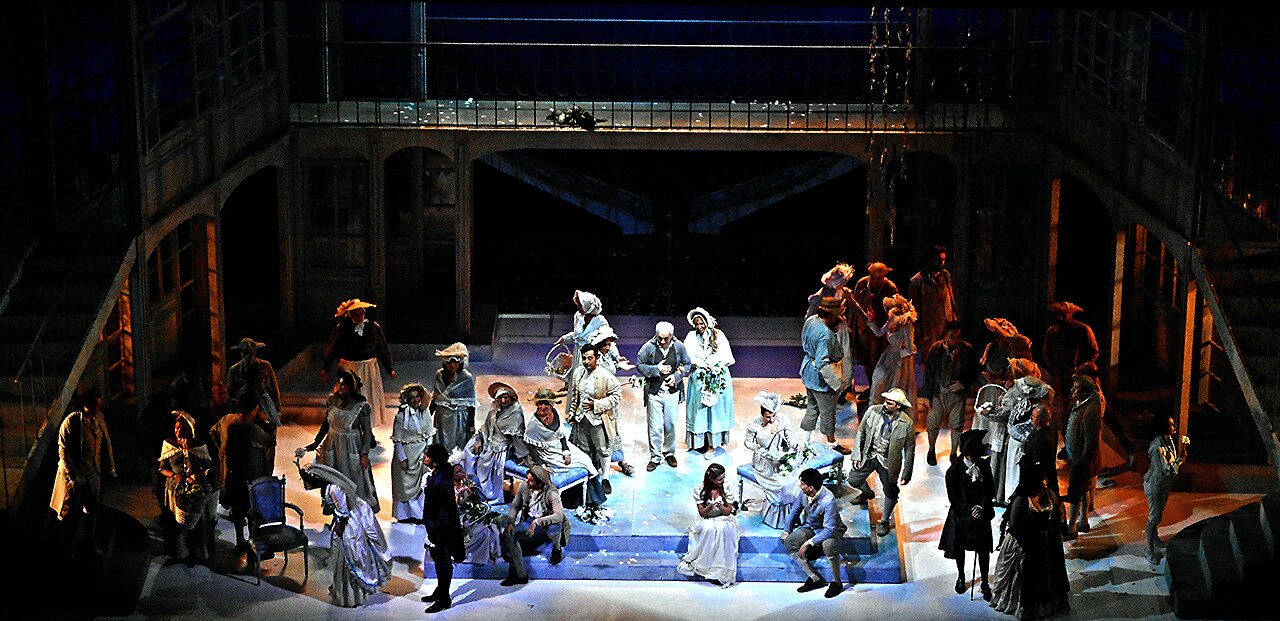
Its opera season runs from late November to July, and its ballet season from December to early June. The theatre once held 3,285 people, but now seats 1,386. Because of its size, structure, and age, it served as a model for later European theatres.
History of the opera house
King Charles VII of Naples, a Bourbon, commissioned the San Carlo to replace the old, run-down Teatro San Bartolomeo, which had been too small since the composer Scarlatti moved to Naples in 1682 and helped turn the city into an important opera center. The new theatre opened on 4 November 1737, the king’s name day, with Domenico Sarro’s opera Achille in Sciro, based on a 1736 libretto by Metastasio. As was the custom, a woman, Vittoria Tesi, played Achilles; the cast also included soprano Anna Peruzzi and tenor Angelo Amorevoli.
Sarro conducted the orchestra and two ballet intermezzi created by Gaetano Grossatesta, with sets by Pietro Righini. Early seasons favored dance and featured famous castrati. Later in the 18th century, Christoph Willibald Gluck was brought in to direct his 1752 Clemenza di Tito, and Johann Christian Bach presented two operas there in 1761–62.
1737: Construction of the Teatro di San Carlo (San Carlo Theater)
The theatre was designed by Giovanni Antonio de Medrano, a Sicilian nobleman and royal architect, with Angelo Carasale, former director of the San Bartolomeo, handling the elaborate furnishings. Its horseshoe-shaped auditorium is the oldest in the world, built for 75,000 ducats. The hall measured 28.6 meters long and 22.5 meters wide, with 184 boxes in six tiers (including proscenium boxes), plus a royal box for ten people, totaling 1,379 seats. With standing room, it could hold over 3,000.
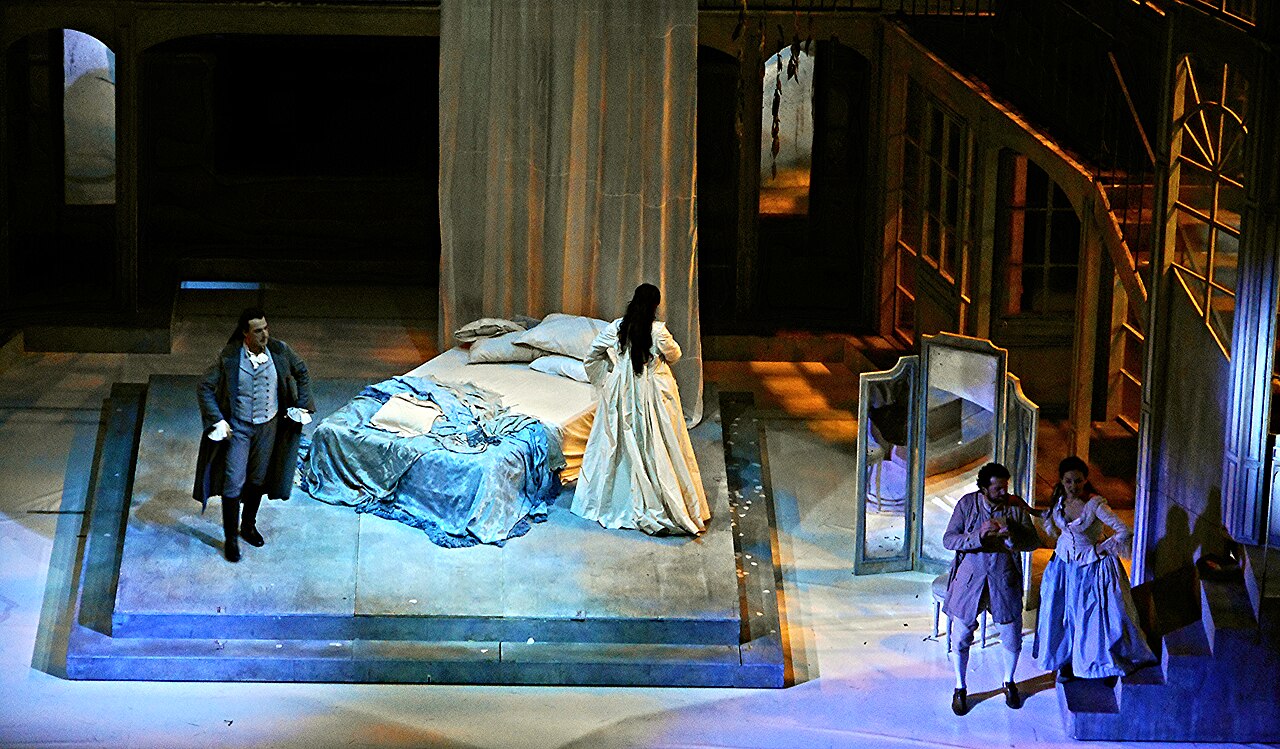
Composer and violinist Louis Spohr reviewed the house on 15 February 1817, finding it excellent for ballet and pantomime but too large for opera, noting that only the strongest voices could be heard clearly. The theatre was admired for its architecture, gold decorations, and blue upholstery (blue and gold being Bourbon colors), and was then the largest opera house in the world. The 184 boxes had no curtains, so no one could escape the king’s view; the monarch had private access from the Royal Palace. Domenico Barbaia managed the royal opera houses from 1809 to 1841, gaining a reputation for innovative productions.
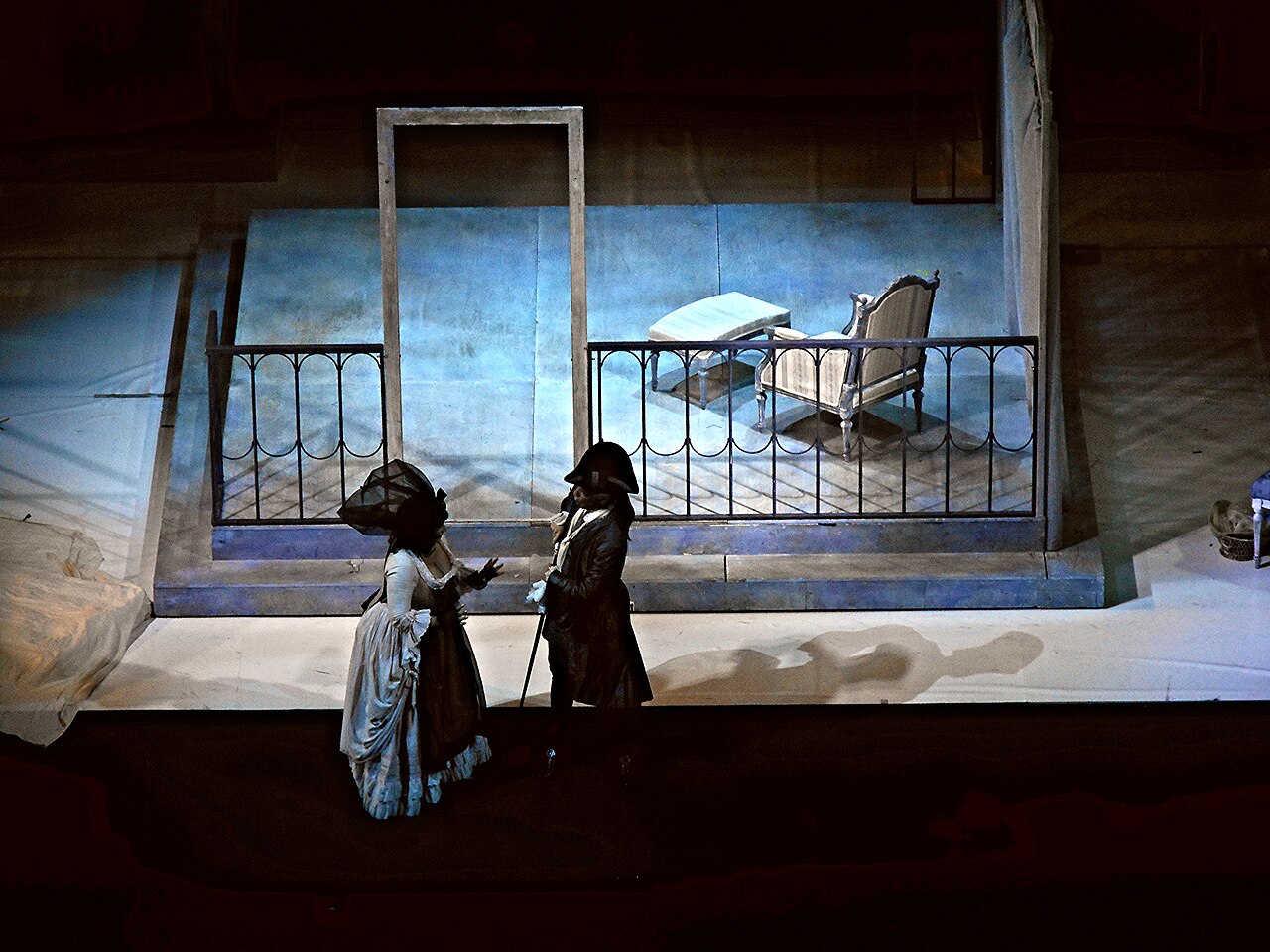
February 1816 to January 1817: Destruction by fire and rebuilding
On 13 February 1816, a fire during a ballet dress rehearsal destroyed part of the building. King Ferdinand IV ordered its reconstruction, and Barbaia, working with architect Antonio Niccolini, rebuilt it in ten months. The new horseshoe-shaped auditorium had 1,444 seats, a proscenium 33.5 meters wide and 30 meters high, and a stage 34.5 meters deep. Niccolini added a bas-relief inside depicting “Time and the Hour,” and the central ceiling fresco, showing Apollo presenting the world’s greatest poets to Minerva, was painted by Antonio, Giuseppe, and Giovanni Cammarano.
The rebuilt theatre opened on 12 January 1817 with Johann Simon Mayr’s Il sogno di Partenope. Stendhal, who attended the second night, wrote that nothing in Europe compared to it. In 1844, the interior was redecorated by Niccolini, his son Fausto, and Francesco Maria dei Giudice, changing the color scheme to the now-traditional red and gold. Later renovations included the orchestra pit, suggested by Verdi in 1872.
Last updated 2026-10-01 from the source article.
Lore & Background
The Teatro di San Carlo is a historic opera house in Naples, Italy, connected to the Royal Palace and adjacent to the Piazza del Plebiscito. It is the oldest continuously active opera venue in the world, having opened in 1737, decades before Milan’s La Scala or Venice’s La Fenice. Originally named the Real Teatro di San Carlo by the Bourbon monarchy, it was commissioned by King Charles VII of Naples to replace the outdated Teatro San Bartolomeo. Designed by Giovanni Antonio de Medrano, with furnishings primarily by Angelo Carasale, the horseshoe-shaped auditorium is the oldest of its kind.
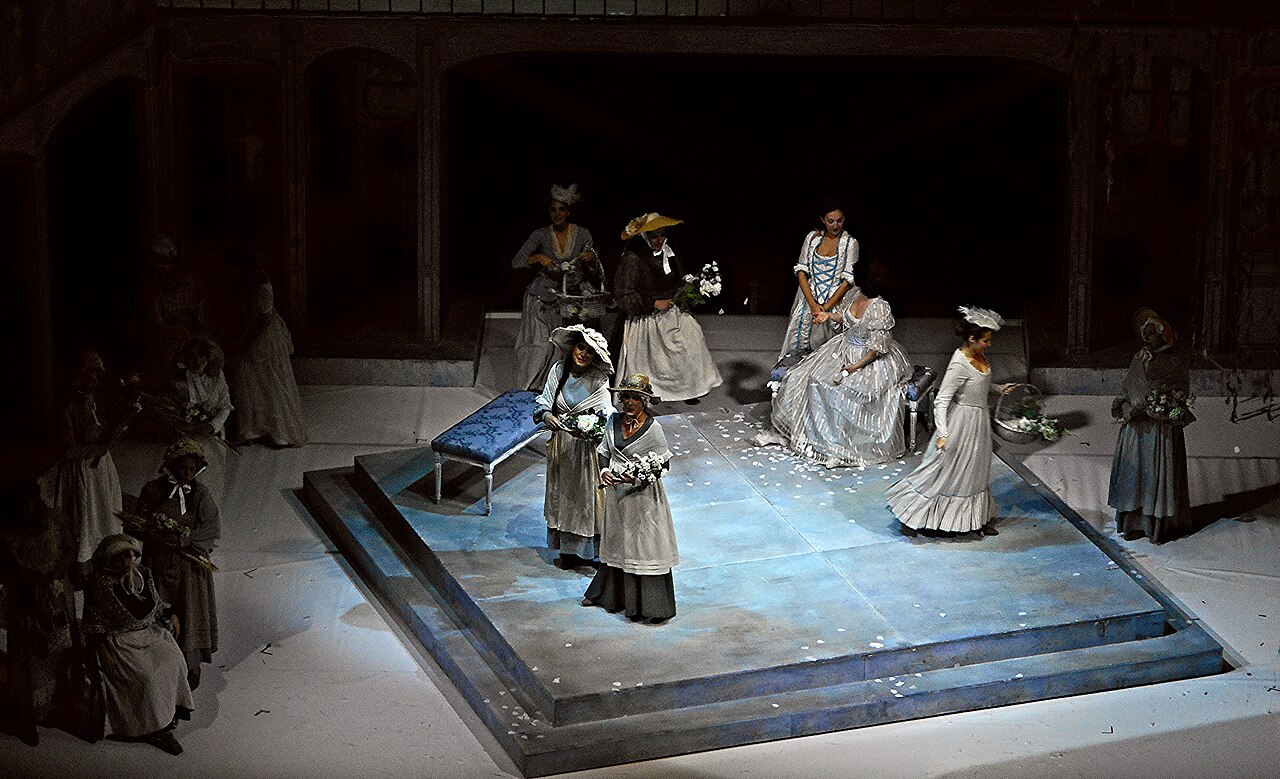
The hall was built for 75,000 ducats, measuring 28.6 meters long and 22.5 meters wide, with 184 boxes arranged in six orders plus a royal box for ten people, totaling 1,379 seats. With standing room, it could hold over 3,000 people. Its architecture, gold decorations, and sumptuous blue upholstery (the Bourbon colors) made it the largest opera house in the world at the time. The design, with boxes lacking curtains, ensured no one could avoid the sovereign’s scrutiny.
A fire in February 1816 destroyed part of the building, but it was rebuilt within ten months under Antonio Niccolini, reopening in January 1817 with a traditional horseshoe shape, 1,444 seats, and a stage 34.5 meters deep. The interior was later redecorated to its now-traditional red and gold in 1844. The house once had a seating capacity of 3,285, now reduced to 1,386. Its size, structure, and antiquity made it a model for later European theatres.
Reader's Guide
The Teatro di San Carlo is the oldest continuously active opera house in the world, having opened in 1737, decades before La Scala or La Fenice. Commissioned by the Bourbon King Charles VII, it replaced the outdated Teatro San Bartolomeo. Designed by Giovanni Antonio de Medrano, the horseshoe-shaped auditorium is the oldest of its kind. Originally built for 75,000 ducats, the hall measured 28.6 meters long and 22.5 meters wide, with 184 boxes arranged in six orders plus a royal box, accommodating a total of 1,379 seats.
With standing room, it could hold over 3,000 people, making it the largest opera house in the world at the time. Its blue and gold decorations reflected Bourbon colors, and the design of the boxes, lacking curtains, ensured the sovereign could observe all attendees. A fire in February 1816 destroyed part of the building, but it was rebuilt within ten months under King Ferdinand IV, using architect Antonio Niccolini.
The rebuilt house featured a proscenium 33.5 meters wide and 30 meters high, with a stage 34.5 meters deep. The central frescoed ceiling depicted Apollo presenting poets to Minerva. Reopened in January 1817, it was praised by Stendhal as incomparable in Europe.
The house later adopted its now-traditional red and gold interior in 1844. Its size, structure, and antiquity made it a model for later European theatres. The opera season runs from late November to July, and the ballet season from December to early June. Its current seating capacity is 1,386, reduced from the original 3,285.
More in Architectural Landmarks
Sources
Compiled from Wikipedia and the sources listed below. Text from Wikipedia is available under CC BY-SA 4.0; this entry is adapted from it.
- Wikipedia: Teatro di San Carlo (CC BY-SA 4.0).
Spotted an error? Know more?
Reader corrections go straight into our review queue. Suggest an edit · How this site is sourced