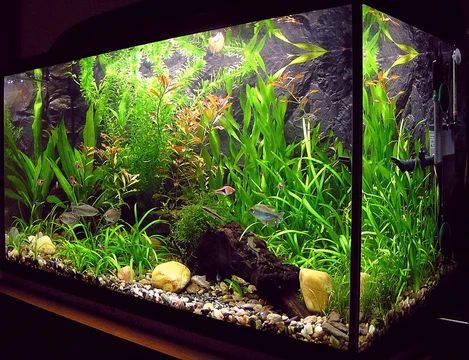
Frequently Asked Questions
The most-asked questions about aquarium and aquatic plants, part 2.
What does Part 2 of the encyclopedia focus on compared to Part 1?
Part 1 covers foundational setup and basic plant care, while Part 2 dives into advanced aquascaping techniques, species-specific deep dives, and the history of notable planted-tank projects. It assumes the reader already understands basic water chemistry and is ready for more specialized topics.
Who are the most frequently referenced figures in the aquatic plant community covered here?
The encyclopedia highlights pioneers like Takashi Amano, whose nature-style aquascaping revolutionized the hobby, and Dutch masters such as the van den Borgh family who established the classic Dutch-style planted tank. Contemporary influencers and breeders of rare plant cultivars are also profiled throughout Part 2.
Where should a complete beginner start reading in Part 2?
Jump into the 'Transitional Guide' chapter, which bridges Part 1 basics with Part 2 material and explains when and why to upgrade your lighting, CO2 dosing, and substrate. After that, the 'Choosing Your First Advanced Plant' section walks through selecting species matched to your tank's light and flow conditions.
What are the most-searched aquatic plant species in this encyclopedia?
Anubias barteri, Bucephalandra species, and various Cryptocoryne variants consistently draw the most reader interest because they are hardy yet visually striking. Red-stemmed plants like Rotala and Ludwigia also rank high due to their dramatic color shifts under proper lighting.
What key water-parameter facts does Part 2 emphasize that beginners often overlook?
The encyclopedia stresses that stable parameters matter more than hitting a single 'perfect' number, and that nitrate fluctuation between dosing and plant uptake is a natural cycle rather than a failure. It also clarifies that KH and GH serve different roles and should not be managed as a single value.
What are some notable 'milestone' moments in the planted-tank hobby documented here?
The 2003 IAPLC (International Aquascaping League Contest) is highlighted as the turning point that brought global attention to nature-style aquascaping. The discovery and cultivation of rare Bucephalandra species from Borneo in the late 2000s is another celebrated moment that reshaped the collector plant market.
How does the encyclopedia organize its plant species entries?
Each species page follows a consistent template covering origin, growth habit, light and CO2 requirements, propagation methods, and common pest or disease issues. Cross-reference links connect each plant to compatible tankmates, suitable substrates, and related cultivars or look-alike species.
What are the most common mistakes the encyclopedia warns newcomers about in Part 2?
Over-dosing liquid fertilizers in response to slow growth, rather than diagnosing the actual limiting factor, is flagged as the top recurring error. The guide also cautions against introducing too many new plants simultaneously, which masks which species is actually struggling and why.
Does Part 2 cover fish-plant compatibility and community design?
Yes, a dedicated section addresses which fish species are known to uproot or nibble specific plant types, and how to balance a bioload that supports both healthy fish and vigorous plant growth. It includes pairing suggestions for popular planted-tank community compositions.
How can readers contribute corrections or new species pages to this fan encyclopedia?
The project welcomes community submissions through its open edit portal, where contributors can propose new cultivar entries, flag outdated care data, or add regional availability notes. Edits are reviewed by a small volunteer team of experienced aquarists before being published to the main site.