Frequently Asked Questions
The most-asked questions about animated films about wish fulfillment.
What defines the 'wish fulfillment' category in animated films?
It refers to stories whose central conflict revolves around a character's deep desire and the journey—magical or otherwise—toward having that desire satisfied. The wish or longing is the engine of the plot rather than a subplot, which distinguishes these films from general fantasy animation.
Who is the most iconic wish-granting character in animation?
The Genie from Disney's 1992 Aladdin, voiced by Robin Williams, is widely regarded as the definitive wish-granting figure in the medium. His three-wish rule, over-the-top comedic personality, and the 'Friend Like Me' sequence made him a lasting cultural touchstone.
Where should a newcomer to wish-fulfillment animation start?
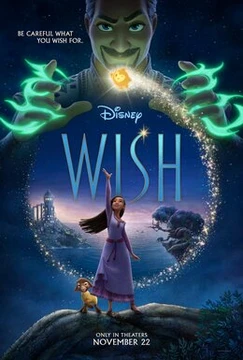
Aladdin (1992) is the most commonly recommended entry point because it establishes the genre's core conventions in a self-contained, widely available package. For a more modern perspective, Disney's Wish (2023) reframes the trope with an ensemble cast and a world where wishes are a tangible, visible force.
What are the standard 'rules' of wish-granting in these films?
Most stories impose a limited number of wishes (usually three), restrict the granter's power (no killing, no forcing love, no undoing death), and attach consequences or ironic twists to poorly worded requests. These constraints create the central tension and comic set-ups that drive the plot forward.
What are the most celebrated moments in the genre?
The Genie's 'Friend Like Me' musical number in Aladdin is frequently cited as the genre's signature set-piece. In Wish (2023), the climactic sequence where long-unfulfilled wishes finally come true is often highlighted by fans as the emotional peak of the film.
Which studios have produced the most wish-fulfillment animated films?
Disney holds the largest share, with Aladdin, Wish, and wish-adjacent elements in titles like The Princess and the Frog (2009) and Tangled (2010). Other studios and independent animators have contributed smaller entries, but Disney remains the dominant force in the space.
What recurring themes appear across wish-fulfillment animated films?
The tension between what a character wants and what they actually need is the most common thematic thread. Secondary motifs include the dangers of greed, the value of earned achievement over shortcuts, and the idea that true fulfillment often comes from relationships rather than material gains.
What is the historical origin of the wish-granting trope in animation?
The motif traces back to the djinn stories in One Thousand and One Nights, which were adapted into early 20th-century animated shorts and serials. Disney's 1992 Aladdin brought the archetype to a global mainstream audience and set the template most later films still follow.
Are there notable non-Western wish-fulfillment animated films?
The subgenre is heavily concentrated in Western (especially Disney) output, but Japanese, Chinese, and Korean animation have produced features that center on magical contracts, granted desires, or the cost of unearned wishes. These titles tend to receive less international coverage, so they are often harder for newcomers to locate.
What is the most common criticism fans and critics level at the genre?
The most frequent critique is that a 'wish comes true' resolution can feel unearned or conveniently tidy, especially when the protagonist's personal growth is minimal. Defenders counter that the strongest entries use the wish as a mirror to expose character flaws, making the fulfillment feel like a consequence of change rather than a free reward.