Avian infectious bronchitis
Acute, highly contagious respiratory disease of chickens caused by IBV.
Avian infectious bronchitis is an acute and highly contagious respiratory disease of chickens caused by avian infectious bronchitis virus (IBV), a coronavirus. It is characterized by respiratory signs such as gasping, coughing, sneezing, tracheal rales, and nasal discharge. In layers, the disease also causes nephritis, decreased egg production, and loss of internal and external egg quality.
Quick Facts
- Specialty
- Veterinary medicine
Facts from the source article.
Did You Know?
- No specific treatment is available, but antibiotics can be used to prevent secondary infections.
- Attenuated vaccines may revert to virulence by consecutive passage in chickens in densely populated areas.
Clinical signs
Coughing and rattling are common, most severe in young birds such as broilers, and spread rapidly among confined chickens. Morbidity reaches 100% in non-vaccinated flocks, while mortality varies by virus strain, up to 60% in non-vaccinated flocks. Respiratory signs subside within two weeks, but some strains cause kidney infection leading to mortality from toxemia. Younger chickens may die from tracheal occlusion by mucus or kidney failure. In laying hens, respiratory signs are transient with negligible mortality, but egg production drops sharply; many eggs are misshapen, discolored, thin-shelled, or have watery albumen, making them unmarketable. The egg yield curve may never return to normal.
Cause
IBV was the first coronavirus described and exhibits great genetic and phenotypic diversity, with hundreds of serotypes and strains. It belongs to Coronaviridae, Orthocoronavirinae, genus Gammacoronavirus, subgenus Igacovirus. Coronaviruses have the largest known viral RNA genome, about 30,000 bases. Virions are enveloped with large spike projections (S) partially embedded in a double lipid layer; the genome is a single monopartite RNA strand coated by N protein. Diversity arises from transcriptional errors and nucleotide substitutions, especially in the S1 gene encoding the distal spike region. Amino acid changes in the receptor binding domain of S1 may evade antibody neutralization while retaining cell adsorption and fusion. Large genomic changes occur via reassortment of entire gene segments during coinfection, as seven subgenomic mRNAs are produced during replication.
Diagnosis
Chicken respiratory diseases are difficult to differentiate based on signs and lesions alone; mycoplasmosis, Newcastle disease, avian metapneumovirus, infectious laryngotracheitis, and avian infectious coryza may resemble IB. Similar kidney lesions can be caused by infectious bursal disease virus, ochratoxins, or dehydration. In layers, abnormal egg production also occurs in Egg Drop Syndrome 76 (caused by an Atadenovirus) and avian metapneumovirus infections, though IB is more common and widespread.
Vaccination failures are frequent due to IBV diversity; new strains not in commercial vaccines can cause disease in vaccinated flocks, and attenuated vaccines may revert to virulence or reassort with field strains. Definitive diagnosis requires viral isolation and characterization via reverse transcription PCR and sequencing. Broadly sensitive universal gene targets include nucleoprotein, matrix, or S2 genes; S1 gene sequencing enables phylogenetic results comparable to serotyping.
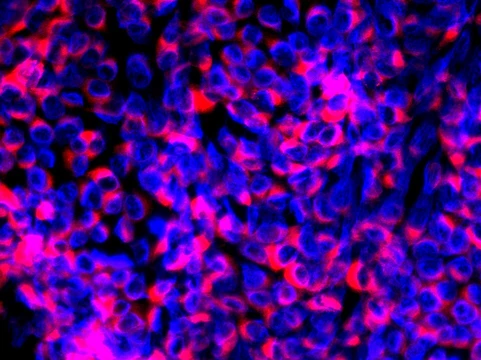
Antigen detection uses labelled antibodies (direct immunofluorescence or immunoperoxidase). Antibodies are detected by indirect immunofluorescent antibody test, ELISA, or haemagglutination inhibition after enzymatic treatment.
More in Animal Viral Diseases
Spotted an error? Know more?
Reader corrections go straight into our review queue. Suggest an edit · How this site is sourced