Kerma
Capital of the Kingdom of Kerma, a major Nubian urban center.

Bertramz · CC BY 3.0
Kerma was the capital city of the Kingdom of Kerma, a state whose origins lie in the pre-Kerma culture of present-day Sudan, dating back to 3500 BC. The site itself was first inhabited by Mesolithic hunter-gatherers around 8350 BC. Two significant periods of abandonment occurred, the first between 5550 BC and 5150 BC, possibly due to reduced Nile flow, and a second between 4050 BC and 3450 BC, likely linked to minimal flow from the White Nile. Agriculture emerged around 3000 BC, giving rise to a distinct cultural tradition. Kerma eventually grew into a major urban center built around a large adobe temple, the Western Deffufa, constructed after 1750 BC. A state society developed between 2550 BC and 1550 BC, with a notable decline in cattle breeding around 1750 BC. Evidence of copper metallurgy appears from approximately 2200–2000 BC. By 1700 BC, the city’s population reached at least 10,000. Its artifacts are distinctive, featuring extensive blue faience, glazed quartzite, and architectural inlays, with techniques developed independently of Egypt. The city’s cemetery contains over 30,000 graves, with larger tombs ringed by smaller ones, indicating social stratification. Four massive burial mounds at the southern boundary are believed to be the graves of the final kings, some bearing motifs of Egyptian deities like Horus. Egyptian influence is evident in pottery, scarab seals, and amulets, reflecting extensive trade and cultural exchange. After the city’s sacking, the cemetery was reused for kings of the 25th Dynasty of Kush. Religious tradition in pre-New Kingdom Kerma appears animistic rather than polytheistic, with animals depicted without anthropomorphic features and mesas like Jebel Barkal treated as sacred sites. This animistic tradition influenced New Kingdom Egyptians, who later adopted Jebel Barkal as a holy site.
- Location
- Present-day Sudan
Verified Timeline
Quick Facts
- Location
- Northern State, Sudan
- Region
- Nubia
- Condition
- In ruins
Facts from the source article.
Lore & Background
Kerma, the capital of the Kingdom of Kerma, is one of the largest archaeological sites in ancient Nubia, located in present-day Sudan. Its appearance is defined by a large adobe temple called the Western Deffufa, built after 1750 BC, around which a major urban center developed. The site includes extensive residential quarters surrounding this structure, as well as a vast cemetery containing over 30,000 graves. The cemetery shows a pattern of larger graves encircled by smaller ones, indicating social stratification, with four burial mounds at the southern boundary believed to be the tombs of the city’s final kings. The site’s range of occupation spans from initial settlement by hunter-gatherers around 8350 BC, through periods of abandonment possibly linked to reduced Nile flow, to the development of agriculture around 3000 BC and the rise of a state society between 2550 BC and 1550 BC. Defining characteristics of Kerma include evidence of copper metallurgy from about 2200–2000 BC, and artifacts distinct from ancient Egypt, such as extensive blue faience, glazed quartzite, and architectural inlays, developed independently. The site also reveals a pre-New Kingdom animistic religious tradition, where animals lacked anthropomorphic features and natural features like mesas were treated as sacred, contrasting with later polytheistic practices.
Reader's Guide
Kerma is significant as one of the largest archaeological sites in ancient Nubia, providing decades of extensive excavations and research. The site includes burial mounds believed to be the graves of the city's final kings, some containing motifs reflecting Egyptian deities such as Horus. Influence from Egypt is observed in numerous burials, especially in pottery and grave goods, such as Second Intermediate Egyptian ceramics from Avaris and artifacts like scarab seals and amulets, indicating extensive trade and cultural exchange. Early archaeology by George Reisner assumed Kerma was an Egyptian satellite city, but late 20th-century excavations by Charles Bonnet and the University of Geneva confirmed it was an independent urban complex that ruled most of the Third Cataract for centuries. The site also reveals an animistic religious tradition in pre-New Kingdom Kerma, with animals depicted without anthropomorphic features and mesas like Jebel Barkal treated in animistic fashion. After the New Kingdom Egyptian takeover of Upper Nubia, anthropomorphic deities came to prominence, and cultural exchange was bidirectional.
Did You Know?
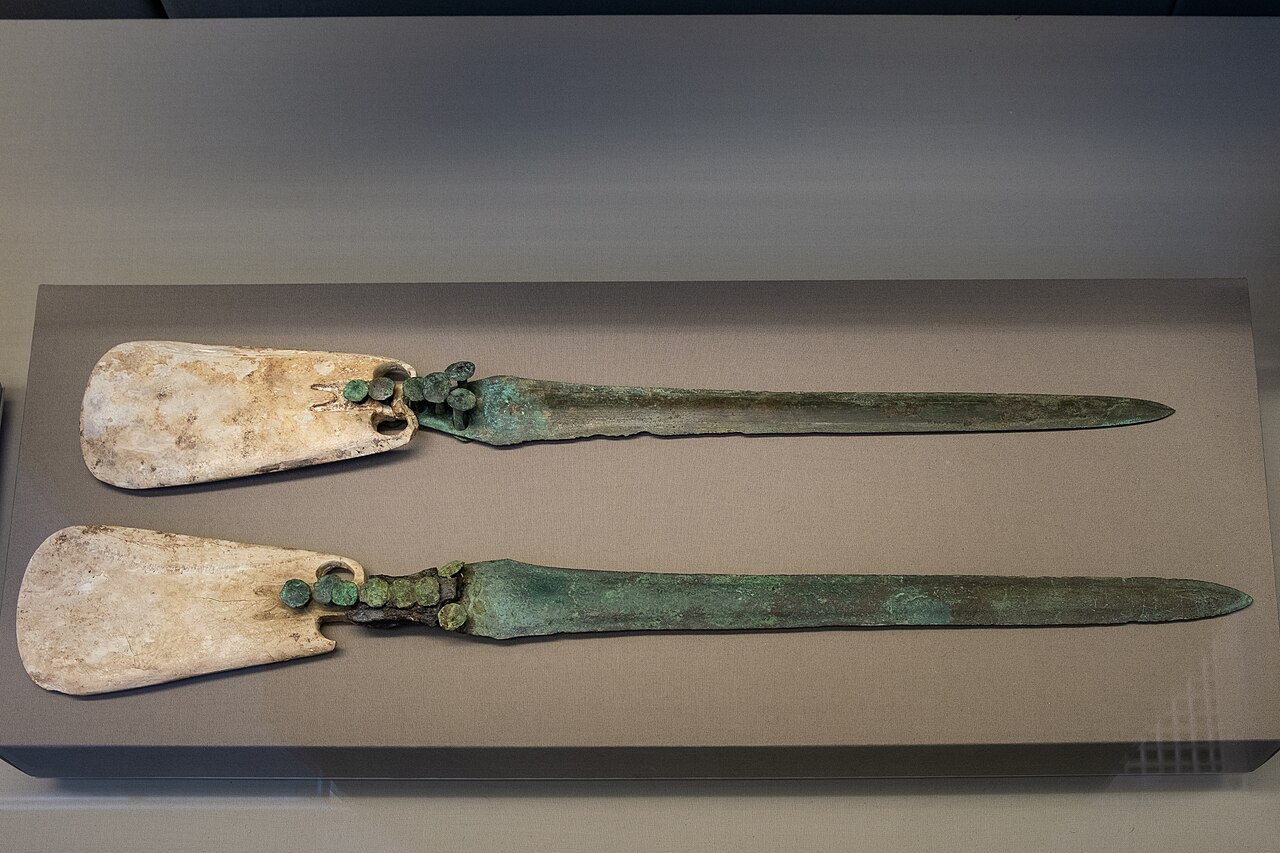
- Charles Bonnet's excavations uncovered a bronze forge in the main city, with no comparable discovery in Egypt or Sudan.
From Hunter-Gatherers to a Living City
The site now known as Kerma carries a human history stretching back to roughly 8350 BC, when Mesolithic hunter-gatherers first made their home there. Occupation, however, was far from unbroken. Between approximately 5550 and 5150 BC the locale fell largely silent, a gap scholars trace to diminished Nile water levels. A second abandonment window, spanning 4050 to 3450 BC, followed, again likely driven by minimal flow from the White Nile. Around 3000 BC, farming practices took hold and a recognizable cultural tradition began to coalesce around the settlement. Over the next several centuries this community matured into a full state society between 2550 and 1550 BC, with copper metallurgy appearing in the archaeological record around 2200–2000 BC. By 1700 BC the population had grown to at least ten thousand. The city organized itself around a massive adobe temple called the Western Deffufa, erected after 1750 BC, and the same period marks a notable economic shift: cattle breeding declined sharply, hinting at a deeper transformation in the kingdom's social and material life.
A City of the Dead and the Living
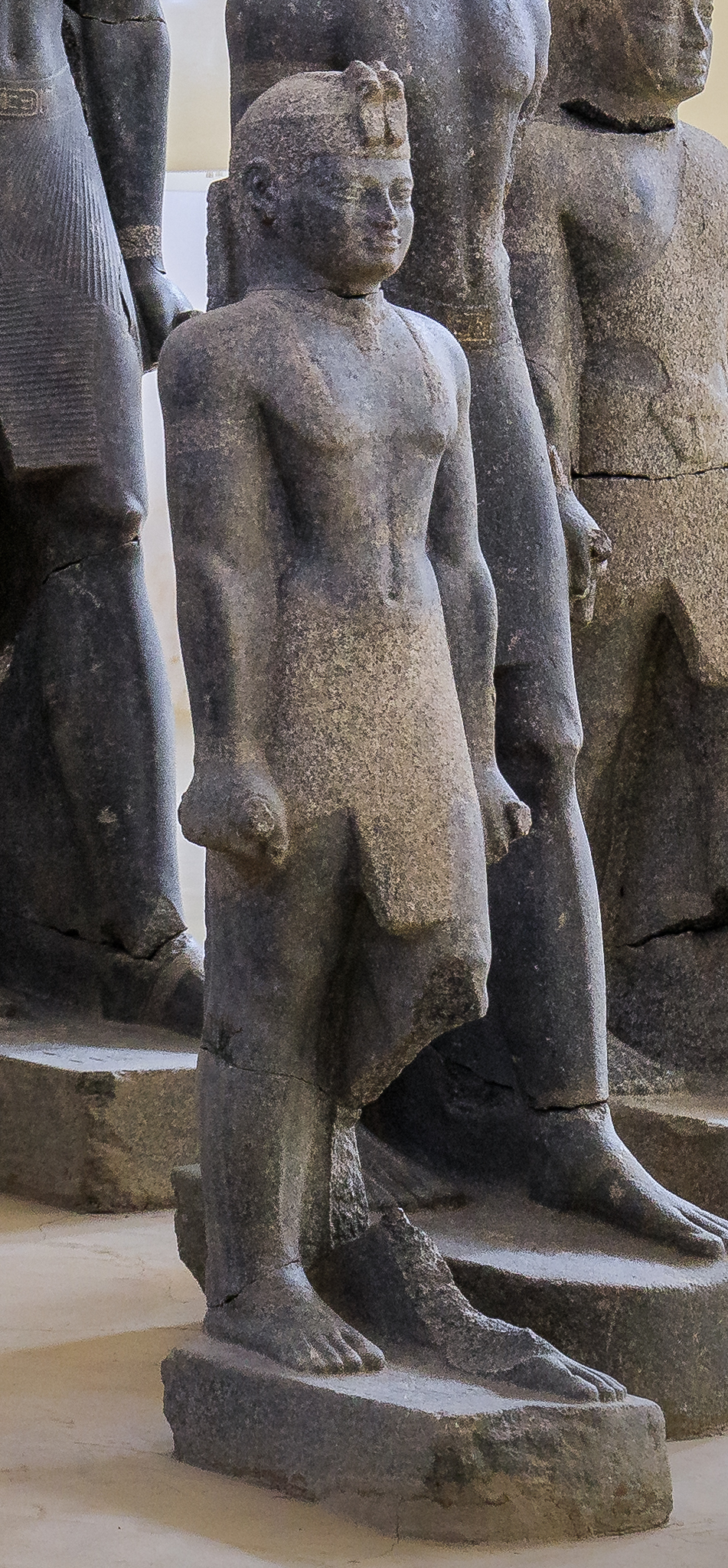
Kerma's cemetery is among the most arresting features of the entire site, holding more than thirty thousand graves that collectively paint a picture of a deeply stratified society. The spatial logic is consistent: larger burial mounds are ringed by smaller ones, a pattern that points to clear social ranking. At the southern edge of the cemetery, four monumental mounds rise to diameters exceeding ninety meters, widely regarded as the final resting places of the city's last kings. Several of these royal tombs bear artwork and motifs invoking Egyptian deities such as Horus, while others contain Second Intermediate Period ceramics originating from Avaris, along with scarab seals and amulets that testify to extensive trade and cross-cultural exchange with ancient Egypt. In most burials the deceased were laid slightly flexed on their sides. Remarkably, after Kerma was sacked, the cemetery took on a new role: it became the burial ground for the kings of the 25th, or Napatan, dynasty of the Kingdom of Kush from Upper Nubia, binding the site's legacy across centuries of shifting political power.
A Distinct Cultural and Spiritual Voice
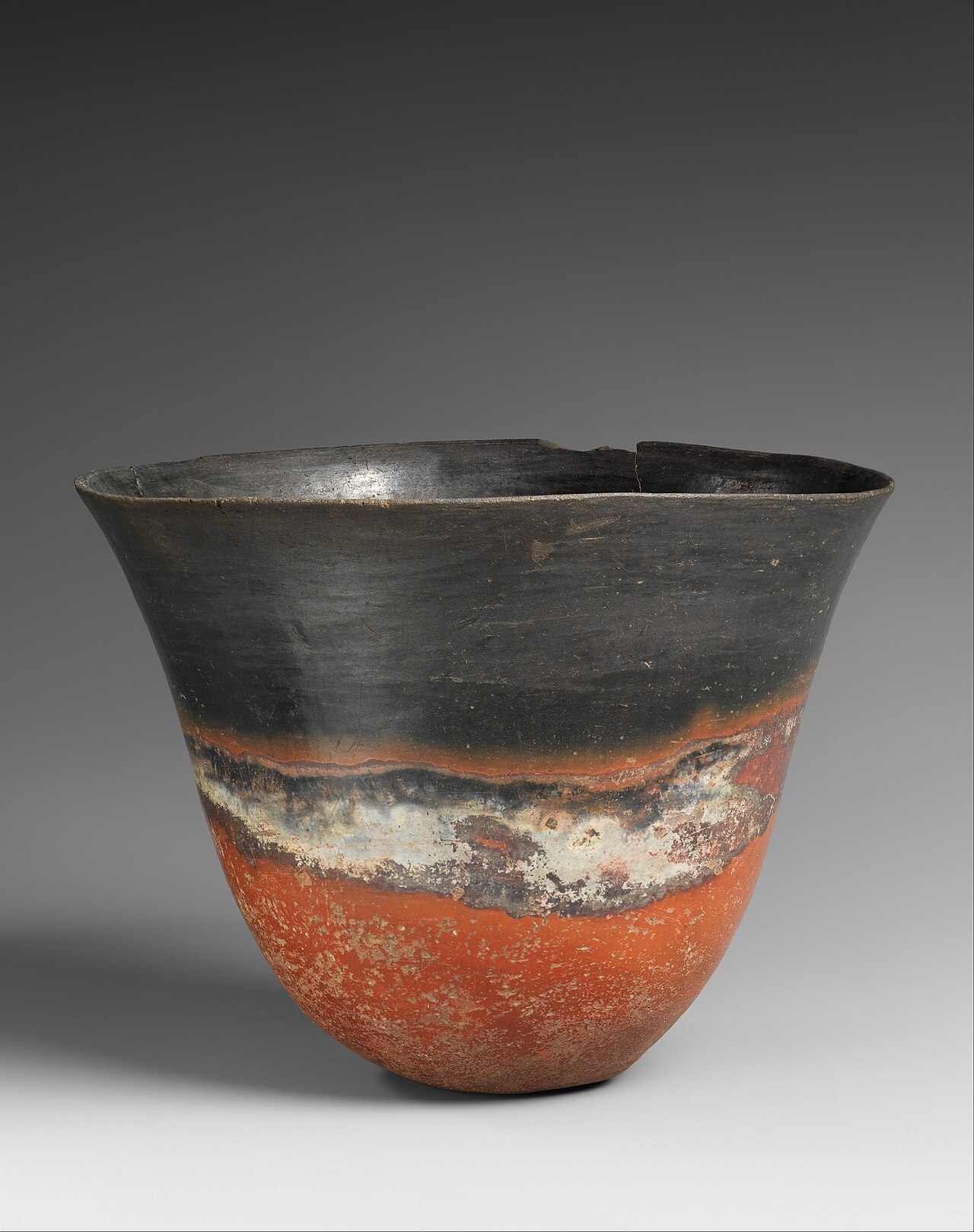
Kerma's material culture testifies to a society with its own creative identity, set apart from the Egyptian traditions that bordered it. Local artisans developed independent techniques for producing blue faience in large quantities, and they excelled in glazed quartzite work and architectural inlays—accomplishments achieved without borrowing Egyptian methods. On the spiritual front, scholars have identified an animistic religious tradition in pre-New Kingdom Kerma, standing in contrast to the polytheistic frameworks of the later Napatan and Meroitic eras. Animals rendered during the Classical Kerma period lack the anthropomorphic traits typical of their Egyptian counterparts, and sacred landscapes like Jebel Barkal were approached in an animistic manner. The cultural exchange proved bidirectional: after the New Kingdom Egyptian takeover of Upper Nubia, anthropomorphic deities rose to prominence at Kerma, yet the Egyptians themselves adopted the indigenous practice of treating Jebel Barkal as a sacred site. Ideas flowed in both directions, positioning Kerma as an active participant in a wider Nile Valley dialogue rather than a passive recipient of foreign influence.
Rediscovery and the Rewriting of History
The archaeological narrative of Kerma is as dramatic as the city itself. In the early twentieth century, George Reisner, an American scholar holding joint positions at Harvard and the Museum of Fine Arts in Boston, directed the landmark Harvard-Boston expedition across three field seasons from 1913 to 1916. His careful excavation methods and thorough site reports established the foundational chronology that would underpin all later research in the region. Yet Reisner read the evidence through an Egyptian framework: he interpreted the Lower Deffufa's base dimensions of 52.3 by 26.7 meters, equivalent to 150 by 100 Egyptian cubits, as evidence of a fort, and he classified the large quadrangular structures as funerary chapels attached to mound graves. Most consequentially, he concluded that Kerma was simply a satellite of ancient Egypt. It was not until the late twentieth century that Charles Bonnet and the University of Geneva undertook excavations that dismantled this assumption entirely. Their painstaking work uncovered the foundations of numerous houses, workshops, and palatial buildings, confirming that Kerma was in fact a vast independent urban complex that had governed most of the Third Cataract for centuries.
Gallery
More in Ancient Cities 1-24
Spotted an error? Know more?
This is a living reference — every entry is fact-audited, and reader corrections feed straight into our audit queue. Suggest an edit · See this site's audit record