
Nick Bonino
Center who helped Penguins win back-to-back Stanley Cups.

Joe Ngo · CC BY 2.0
Nick Bonino is an American former professional ice hockey player who played as a center for 15 seasons in the National Hockey League (NHL). He is best known for his tenure with the Anaheim Ducks, where he began his professional career, and for his significant role with the Pittsburgh Penguins, where he helped the team become the first back-to-back Stanley Cup champions of the salary cap era.
Quick Facts
- Birth Date
- 1988-04-20
- Birth Place
- Newington, Connecticut, U.S.
- Height Ft
- 6
- Height In
- 1
- Weight Lb
- 195
- Position
- Center
- Shoots
- Left
- Played For
- Anaheim Ducks / Vancouver Canucks / Pittsburgh Penguins / Nashville Predators / Minnesota Wild / San Jose Sharks / New York Rangers / HK Olimpija
- Ntl Team
- USA
- Draft
- 173rd overall
- Draft Year
- 2007
- Draft Team
- San Jose Sharks
Facts from the source article.
Lore & Background
Bonino played three seasons with the Boston University Terriers before turning professional. He was drafted by the San Jose Sharks in 2007, but his playing rights were traded to the Anaheim Ducks before he could sign or play for them. He spent the majority of five years within the Ducks system, including a stint with HC Neumarkt-Egna during the 2012–13 NHL lockout, before being traded to the Vancouver Canucks. His tenure with the Canucks spanned one season before he was traded to the Pittsburgh Penguins.
With the Penguins, Bonino became a significant member of the team and played a huge factor in their 2016 Stanley Cup championship. During the 2016 Stanley Cup playoffs, he led the team in assists. Along with his linemates Phil Kessel and Carl Hagelin, the trio was nicknamed the HBK line and noted for their strong play during the playoffs. Bonino also represented the United States three times, winning a bronze medal twice.
Reader's Guide
Nick Bonino's career is notable for his journey from a sixth-round draft pick to a key contributor on a Stanley Cup-winning team. After being drafted by the San Jose Sharks, his rights were traded to the Anaheim Ducks, where he began his NHL career. He spent five years within the Ducks organization, including time during the lockout in the ICE Hockey League, before being traded to Vancouver and then to Pittsburgh. His most significant impact came with the Pittsburgh Penguins, where his play in the 2016 playoffs—leading the team in assists—was a major factor in their championship. As part of the HBK line with Phil Kessel and Carl Hagelin, he helped the Penguins become the first back-to-back Stanley Cup champions of the salary cap era. Bonino's career also included stints with the Nashville Predators, Minnesota Wild, San Jose Sharks, and New York Rangers, as well as one season in the ICE Hockey League for HK Olimpija. He represented the United States internationally three times, winning bronze medals twice.
Did You Know?
- Bonino was drafted in the sixth round, 173rd overall, by the San Jose Sharks in 2007 but was traded to the Anaheim Ducks before playing for them.
- He led the Pittsburgh Penguins in assists during the 2016 Stanley Cup playoffs.
- His linemates Phil Kessel and Carl Hagelin formed the HBK line, noted for strong playoff play.
- Bonino scored the game-tying goal with 17.4 seconds left in the third period to force overtime in the 2009 NCAA National Championship game.
A Wandering Career Across the League
Bonino's professional journey spanned 15 NHL seasons and one in the ICE Hockey League, touching seven different franchises. After being drafted 173rd overall by San Jose in 2007, his rights were immediately dealt to Anaheim before he ever suited up for the Sharks. He spent five years in the Ducks organization, including a stint with HC Neumarkt-Egna during the 2012-13 lockout, before moving to Vancouver for a single season. From there, his path led through Pittsburgh, Nashville, Minnesota, San Jose, and New York, with a final chapter at HK Olimpija in the ICEHL. This itinerant career made him a familiar face across the league, a center who adapted to different systems and rosters over more than a decade and a half of professional play.
The HBK Line and Back-to-Back Cups
Bonino's most defining chapter came in Pittsburgh, where he became a key contributor to the Penguins' historic back-to-back Stanley Cup titles—the first achieved in the salary cap era. During the 2016 playoffs, he led the entire team in assists, cementing his value well beyond that of a typical depth player. He shared the ice with Phil Kessel and Carl Hagelin, and the trio earned the nickname "HBK line" for their explosive playoff performances. Their chemistry and combined offensive output were a significant factor in Pittsburgh's championship run. Bonino's role as a playmaking center alongside two of the league's most talented wingers made him a critical piece of a roster that dominated two consecutive postseasons. His international career saw him represent the United States three times, winning a bronze medal on two occasions.
From Newington to the Prep Circuit
Born on April 20, 1988, in Newington, Connecticut, to Joanne, a speech therapist, and Steven, who works for BellSimons, an air conditioning supplier, Bonino's hockey roots ran deep in the state. As a youth, he played for the Connecticut Clippers Peewee Minor team, helping them capture the 2002 Atlantic Youth Hockey League playoffs and finishing with their all-time records in goals, assists, and points. At Farmington High School, he led the program to its first state championship, including a three-goal performance in the NHC Tournament final and a hat-trick to reach the CIAC Division II finals. After posting a state single-season record 68 goals, he transferred to Avon Old Farms, where he captained the team to the 2007 New England Prep championship and scored the game-winning goal with 12:28 remaining in the second overtime. He also played alongside brothers Tom and Cam Atkinson in the Avon Old Farms Christmas Hockey Classic victory over Frederick Gunn School.
Breakout at Boston University
Bonino's three seasons with the Boston University Terriers, from 2007 to 2010, transformed him from a late-round draft pick into a nationally recognized offensive threat. His sophomore campaign was particularly electric: he and Colin Wilson tied for the Hockey East scoring lead early in the year, and Bonino earned the 2009 Beanpot MVP after erasing a deficit against Harvard and recording three shorthanded goals against Northeastern. In March, he became the first Terrier in nearly eleven seasons to post a five-point game, contributing to an 8-2 rout of Providence. He finished that season with 18 goals and 32 assists for 50 points, helping BU to an 18-5-4 conference record and a berth in the 2009 NCAA National Championship. His freshman year, while more modest at 29 points in 39 games, included a Hockey East Rookie of the Week honor and a game-winning goal against UMass Lowell.
Gallery
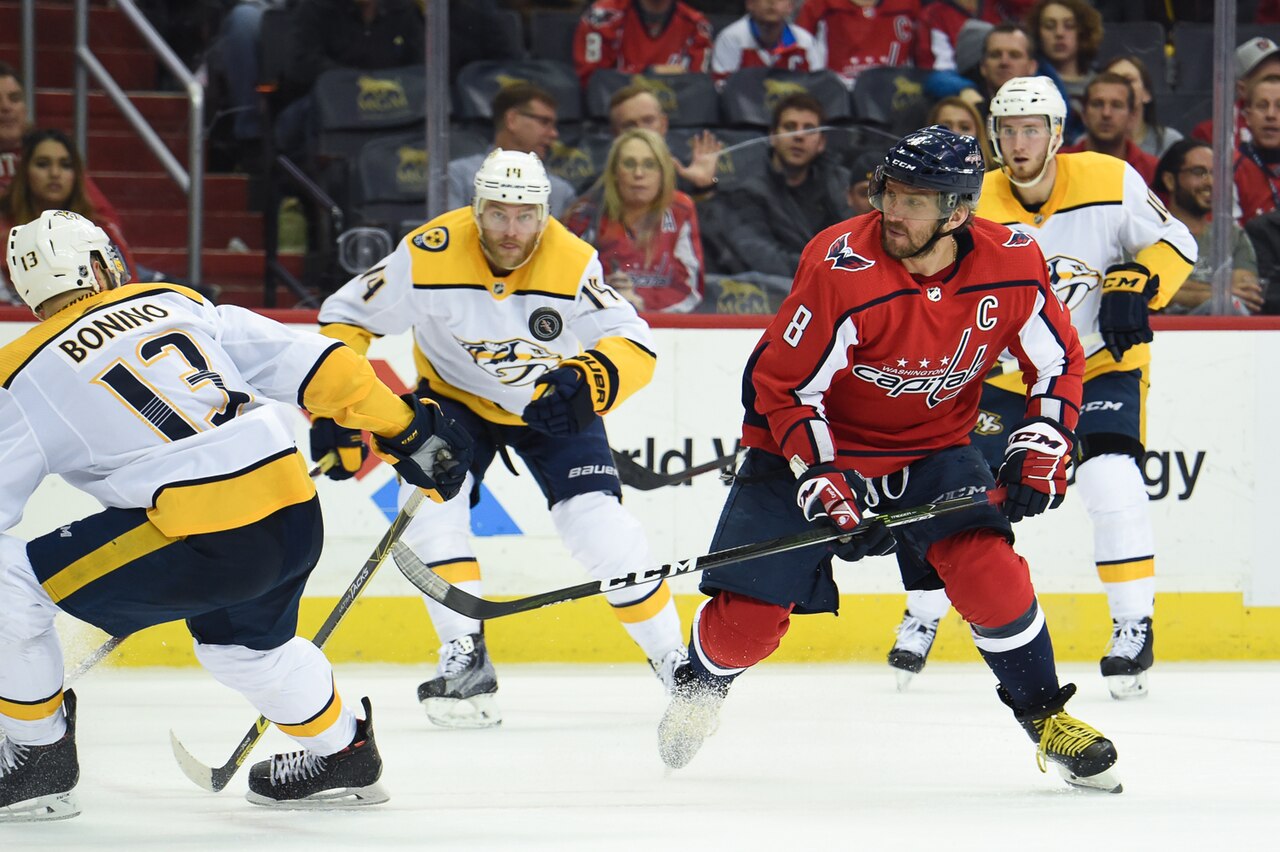
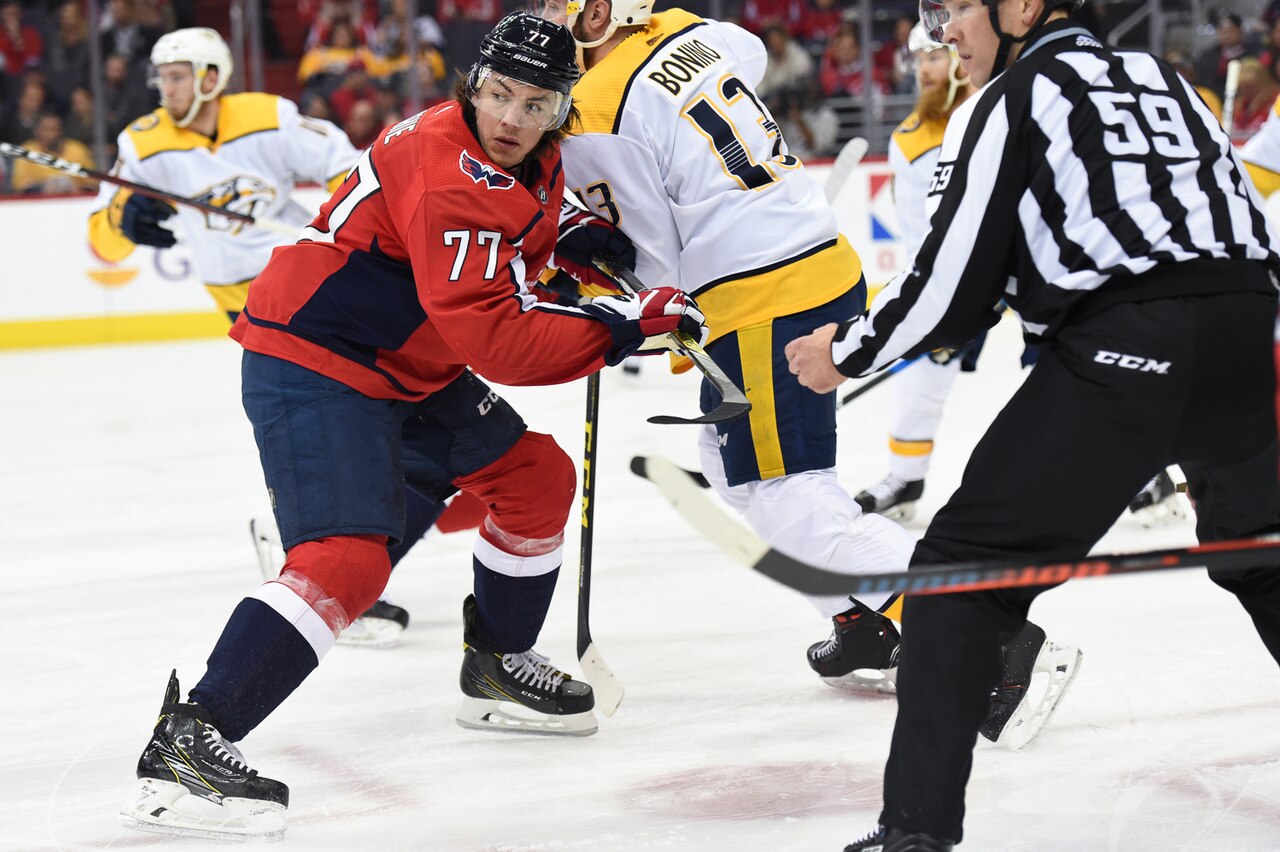
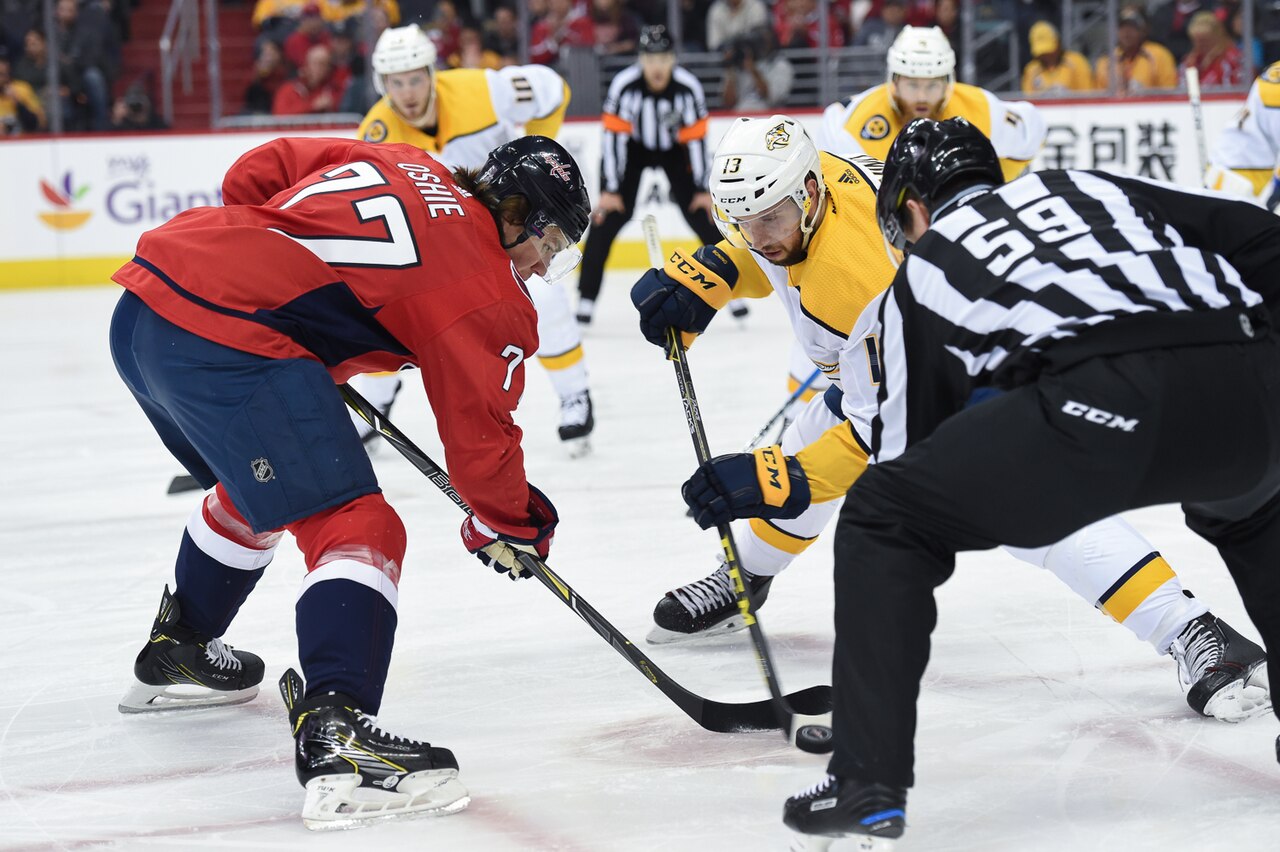
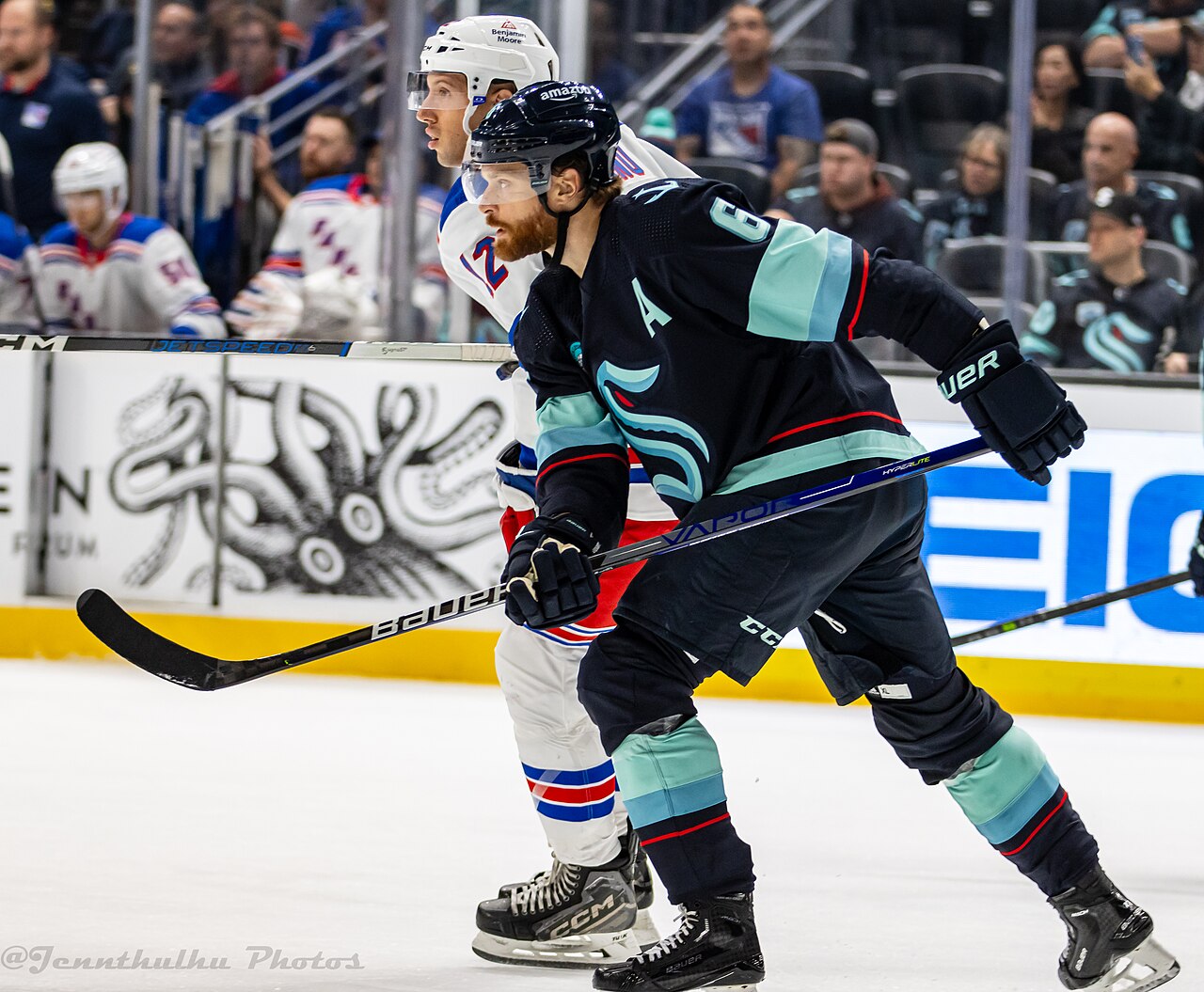
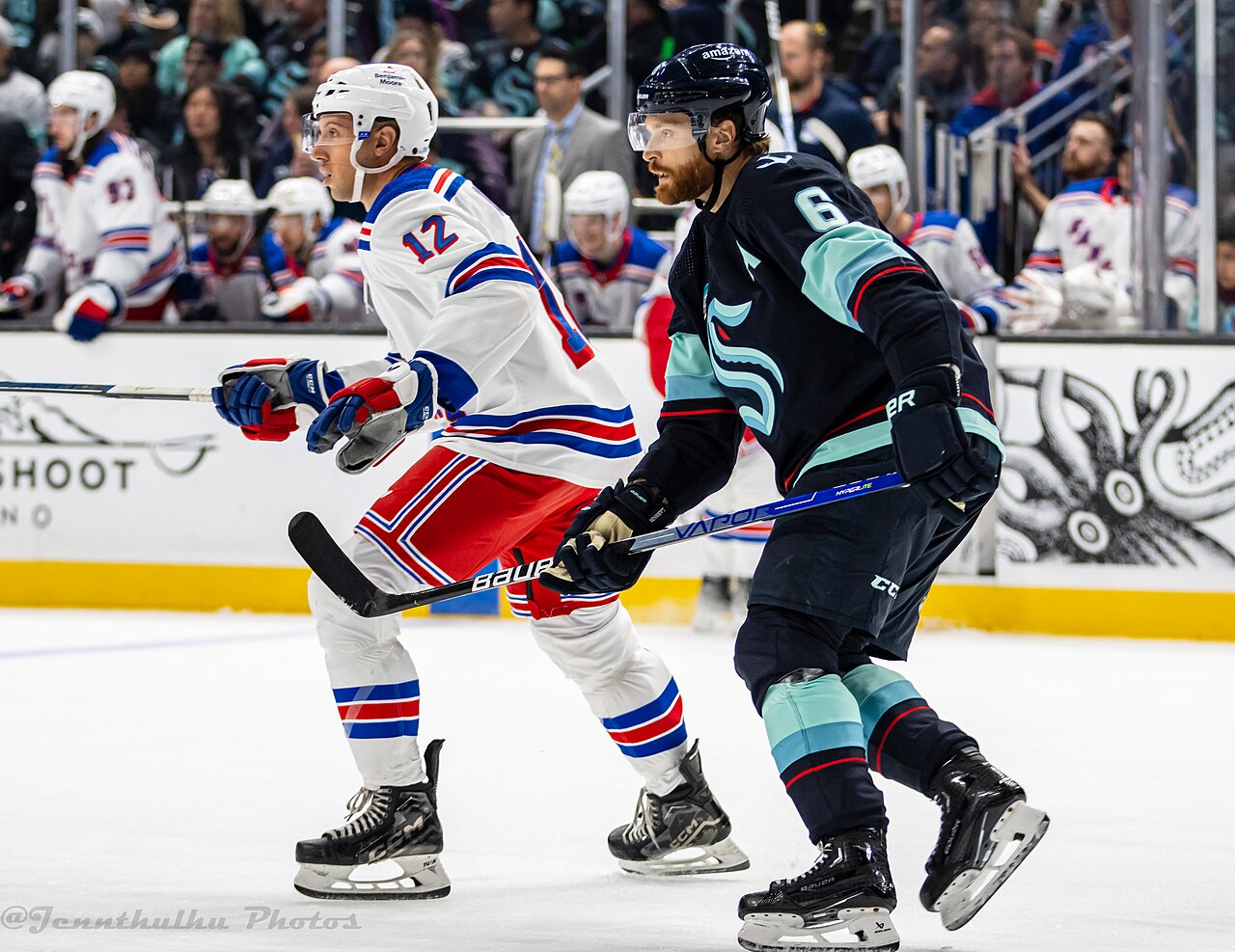
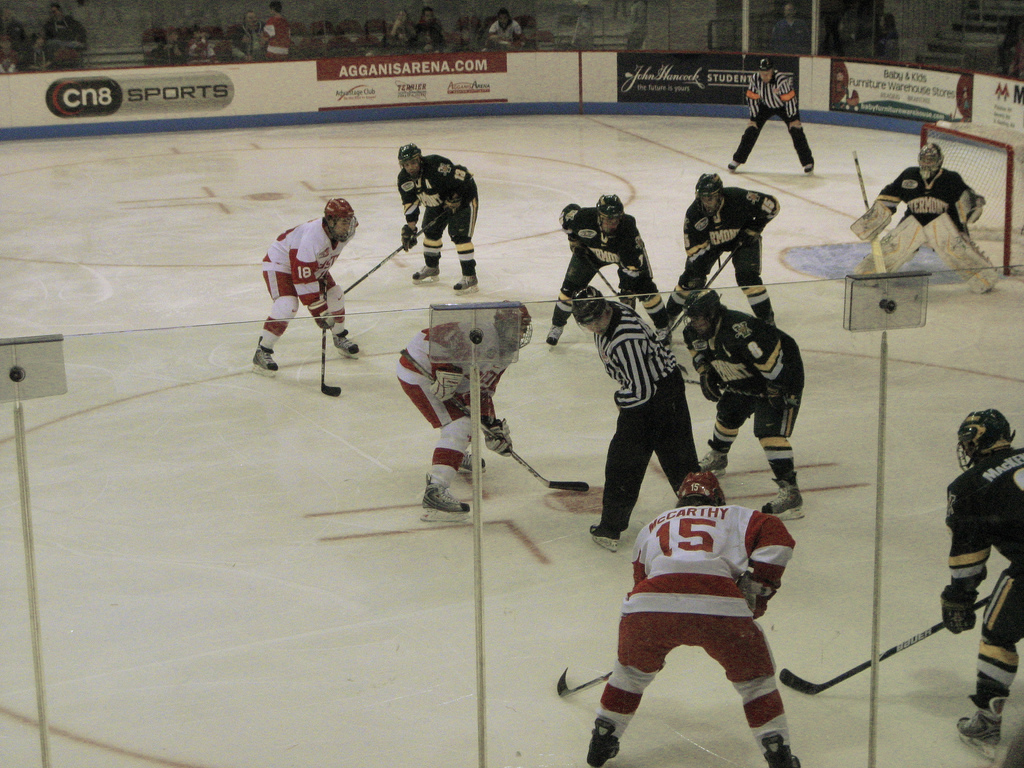
Frequently Asked Questions
Who is Nick Bonino?
Nick Bonino is an American former NHL center born on April 20, 1988, in Newington, Connecticut. He spent 15 seasons in the league, launching his pro career with the Anaheim Ducks and later winning two Stanley Cups with Pittsburgh.
What position did Nick Bonino play and what was his role?
Bonino played center for his entire NHL career, functioning as a two-way player who could generate offense while also carrying defensive workload. Teams valued him as a reliable depth forward who could slot into multiple lines.
How did Nick Bonino enter the NHL?
The San Jose Sharks selected him 173rd overall in the sixth round of the 2007 Entry Draft. After finishing his collegiate career at Boston University in 2010, he broke into the pros with the Anaheim Ducks.
What are Nick Bonino's biggest career accomplishments?
He was part of the Pittsburgh Penguins squads that captured back-to-back Stanley Cup titles in 2016 and 2017, making the franchise the first to win consecutive championships under the salary cap era. That stretch remains the highlight of his 15-season career.
Why do Ducks fans remember Nick Bonino?
As a player who began his professional journey in Anaheim, he became a familiar face for Ducks supporters over several seasons. His eventual rise to a two-time Stanley Cup winner with another club gave Anaheim fans a long, satisfying arc to track across the league.
More in Anaheim Ducks Players 1-24
Spotted an error? Know more?
Reader corrections go straight into our review queue. Suggest an edit · How this site is sourced