Frequently Asked Questions
The most-asked questions about american cuisine.
What exactly is American cuisine as a distinct culinary tradition?
American cuisine is not a single recipe book but a layered, constantly evolving food culture built from Indigenous ingredients, European colonial cooking, African culinary traditions, and waves of immigrant influence. It is defined less by one set of rules than by regional variation, abundance, and a willingness to remix borrowed techniques into something locally recognizable.
Who are the key figures most associated with shaping modern American food?
James Beard is widely regarded as the godfather of American food writing, while chefs like Julia Child (who made French technique accessible to home cooks), Alice Waters (who championed California farm-to-table cooking), and Grant Achatz (who pushed avant-garde techniques in Chicago) each marked turning points. More recently, figures like Mashama Bailey and Roy Choi have highlighted how Black, Korean, and working-class food traditions sit at the center of the national narrative.
What are the foundational dishes a newcomer should know first?
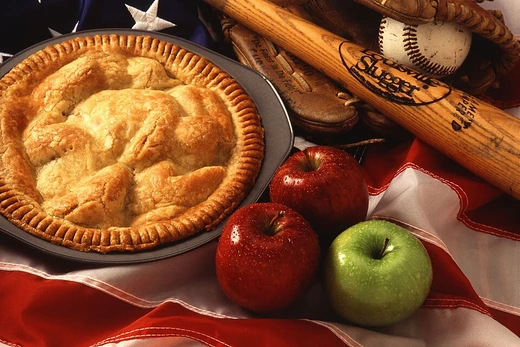
Start with the unglamorous staples that appear across the country: a proper hamburger, Southern fried chicken, New England clam chowder, Texas-style brisket, and a classic apple pie. These five dishes alone touch on barbecue, frying, seafood, and dessert traditions that underpin most regional cooking.
How did immigration reshape the American food landscape?
Nearly every major American dish category traces back to a migration wave—Italian pasta and pizza, Mexican tacos and enchiladas, Chinese stir-fry, and Ethiopian injera all arrived through immigrant communities and were gradually absorbed into the mainstream. The result is a cuisine where a 'traditional' dish is often a second- or third-generation adaptation of a foreign original.
Why is regional diversity such a central theme in American food?
The country spans multiple climate zones, and historical settlement patterns meant each region developed around locally available proteins, grains, and produce. A plate from the Carolinas, New Mexico, and the Pacific Northwest can look almost like three different countries, which is why food writers routinely organize American cuisine by region rather than by a single national style.
What role does fast food play in the broader American food story?
Fast food is both a cultural export and a subject of ongoing debate, representing post-war car culture, standardization, and affordability. At the same time, it has sparked counter-movements—slow food, farmers' markets, and local-butcher revivals—that define much of contemporary American culinary discourse.
What is the farm-to-table movement and why is it considered a defining moment?
Pioneered in the 1970s by chefs like Alice Waters at Chez Panisse in Berkeley, farm-to-table cooking emphasizes hyper-local, seasonal ingredients sourced directly from small growers. It shifted the national conversation from 'what can we import or freeze' to 'what is our land producing right now,' and it reshaped restaurant menus, grocery stores, and home cooking habits across the country.
What are some iconic dining moments or venues that fans often cite?
The 1976 opening of Chez Panisse is frequently called the birth of a new American restaurant ethos, while the 1995 launch of the Food Network turned home cooking into a mass-media spectacle. On the street-food side, the rise of Koreatown taco trucks in Los Angeles during the 2000s is often cited as the moment working-class fusion food entered the national conversation.
How does American cuisine differ from traditions like French or Japanese cooking?
American cooking tends to prioritize bold, layered flavors and generous portions over the strict technique-hierarchy or seasonal minimalism found in French and Japanese kitchens. It also embraces cross-border fusion far more openly, so a single meal might combine a Mexican tortilla, a Korean gochujang glaze, and a Southern buttermilk marinade without contradiction.
Where should a curious newcomer begin exploring American food?
A practical starting point is to pick one region and follow its signature dish backward through its history—say, trace a slice of New York pizza to its Italian roots, then forward to its modern variations. Pair that reading with a visit to a local farmers' market or a neighborhood barbecue joint, because much of American cuisine is best understood by tasting it in the context of the community that made it.