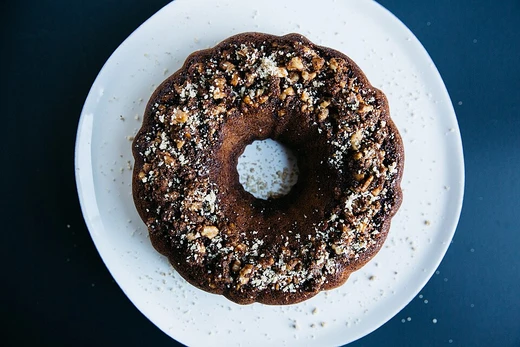
Lady Baltimore cake
A disputed Southern layer cake with fruit and nut filling.
This American white layer cake features fluffy frosting and a fruit and nut filling. While widely thought to have originated in the early 20th century American South, its precise beginnings remain unclear.
Quick Facts
- Country
- United States
- Region
- American South
- Course
- Dessert
- Main ingredients
- Sponge cake
- meringue
- raisins
- figs
- cherries
- walnuts
- pecans
- Variations
- Lord Baltimore cake
Facts from the source article.
Did You Know?
- The first printings of the recipe appeared in newspapers including Harrisburg's Daily Gazette and Bulletin, The Columbus Journal, and The Washington Times in 1906.
- Modern versions may use meringue, boiled, or seven-minute frosting, and may include rum or liqueurs in the filling.
- A version called Lord Baltimore cake is made with leftover egg yolks instead of whites.
History
The most popular legend holds that Southern belle Alicia Rhett Mayberry baked and served the cake to novelist Owen Wister in Charleston, South Carolina. Wister was said to have been so taken with it that he used its name for his novel Lady Baltimore, which includes a description of the cake. Food historians suggest the cake may have actually originated with Florence and Nina Ottolengui, longtime managers of Charleston's Lady Baltimore Tea Room, who developed it from a version of the common Queen cake.
The Ottolenguis reportedly baked and shipped a cake annually to Owen Wister as thanks for making their creation famous, and at Christmastime they shipped hundreds of cakes across the country. The cake is currently made by Charleston's Sugar Bakeshop. The first recorded mentions of a cake called "Lady Baltimore" began appearing in 1906, with newspaper articles referring to it as the "famous" or "original" cake.
Frequently Asked Questions
Where does Lady Baltimore cake come from?
Lady Baltimore cake originates from United States.
What is Lady Baltimore cake made from?
The main ingredients of Lady Baltimore cake are Sponge cake, meringue, raisins, figs, cherries, walnuts and pecans.
When is Lady Baltimore cake served?
Lady Baltimore cake is served as Dessert.
More in American Cakes
Spotted an error? Know more?
Reader corrections go straight into our review queue. Suggest an edit · How this site is sourced