Frequently Asked Questions
The most-asked questions about american black metal musical groups.
What is American black metal?
American black metal is a regional branch of the broader black metal genre that took root in the United States, blending the shrieked vocals, tremolo-picked guitars, and dark atmosphere of European black metal with the aggression and DIY ethos of American hardcore and industrial. It is typically defined by intentionally raw, lo-fi production and a tendency toward heavier, more visceral riffing than many of its European counterparts.
How does American black metal differ from the Norwegian or Finnish scenes?
Where Norwegian black metal is often associated with a cold, 'frostbitten' aesthetic and Finnish black metal leans into melodic, nature-inspired songwriting, American black metal tends to be grittier and more genre-hybrid, frequently folding in doom, post-metal, thrash, or industrial elements. Production is usually even more lo-fi and less polished, and the lyrical and visual themes draw more on American gothic and occult imagery than on Norse mythology.
Where should a newcomer start listening?
A good entry point is the late-1980s and early-1990s catalog, when the first wave of American black metal was establishing its raw, unrefined sound. From there, fans often branch into the more atmospheric and experimental subgenres that emerged in the 2000s and 2010s to hear how the style has evolved.
What are the defining sonic characteristics of the genre?
Expect heavily distorted, tremolo-picked guitar walls, blast-beat or double-kick drumming, and vocals that range from high-pitched shrieks to deep guttural growls. The production is deliberately rough and unpolished, with a harsh, lo-fi texture that is treated as an artistic choice rather than a budget limitation.
What subgenres or sub-styles exist within American black metal?
The scene spans raw/lo-fi black metal, atmospheric black metal, blackened doom, blackened thrash, and a variety of hybrid styles that merge black metal with post-metal, industrial, or even folk elements. Boundaries between these are often fluid, and many bands shift between styles across albums.
What role do independent labels play in the scene?
American black metal is overwhelmingly an independent and DIY scene, sustained by small regional labels, tape-trading networks, and self-released material. This grassroots infrastructure gives the genre its raw identity and keeps it largely outside the orbit of major-label machinery.
What are some pivotal moments in the genre's history?
The first wave emerged in the late 1980s and early 1990s as American musicians absorbed and reinterpreted European black metal pioneers through a local lens. The 2000s and 2010s saw a notable resurgence, with new bands pushing the sound toward more experimental, atmospheric, and genre-blending territory while the internet made the geographically scattered scene far more interconnected.
Is the American black metal scene big or niche?
It remains a niche but deeply dedicated community, with active pockets in the Pacific Northwest, the Midwest, the East Coast, and other regions. Though it will never approach the mainstream visibility of heavy metal or rock, it sustains a loyal touring circuit, a vibrant online community, and a steady stream of new releases.
What kind of imagery and themes are common in the genre?
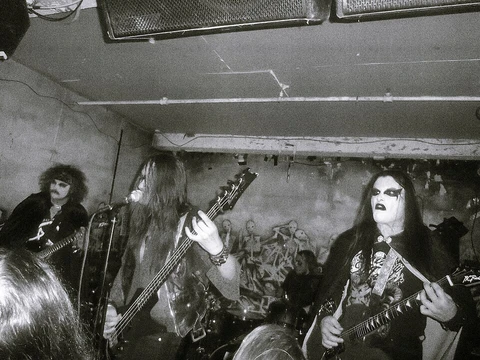
Lyrics and artwork frequently draw on American gothic literature, occult and satanic imagery, apocalyptic or anti-religious themes, and a general sense of bleak, isolated darkness. Unlike the Norse-pagan iconography common in Scandinavian black metal, American acts more often reference local folklore, Southern Gothic aesthetics, or outright nihilism.
What is the current state of American black metal?
The scene is active and continuing to evolve, with new bands emerging and pushing the sound in increasingly experimental directions. A strong DIY ethos persists, and digital distribution plus social media have made it easier for geographically isolated musicians to connect, tour, and release music than at any prior point in the genre's history.